
24/7 Customer Support

Free returns

Same-day & Next-day Delivery

Quality Guaranteed

Unlock Your Welcome Offers: FREE Delivery | Up to 80% OFF | Free 30-day JoyPlus trial
Download the APP
A bottle of salad dressing can simplify weekday meals, but attractive packaging does not always tell you how a product will perform in your kitchen. Some dressings separate quickly, others contain more oil, sugar or salt than expected, and a sauce marketed for salads may be better suited to dipping or marinades.
This guide explains what to check before buying salad dressing, from ingredient balance and allergen information to storage and practical versatility. It also highlights suitable options for different UK households, including vegan shoppers, Asian cuisine enthusiasts and cooks looking for one bottle to cover several meals.
“Light” can refer to a comparison with another product rather than a low-calorie formula. For example, Pizza Express House Light Dressing states that it contains at least 30% less fat than its House dressing, yet its listed nutrition is 300 kcal and 30g of fat per 100ml. Always compare the nutrition panel and serving size rather than relying on front-of-pack wording.
A dressing can taste tangy, sweet or savoury while still containing notable levels of salt or sugar. This is particularly relevant to soy-based products and balsamic glaze. Songxianxian Mstsutake Vinaigrette lists 8.2g of salt per 100g, while Obento Ponzu Sauce lists 8g of salt per 100ml. These products may add plenty of flavour in small quantities, but checking the label helps you use them appropriately.
A creamy lemon dressing, classic vinaigrette and Japanese ponzu sauce have different uses. Some are suitable for leafy salads, while others work better with cold noodles, tofu, grilled vegetables or seafood. Consider how often you will use the bottle and whether you need a salad dressing, dipping sauce, marinade or cooking enhancer.
A traditional vinaigrette dressing generally combines oil with vinegar or another acidic ingredient. Look for a balance that suits your taste: white wine vinegar can be sharp and clean, red wine vinegar adds a fuller note, while citrus-based dressings bring a brighter flavour.
Thicker products such as balsamic glaze usually contain concentrated grape must, sugar or syrup and are designed for drizzling rather than coating a large bowl of leaves. A creamy lemon dressing may be more suitable for vegetable salads, fruit salads and fried-food dipping.
Natural separation is not necessarily a fault. Oil and vinegar-based products may separate during storage, so a clear “shake before use” instruction is useful. A bottle with a practical cap or pourer can also reduce waste and make portioning easier.
Compare like with like. Salad dressings are usually listed per 100ml, while some thicker sauces use 100g. Check:
Nutrition information does not determine whether a dressing is suitable for you, but it gives a more reliable basis for comparison than terms such as “fresh”, “premium” or “balanced”.
Under UK food labelling rules, priority allergens should be clearly identified on packaging. Common examples in this category include mustard, celery, soybeans, wheat, sesame, eggs and sulphites. Always read the current label before purchase, particularly if you have an allergy, as formulations can change.
Vegetarians and vegans should also check the suitability statement. Newman's Own Italian Dressing is listed as suitable for vegans and vegetarians, while Pizza Express House Light Dressing contains egg and mustard.
Storage instructions matter for avoiding waste. Several opened bottles require refrigeration and use within a stated period, such as four to six weeks. Others may need to be refrigerated immediately after opening. Follow the packaging guidance and avoid using any product if the bottle is damaged, leaking or showing signs of tampering.
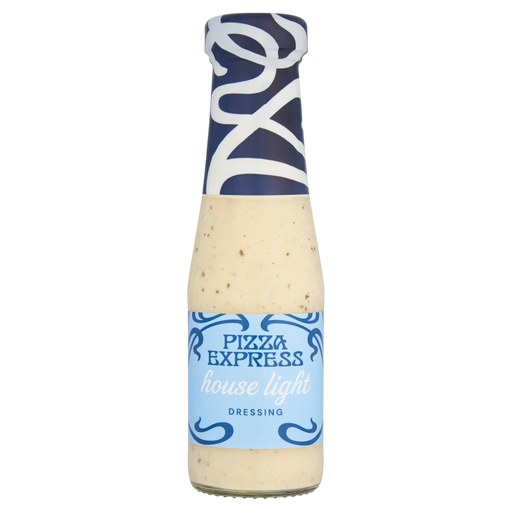
Why This Fits Their Persona: A familiar-style dressing for households wanting a ready-to-use option for salads, without buying several separate bottles for everyday meals.
Its stated reduced-fat comparison is accompanied by full nutrition and ingredient information, helping shoppers assess the product beyond the front label.
Suitable for vegetarians; includes white wine vinegar, rapeseed oil, parsley and oregano.
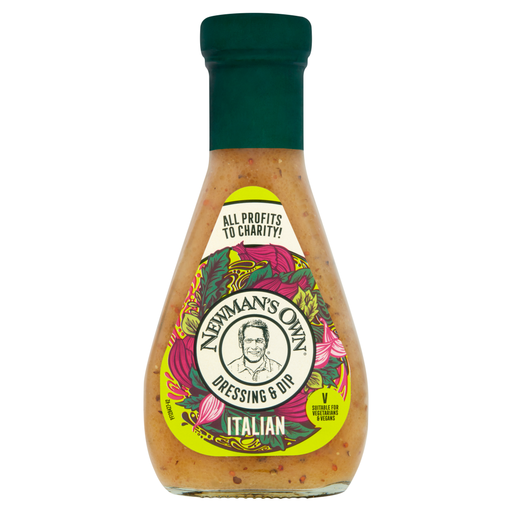
Why This Fits Their Persona: A vegan-friendly Italian dressing for cooks who want an herbaceous, tangy profile across salads, pasta, grilled vegetables and marinades.
The label identifies mustard and celery allergens and gives a four-week refrigerated-use instruction after opening.
Suitable for vegans and vegetarians; contains red wine vinegar, olive oil, lemon juice and herbs.
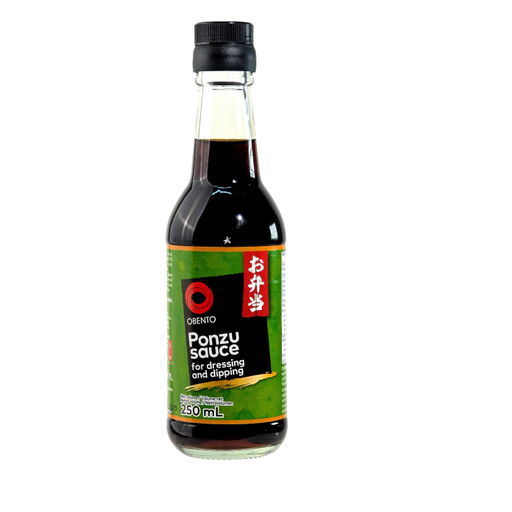
Why This Fits Their Persona: Designed for Japanese-inspired meals, it can be used as a Japanese ponzu sauce, dipping sauce, marinade or dressing for greens, cabbage and cold noodles.
Its usage guidance covers dilution, dipping and marinating, making its role clearer than a dressing intended only for leafy salads.
Citrus-infused soy sauce profile; suitable for tofu, seafood, grilled meats and cold dishes.
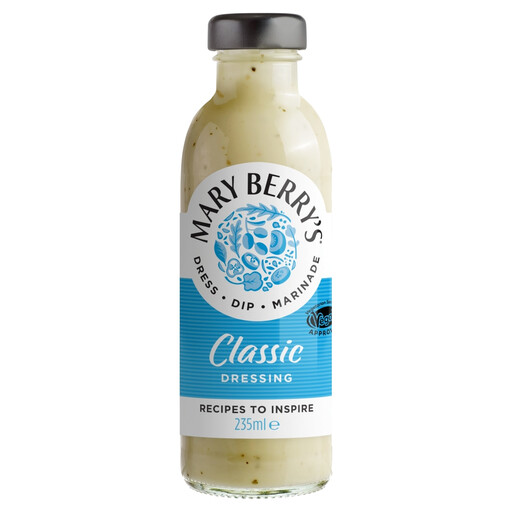
Why This Fits Their Persona: A straightforward vegan-friendly vinaigrette for salads, roasted vegetables, pasta dishes and simple marinades.
The ingredient list identifies mustard clearly and states that the formula is free from artificial colours, flavours and preservatives.
Contains rapeseed oil and white wine vinegar; shake-before-use instructions support consistent texture.
We have compiled a complete, real-time list of products that fully satisfy these strict selection criteria and UK safety regulations.
A versatile bottle can support several meals:
It depends on the product. Many ready-made dressings require refrigeration after opening and should be used within four weeks, while some specify up to six weeks or two months. Check the bottle each time and follow its storage instructions rather than relying on a general rule.
Many oil-and-vinegar dressings, creamy products and soy-based sauces should be refrigerated after opening. Unopened storage varies, so keep the bottle in a cool, dry place when directed and refrigerate promptly once opened.
Homemade vinaigrette can be economical if you already have oil, vinegar and seasonings. Ready-made salad dressing costs more per serving in some cases, but it saves preparation time and offers consistent flavour. Compare bottle size, serving quantity and how many uses the product can cover before deciding.