
24/7 Customer Support

Free returns

Same-day & Next-day Delivery

Quality Guaranteed

Unlock Your Welcome Offers: FREE Delivery | Up to 80% OFF | Free 30-day JoyPlus trial
Download the APP
A ready-to-use salad dressing can make weekday meals easier, but the wrong bottle may sit unused in the fridge. UK shoppers often compare flavour names and attractive packaging without checking the details that affect everyday use.
Three common buying traps are worth avoiding:
The practical approach is to match the dressing’s ingredients, storage instructions and intended uses with the meals you actually prepare.
Start with the main flavour balance rather than the front-of-pack description.
Consider whether you prefer a pourable dressing, a creamy coating or a thicker finishing glaze. A balsamic glaze, for instance, is more suitable for drizzling over pizza, grilled meat, fruit or ice cream than for evenly coating a large bowl of lettuce.
Read the full label, especially if you are buying for several people. UK food labels should identify relevant allergens, but recipes can change, so check the packaging each time you purchase.
Important examples among these products include:
If you need a vegan salad dressing, check the current product label rather than relying solely on the word “vinaigrette”. Newman's Own Italian Dressing is listed as suitable for vegans and vegetarians, while some creamy or house-style dressings contain egg.
Compare nutrition per 100 ml, then consider your usual serving size. Oil-based dressings can be energy-dense, while soy-based products may contain more salt. Obento Ponzu Sauce lists 8 g of salt per 100 ml, and Daisho Yuzu Dressing lists 8.5 g per 100 ml, so both are better treated as strongly flavoured additions rather than poured freely.
Bottle size also matters:
After opening, many products need refrigeration. Several listed dressings specify use within one month, four weeks or six weeks, while Yaomazi Cold Dish Dressing advises consuming immediately after opening. Follow the product label and keep the cap clean and tightly closed.
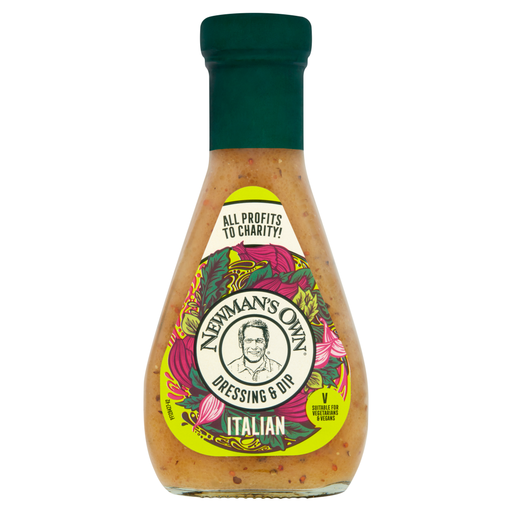
Why This Fits Their Persona: A familiar Italian-style starting point for salads, pasta, grilled vegetables and marinades in a compact 250 g bottle.
Its ingredient list clearly shows the vinegar, oils, lemon, garlic and seasonings, making the flavour easier to assess before purchase.
Suitable for vegans and vegetarians; contains red wine vinegar and olive oil; refrigerate after opening and use within four weeks.
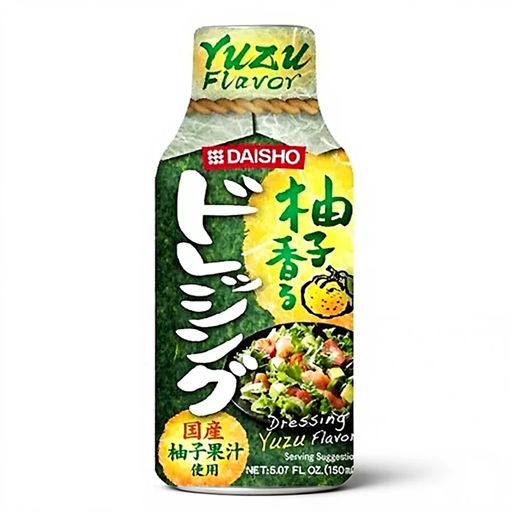
Why This Fits Their Persona: Suitable for shoppers seeking a distinct Japanese citrus flavour for salads, seafood and Japanese-inspired meals.
The label identifies yuzu juice, soy sauce, vinegar and sesame oil, while also clearly listing wheat, soy and sesame allergens.
150 ml size limits commitment to a specialist flavour; refrigerate after opening and consume within one month.
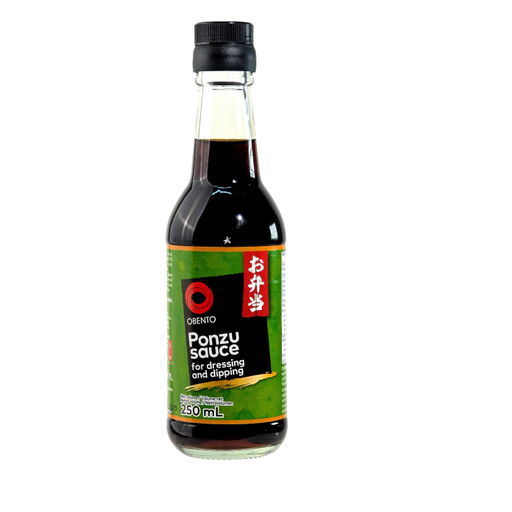
Why This Fits Their Persona: A multi-purpose ponzu sauce for dipping, cold noodles, salads, tofu, seafood, grilled meat and marinades.
Its usage guidance explains that it can be diluted with water or mirin, helping adjust the intensity instead of using one fixed strength.
Combines soy sauce with citrus and vinegar; the 250 ml bottle suits repeated use, though its listed salt content is 8 g per 100 ml.
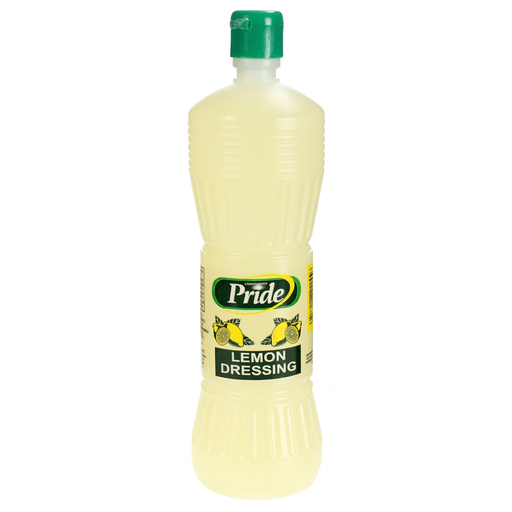
Why This Fits Their Persona: The larger bottle is practical for regular salads, fruit salads, fried-food dipping and quick cooking applications.
The stated lemon juice quantity is 5%, allowing shoppers to set realistic expectations about the citrus intensity.
Smooth, creamy texture; ready to use directly; listed as containing no added artificial colours and no trans fat.
We have compiled a complete, real-time list of products that fully satisfy these strict selection criteria and UK safety regulations.
There is no single lifespan for every bottle. Check the label first: some products specify four weeks, one month or six weeks in the fridge, while others advise immediate consumption. Store opened dressing as directed and discard it if the packaging is damaged or the product develops an unusual smell, appearance or texture.
Many oil-and-vinegar dressings recommend refrigeration after opening, even if they can be stored in a cool cupboard before opening. Soy-based ponzu sauce and Japanese dressings should also be refrigerated once opened. Always follow the storage instructions printed on the bottle.
Some can. Italian dressing is suitable for marinades for vegetables and other ingredients, while ponzu sauce is designed for dipping, noodles, tofu, seafood and grilled meat. A mushroom-infused vinaigrette can also be used as a marinade or dipping sauce. Check the product’s usage guidance and remember that a dressing with high salt or sugar may need dilution or careful portioning.