Start with the available under-counter space: measure its width, depth and height, then allow for the door to open and for the ventilation required by the manufacturer. A narrow compact fridge is worth considering when the gap rules out a wider model; if a wider larder fridge fits and salad leaves are the priority, compare its fresh-food space and produce drawer before choosing an ice-box model. Keep the fridge at 0°C to 5°C, as Which? advises, rather than relying on the drawer alone.
Who these fridges suit
Narrow-gap kitchen users
If the appliance opening is restricted, width, depth, door swing and ventilation space come before capacity. The cited models show why it is worth comparing actual dimensions rather than treating every under-counter fridge as the same size.
Salad-first fresh-food shoppers
If you buy leaves and other produce regularly, look for a drawer that accommodates your usual shop and enough chilled space for other groceries. Beko UK specifies a large salad crisper for the UL4584, while Bosch GB specifies a fruit-and-vegetable box for the KTR15NWEAG.
Compact-home mixed-storage shoppers
If one small appliance also needs to hold occasional frozen items, consider an ice-box fridge. Compare its fresh-food space and produce layout with a larder-only model before deciding whether the extra compartment serves your main need.
What matters when choosing
Check the installed footprint first, then decide whether room for salad and other fresh food or occasional frozen storage takes priority.
| Concern |
What to check |
Who this matters to |
| Physical fit |
Measure the opening and compare the fridge’s width, depth and height. Allow for door swing and the ventilation specified in its installation instructions. |
If a fridge cannot fit or open properly, its storage layout will not matter to me; around 46% of consumers put physical fit first. |
| Salad and fresh-food storage |
Compare the produce drawer, usable fresh-food capacity and shelf arrangement. Check the internal temperature against the 0°C to 5°C range advised by Which?. |
I buy leaves regularly and need space that keeps them separate from heavier groceries; roughly 36% of consumers make fresh-food storage their primary concern. |
| Occasional frozen storage |
Check whether the model has an ice box and whether its quoted capacity refers to the whole appliance or the fresh-food compartment. |
When I have no separate freezer, I may accept less chilled space to store a few frozen items; around 18% of consumers prioritise mixed fresh-and-frozen storage. |
Mistakes to avoid
-
Choosing capacity before measuring the gap
The cited under-counter models differ substantially in width and depth. A roomy fridge is of little use if its door cannot open or its installation clearances cannot be met.
Measure the opening, check the proposed door swing and follow the model’s ventilation instructions before shortlisting it.
-
Assuming a salad drawer controls the temperature
A drawer gives produce a separate place, but it does not establish the temperature inside the fridge. Which? advises keeping a fridge at 0°C to 5°C and notes that the selected setting may not produce the expected temperature.
Use the drawer for leaves and check the internal temperature with a fridge thermometer if you are unsure how the appliance is running.
-
Overlooking fresh-food space in an ice-box model
An ice box can meet an occasional frozen-storage need, but total appliance capacity does not tell you how much room remains for salad and other chilled groceries.
Compare the stated fresh-food volume and drawer layout with a larder-only fridge, particularly if produce is your main reason for buying.
-
Planning to reach the socket with an extension lead
Electrical Safety First advises placing a fridge near a wall socket and not using an extension lead; overloading one alongside other large appliances creates a fire risk.
Include socket position in your location check and follow the appliance’s installation instructions.
Brands and models to consider
These examples show different footprints and storage arrangements; the details apply to the named models, not every fridge made by each brand.
Beko
The UL4584 is a larder-fridge example for shoppers who can accommodate a 54 cm-wide appliance and mainly need chilled storage.
- Beko UK specifies a 128-litre fresh-food compartment, one large salad crisper, adjustable shelves and a reversible door for the UL4584.
- Its stated 54 cm width and 59 cm depth may rule it out of a narrower or shallower opening.
Bosch
The Series 2 KTR15NWEAG is a wider under-counter example with a dedicated fruit-and-vegetable box.
- Bosch GB specifies a 134-litre chill compartment, Multi Box, Super Cool function and door-open alarm for this model.
- At a stated 56 cm wide and 58 cm deep, it needs more room than the narrow compact examples; check current retailer availability before planning around it.
Fridgemaster
The MUR4894E is a compact option to consider when a standard-width under-counter larder fridge will not fit.
- The MUR4894E is listed at 47.5 cm wide and 45 cm deep, with an 82-litre capacity and salad crisper.
- Its stated capacity is smaller than the Beko UL4584 and Bosch KTR15NWEAG larder examples; compare the space left for your usual fresh-food shop.
TCL
The RF120DWE0 illustrates an ultra-slim fridge-and-ice-box layout for a shopper who also needs occasional frozen storage.
- Joybuy lists the RF120DWE0 at 44.9 cm wide, with adjustable shelves, an ice box and 90 litres of total capacity.
- The Joybuy listing marked this particular model as unavailable when checked; treat its specifications as a layout reference and check availability separately.
Joybuy product choices
These compact, under-counter and built-under choices address different ways of keeping salad leaves chilled. Compare their stated size and storage format with your measured space; a built-under model also needs a suitable furniture-door installation.
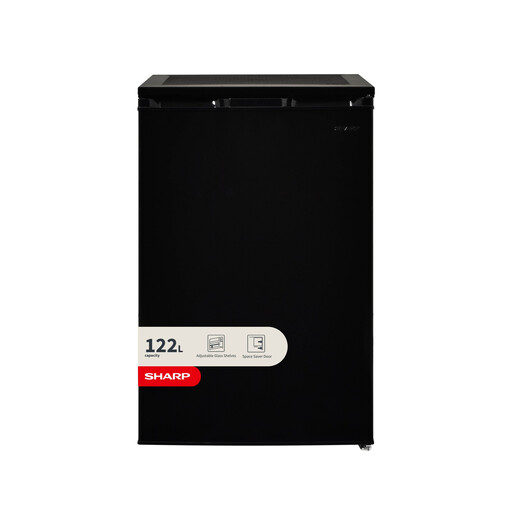 Image unavailable
Sharp SJ-UE121M4B-EN 54 cm under-counter refrigerator
Consider this model if you want space for salad leaves alongside occasional ice-box storage. Its stated width is 54 cm; check the full installed dimensions, door swing and ventilation requirements before choosing it.
View on Joybuy
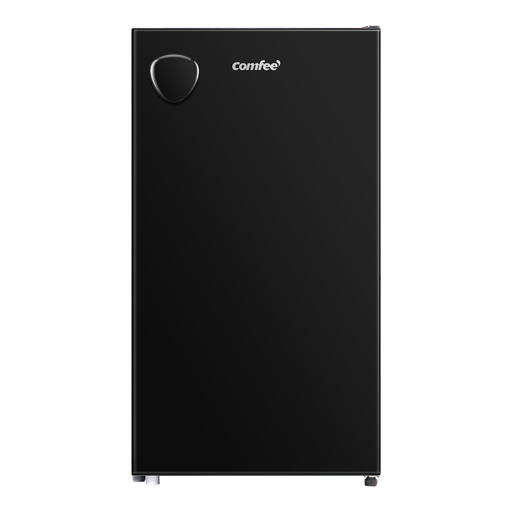 Image unavailable
COMFEE' RCD92BL2UKY(E) 88 L under-counter fridge
This is a compact option to assess if width is your main constraint and you still want a place for produce. The name states an 88 L capacity; compare its full dimensions and installation clearances with your gap. Do not use its cooler zone for longer-term food storage.
View on Joybuy
 Image unavailable
Hisense RL170D4BWE 55 cm under-counter larder fridge
Consider this larder format when chilled groceries and salad leaves matter more to you than an ice box. Its stated width is 55 cm; measure the opening and check door swing and ventilation before deciding whether it fits.
View on Joybuy
 Image unavailable
Bosch KUR21VFE0G Series 4 built-under fridge
This model is worth considering if you have cabinetry designed for a built-under fridge and want organised fresh-food storage. It is installed behind a furniture door, so confirm cabinetry compatibility, dimensions and ventilation requirements before ordering.
View on Joybuy
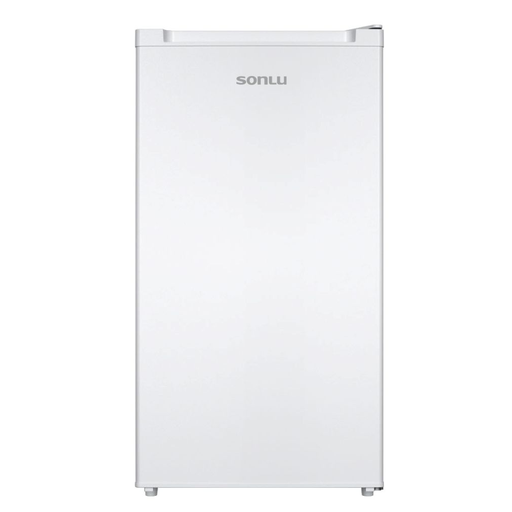 Image unavailable
Sonlu CS-100L 82 L single-door refrigerator
Consider this compact refrigerator if a separate place for produce matters more than a large chilled-food compartment. Its name states an 82 L capacity; confirm the full dimensions, door clearance and installation requirements against your available space.
View on Joybuy
Frequently asked questions
What temperature should the fridge be for salad leaves?
Aim for a fridge temperature of 0°C to 5°C, as Which? advises. A fridge thermometer can help you check the internal temperature rather than assuming the selected setting has achieved it.
Can an under-counter fridge go in any gap it fits into?
No: the appliance also needs room to open and the ventilation required by its installation instructions. Electrical Safety First advises leaving room for air to circulate behind a fridge and keeping exterior ventilation openings clear.
Is a salad crisper enough to store leaves well?
A crisper provides a separate produce area, but it does not replace temperature control. Choose a drawer that accommodates your usual quantity of leaves and check that the fridge runs within the 0°C to 5°C range advised by Which?.
What if the fridge cable cannot reach the socket?
Plan a position near a suitable wall socket rather than relying on an extension lead. Electrical Safety First advises against using an extension lead for a fridge because it can be overloaded when used with other large appliances.


