
24/7 Customer Support

Free returns

Same-day & Next-day Delivery

Quality Guaranteed

Unlock Your Welcome Offers: FREE Delivery | Up to 80% OFF | Free 30-day JoyPlus trial
Download the APP
A ready-to-use salad dressing can make vegetables, pasta or noodles more appealing, but the wrong bottle may sit unused in the fridge. UK shoppers often face three avoidable pitfalls: attractive flavour descriptions that do not explain the main ingredients, “light” labels that still indicate a relatively high fat content and speciality sauces that are suited to one cooking style rather than everyday meals.
A practical choice starts with the label. Consider how you plan to use the dressing, check allergens and storage instructions, then compare the bottle size with your likely usage. The options below cover Italian, citrus, Japanese and Chinese-style flavours, as well as a lighter dressing for regular salads.
Words such as “classic”, “premium” or “refreshing” describe positioning rather than a measurable standard. Look for the ingredient list, including the percentage of oil, vinegar, citrus juice or other key components. A product described as a lemon dressing, for example, may contain a modest quantity of lemon juice alongside oil, sugar and thickening agents.
A light salad dressing may contain less fat than a standard version from the same range, but it is not necessarily low in calories. Pizza Express House Light Dressing lists 30% less fat compared with its House dressing, while its stated nutrition is 300 kcal and 30 g fat per 100 ml. Compare the nutrition panel rather than relying on the front label.
Dressings can contain mustard, celery, eggs, gluten, soya, sesame or sulphites. UK food labels should provide allergen information, but formulations can change, so check the packaging before purchase and consumption. Storage also varies: several products require refrigeration after opening and specify a period for use.
Choose the style that matches your regular meals:
A thick glaze is not a direct substitute for a thin dressing. It may cling to food rather than coat a full bowl evenly.
Ingredients are listed in descending order by weight. If oil, sugar or syrup appears near the beginning, expect that characteristic in the finished sauce. For a light salad dressing, compare energy, fat, saturates, sugar and salt per 100 ml.
Salt levels also deserve attention. Qianhe Cold Salad Dressing lists 3,850 mg sodium per 100 ml, while Daisho Yuzu Dressing lists 8.5 g salt per 100 ml. These products may suit small amounts used to season a larger dish, but they are different from a mild pour-over dressing. Always use the product’s stated serving guidance and current label.
Bottle sizes in this selection range from 150 ml to 400 ml. A 150 ml speciality dressing may be practical for occasional use, while a 400 ml bottle can offer more supply for households using dressing several times a week. Check whether the product should be shaken before use, refrigerated after opening or consumed within a stated period. Separation in an oil-and-vinegar dressing is normal; shaking helps recombine the contents.
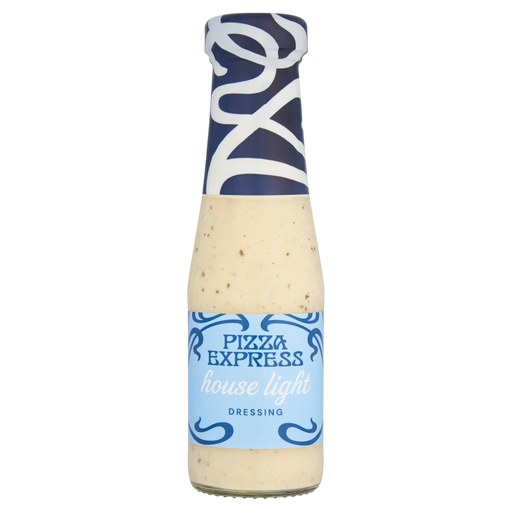
Why This Fits Their Persona: A familiar-style option for shoppers wanting one bottle for salads, vegetables and everyday meals, with a smaller 235 ml format.
The product information states its comparison with the House dressing, helping shoppers assess “light” in context rather than treating it as a low-calorie claim.
Suitable for vegetarians; contains white wine vinegar, rapeseed oil, herbs and egg yolk for a pourable, savoury profile.
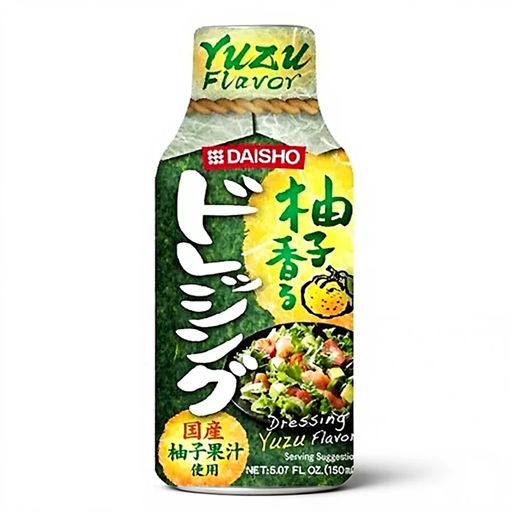
Why This Fits Their Persona: A smaller speciality bottle for shoppers who enjoy Japanese-inspired citrus and savoury flavours without committing to a large quantity.
Its listed ingredients identify yuzu juice, soy sauce and sesame oil, so the citrus-and-umami character is clear before buying.
Designed for salads, seafood and Japanese dishes; contains wheat, soya and sesame, which are clearly identified for dietary checking.
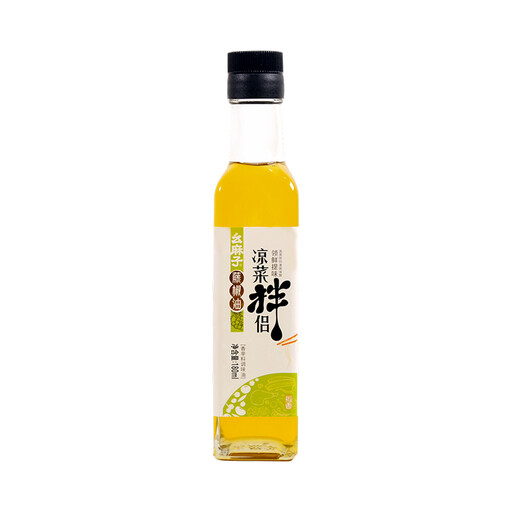
Why This Fits Their Persona: Suitable for cooks who regularly prepare Chinese cold dishes, noodles, vegetables and stir-fries and want a focused Sichuan pepper flavour.
The simple formula lists rapeseed oil at 90%, Sichuan pepper and garlic, avoiding uncertainty about the primary seasoning base.
Contains no listed allergens; the stated dosage is 10 g of oil per 500 g of ingredients, making portioning straightforward.
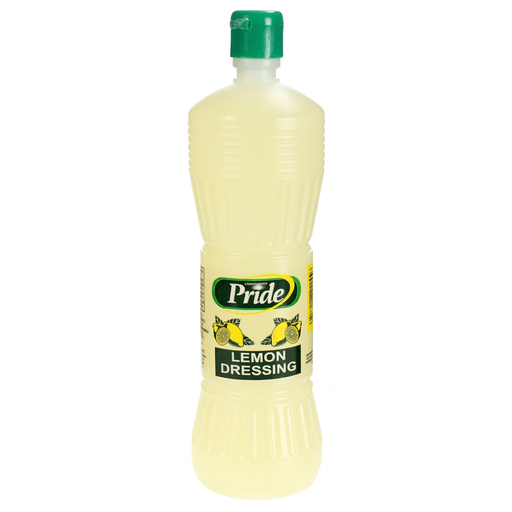
Why This Fits Their Persona: The 400 ml bottle suits households that use a lemon dressing for vegetable salads, fruit salads, dipping or as a cooking ingredient.
The product details state 5% lemon juice, allowing shoppers to distinguish its citrus content from the broader flavour description.
Ready to use; the listing states no added artificial colours and no trans fat, with refrigeration required after opening.
For a classic vinaigrette suitable for salads, pasta and grilled vegetables, Newman's Own Italian Dressing contains rapeseed oil, olive oil, red wine vinegar, lemon juice, garlic and herbs. It is listed as suitable for vegans and vegetarians, but contains mustard and celery.
If you want a finishing sauce rather than a pourable salad dressing, Filippo Berio Classic Balsamic Glaze has a thick consistency. Its ingredients include 60% Aceto Balsamico di Modena IGP, sugar and grape must. The nutrition panel lists 45 g sugar per 100 ml, so it is more appropriate as a drizzle used in small amounts than as a bowl dressing.
For a Chinese-style sweet, sour and spicy profile, Qianhe Cold Salad Dressing is ready to use with vegetables and cold dishes. It contains soya and wheat, alongside vinegar, chilli, apple juice concentrate and seasoning ingredients. Refrigerate after opening and check the current packaging for allergen and storage information.
We have compiled a complete, real-time list of products that fully satisfy these strict selection criteria and UK safety regulations.
A light vinaigrette, lemon dressing or Italian dressing can suit leafy greens and cooked vegetables. For roasted vegetables, a thicker balsamic glaze may be easier to drizzle. Match the texture and flavour intensity to the dish rather than choosing by name alone.
There is no single period for every product. Several dressings in this selection state refrigeration after opening, with use within one month, four weeks or six weeks depending on the product. Follow the bottle’s storage instructions and best-before information.
Check the label. Unopened products may be stored in a cool, dry place, while opened bottles commonly require refrigeration. Shake oil-based dressings before serving and do not use a bottle if its packaging is damaged or the contents show unusual changes.