Fast-service breakfast teams
For buffets using salmon in spreads, salads or mixed dishes, tinned salmon provides a prepared ingredient that can be assembled without cooking individual raw portions.


Choose tinned salmon for buffet dishes that use flakes, such as spreads, salads or mixed egg dishes: it can be assembled without cooking a raw fillet. Choose frozen fillets when the menu calls for recognisable cooked portions and the kitchen can accommodate freezer storage, raw-fish handling and cooking. A skinless-and-boneless tin may suit a smoother presentation, but its label should still be checked for a bone warning.
For buffets using salmon in spreads, salads or mixed dishes, tinned salmon provides a prepared ingredient that can be assembled without cooking individual raw portions.
If guests will see the salmon as a distinct portion, cooked fillets fit that serving style. For visible flaked dishes, a skinless-and-boneless tin may be worth assessing, while retaining a check for remaining bones.
Teams planning either format need current allergen information and controls for the way the dish is served. Frozen raw fillets also require a raw-fish preparation workflow; hot dishes need a hot-holding plan.
Decide whether the dish needs flakes or a cooked portion before comparing pack formats and planning buffet service.
| Concern | What to check | Who this matters to |
|---|---|---|
| Preparation time and flexibility | Check whether the dishes use flakes or require cooked fillets; for tins, check the pack size and instructions after opening. | If breakfast service relies on quickly assembling several mixed dishes, I need a prepared ingredient rather than raw portions to cook. About 42% of consumers put rapid preparation and flexible use first. |
| Texture and presentation | Choose between flaked salmon and an intact portion; read bone warnings, including on skinless-and-boneless tins. | When salmon is prominent on the buffet, I want its serving style and texture to match the dish. For about 33% of consumers, presentation and bone handling are the primary concern. |
| Allergen and service controls | Check the delivered label and recipe record; plan raw-fish handling or hot holding where the dish requires it. | Before putting a salmon dish out for guests, I need its allergen information and serving controls to be workable for my team. That is the main priority for about 25% of consumers. |
Tinned salmon supplies flakes for prepared dishes; frozen raw fillets add freezer storage, handling and cooking steps before service.
Specify the breakfast dish first. Use a tin for a flaked preparation, or plan a cooked fillet when the dish calls for a distinct portion.
Tesco warns that some bones may remain in its skinless-and-boneless wild red salmon.
Check the exact pack warning and retain appropriate preparation checks before describing a buffet dish to guests.
Storage directions can change once a tin is opened. Hot salmon dishes also need controls suited to buffet service.
Follow the delivered pack’s instructions after opening, use manageable replenishment batches and include the dish in the hotel’s food-safety procedures.
A product or recipe change can make an older listing unsuitable for answering guests’ allergen questions.
Check the delivered label and current supplier information, then update the dish record used by buffet staff.
Tesco’s tinned-salmon listings illustrate standard red and pink formats alongside skinless-and-boneless options.
Princes lists pink and red canned salmon, including a skinless-and-boneless red-salmon line.
A Tesco tinned-salmon assortment lists John West red and pink salmon and a skinless-and-boneless pink multipack.
These selections cover tinned pink salmon for flaked breakfast dishes and frozen sockeye salmon fillet steaks for a cooked-portion menu. Plan preparation and service around the format you choose.
 No image available
Consider this tinned format when the buffet uses salmon in flaked or mixed dishes. The pack contains four 213g cans; check the delivered label and usable amount per can when planning portions.
 No image available
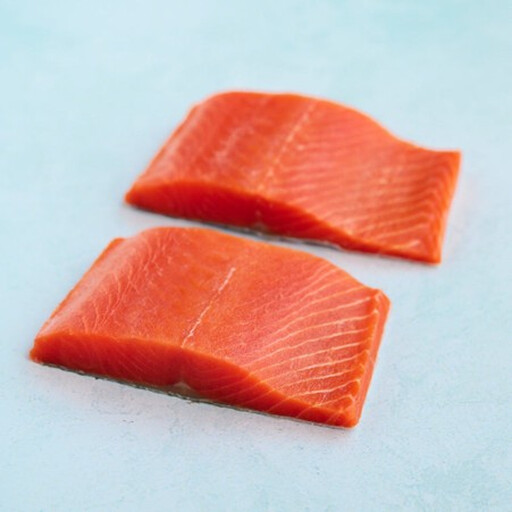
Consider the frozen-fillet route when the breakfast dish calls for recognisable cooked salmon portions. This 220g fillet-steak pack requires a preparation and cooking plan; check its delivered instructions and allergen information before service.
 No image available
Consider this single tin for a flaked preparation or a smaller service batch. The can is 213g; check its usable amount, bone information and instructions after opening against the planned dish.
Tinned salmon can serve a flaked or mixed dish, but it cannot provide the same recognisable cooked portion as a fillet. If the menu calls for a fillet, plan for freezer storage, raw-fish handling and cooking instead of substituting a tin.
Follow the instructions on the exact can. Tesco’s wild Pacific red salmon example directs users to transfer unused contents to a non-metallic container, cover and refrigerate them, and consume them within two days; check the delivered product rather than applying that instruction to every brand.
Keep the information for each dish accurate and current against its ingredients and delivered packs. GOV.UK allergen guidance addresses information for both prepacked and non-prepacked food in England, Northern Ireland and Wales; check the requirements applicable to the hotel’s location and service method.
Food Standards Agency guidance for caterers says hot food must be held at 63°C or above. Build the holding and replenishment method into the hotel’s food-safety procedures before adding a hot salmon dish to the buffet.
Check the instructions for the exact product: a frozen Scottish salmon-fillets example listed by Waitrose & Partners gives a cook-from-frozen method, but that does not establish one for every fillet. Follow the selected pack’s cooking directions and raw-fish handling instructions.