
24/7 Customer Support

Free returns

Same-day & Next-day Delivery

Quality Guaranteed

Unlock Your Welcome Offers: FREE Delivery | Up to 80% OFF | Free 30-day JoyPlus trial
Download the APP
As a pet owner in the UK, you want to provide a nutritious diet for your furry companion. Salmon pet food has become a popular choice, often highlighted for its omega fatty acids and palatability. However, the market is filled with options that can be confusing. Navigating claims about skin health, grain-free formulas and protein content can feel overwhelming.
This guide, from your Joybuy Product Recommendation Officer, is designed to help you cut through the marketing clutter. We'll look at the common pitfalls UK shoppers face and clarify the key factors to check before you buy, ensuring you choose a food that genuinely benefits your cat or dog.
Many well-intentioned pet owners are caught out by clever marketing. Here are two of the most frequent traps to be aware of:
grain free salmon pet food is essential for pets with specific grain allergies, it's not automatically a healthier choice for every animal. Many formulas simply replace grains like wheat and corn with other high-starch fillers such as potato or tapioca. This might not be suitable for pets needing weight management or those sensitive to high-starch diets.To make an informed choice, focus on the label's facts, not the packaging's promises. Here are the crucial parameters to analyse.
The ingredients list is your most reliable tool. In the UK, ingredients must be listed in descending order by weight.
Different pets have different energy requirements. A salmon puppy food will have higher protein and fat levels to support growth, while a food for a less active or senior pet may have more moderate levels.
sensitive skin dog food with salmon.The type of food matters. Whether you choose kibble, pouches and treats, ensure it meets your pet's dietary needs.
salmon dog food or salmon cat food provides all the necessary nutrients for a daily diet. "Complementary" foods, such as many natural salmon cat treats, are intended to be fed alongside a complete meal and should not be used as the sole source of nutrition.Wet cat food salmon pouches can be great for increasing a cat's hydration, while dry kibble can help with dental hygiene through its abrasive texture. Many owners use a mix of both.Based on these practical criteria, we've matched a few standout products to specific owner needs.
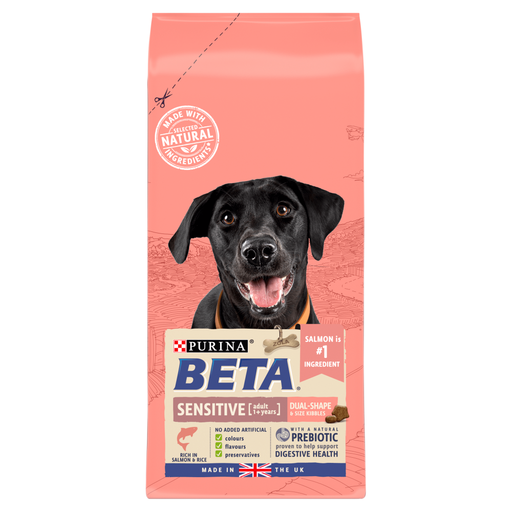
Why This Fits Their Persona: This owner is looking for a reliable, targeted solution for their dog's sensitive skin or digestion. They need a food that is gentle but nutritionally complete, without having to navigate complex, exotic ingredients.
It avoids the "flavour" trap by listing salmon meal as the first ingredient (17%). The formula is specifically tailored for sensitivity, rather than just being a generic food with salmon added.
Includes natural prebiotics (dried chicory root) to support digestive health and is enriched with Omega 3 & 6 fatty acids to help manage skin reactions.
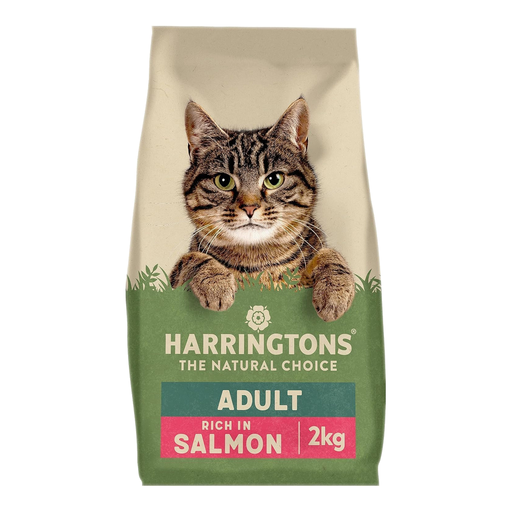
Why This Fits Their Persona: This cat owner actively seeks a grain-free diet, either due to a known sensitivity or a preference for recipes without wheat, corn or soy. They want a high-protein, fish-based kibble that is gentle on the stomach.
It avoids the "grain-free halo" trap by not just removing grains, but by using a high level of salmon meal (28%) as the main protein and including beneficial prebiotics (FOS) to actively support digestion.
Features a high protein content (30%) and is rich in Omega-3 (≥0.8%) from salmon to nourish the skin and coat. The crunchy kibble also helps reduce tartar buildup.
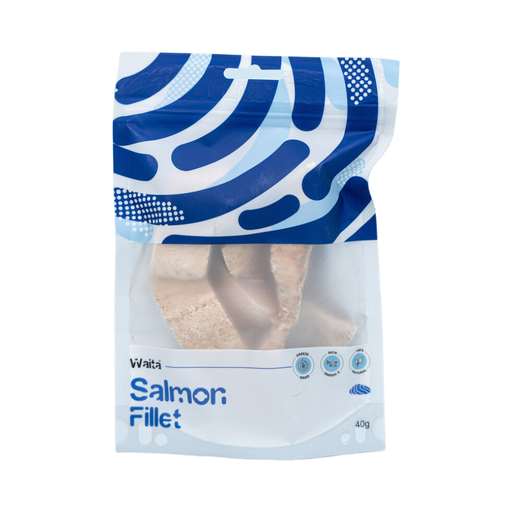
Why This Fits Their Persona: This owner prioritises purity and quality above all else for their pet's treats. They want a high-value reward or meal topper with no fillers, additives or grains, and are happy to invest in a premium, single-ingredient product.
This product completely bypasses the "low salmon content" trap by being made from 100% salmon fillet. There is no ambiguity or need to decipher a long ingredients list.
It is gently freeze-dried to retain maximum flavour and nutrients. Being hypoallergenic and easily digestible, it's suitable for pets with sensitivities and can be served whole or flaked over meals.
We have compiled a complete, real-time list of products that fully satisfy these strict selection criteria and UK safety regulations.
To avoid digestive upset, introduce the new food gradually over 7 days. Start by mixing 25% of the new food with 75% of their old food. Slowly increase the proportion of the new food each day until you have fully transitioned. Always ensure fresh drinking water is available.
Salmon is often recommended for pets with sensitivities to common proteins like chicken or beef. It is a novel protein for many pets and its natural oils can support skin health. However, a pet can be allergic to any protein, including fish. If you suspect an allergy, look for a limited-ingredient diet and consult your vet.
"Fresh salmon" refers to salmon before it has been cooked and had its water removed. It's a high-quality ingredient, but since it's about 70% water, its overall contribution to the final kibble's protein content can be less than its high placement on the ingredients list might suggest. "Salmon meal" is salmon that has been rendered (cooked down) to remove water and fat, creating a concentrated protein powder. It is a very dense and effective source of protein. A food containing both can offer a good balance.