Intermittent second-home visitors
If visits are irregular or freezer capacity is uncertain, start by assessing tins labelled for unopened cupboard storage. Check their best-before dates against your plans for the next visit.


Choose tinned salmon for cupboard stock that does not depend on a freezer between visits; the checked tins are labelled for cool, dry storage while unopened. Choose frozen fillets when you can maintain freezer storage and want salmon for cooked fillet meals. Keeping both can serve those different meals, but check each pack for storage, bones and preparation instructions.
If visits are irregular or freezer capacity is uncertain, start by assessing tins labelled for unopened cupboard storage. Check their best-before dates against your plans for the next visit.
If you can maintain freezer storage and expect to cook salmon as a main meal, frozen fillets provide a different format from canned salmon. Check the particular pack’s cooking instructions before relying on it for a visit.
A small cupboard supply and a separate frozen pack may suit visits that alternate between simple meals and planned cooking. Match the amount in each storage space to the meals you expect to make.
Decide first whether the fish must remain stored without a freezer, then whether you want canned salmon as an ingredient or fillets for cooking. Pack size matters when a visit may end before opened food is used.
| Concern | What to check | Who this matters to |
|---|---|---|
| Storage between visits | Read the unopened storage instructions and best-before date; assess whether freezer storage will remain dependable. | If visits are irregular, I want fish I can leave in a cupboard without depending on the freezer. About 42% of consumers might put freezer-independent storage first. |
| Fillet meals | Check that the pack contains the format you intend to cook, its portions and whether its instructions allow cooking from frozen. | For a planned main meal, I want a salmon fillet rather than canned fish to add to another dish. Roughly 33% of consumers might prioritise that cooked-fillet format. |
| Pack size and leftovers | Compare the stated amount and portions, then read the instructions for any food left after opening. | On a short visit, I need an amount I can use before leaving, without opening more tins or portions than the meal requires. Around 25% of consumers might make manageable portions their primary concern. |
Frozen fillets serve planned cooked meals, but they depend on freezer storage. The checked M&S and Asda tins instead carry cool, dry storage instructions while unopened.
For irregular visits, choose the amount of tinned salmon you expect to use; add frozen fillets only when freezer space and upcoming meals justify them.
The checked Asda pink salmon tin warns of soft edible bones, and the checked Sainsbury's frozen fillets warn that some bones may remain. Product format alone does not settle the question.
If bones affect your choice, look for the exact variant you want and read its pack warning before serving.
The checked M&S tins instruct shoppers to refrigerate transferred leftovers and eat them within 24 hours. The checked Asda tin instructs shoppers to transfer, cover and refrigerate leftovers, describing them as best within three days.
Follow your own tin’s instructions and choose a size that fits the meals planned for that visit.
A tin of salmon and a pack of raw fillets have different preparation needs and meal roles. Can weight may not describe drained contents, while a frozen pack may state an approximate number of servings.
Check the stated weight basis, portions and opened-storage instructions alongside the meal you intend to make.
These examples show the formats available in the cited brand and retailer ranges, rather than a judgement about every product bearing the same name. Check the individual pack for its current specification and storage instructions.
Tesco Groceries lists John West among its tinned-salmon options, including red salmon and pink salmon formats.
Princes lists wild Pacific pink salmon in 213g and 418g tins, as well as a 170g skinless and boneless wild red salmon product.
Tesco Groceries lists own-label tinned salmon alongside frozen wild salmon fillets, including 330g and 500g frozen packs.
Sainsbury's lists a 360g pack of individually frozen, skinless and boneless wild Pacific salmon fillet portions.
Asda lists a 213g wild Alaskan pink salmon tin with cool, dry storage instructions for the unopened product.
M&S Food lists wild Alaskan red salmon in a standard 105g tin and a skinless and boneless 170g format.
For a second home, these Joybuy selections include tinned pink salmon for cupboard meals and sockeye salmon fillet steaks for planned cooking with freezer storage. Choose the format before comparing pack sizes.
 Image unavailable
For keeping several tins on hand for cupboard-based meals between visits. The pack contains four 213g tins, not raw fillets; check their best-before dates and follow the label when storing opened contents.
 Image unavailable
For a single-tin cupboard supply when a smaller amount fits the visit. This is a 213g tin of canned salmon rather than a raw fillet; check its best-before date and opened-storage instructions.
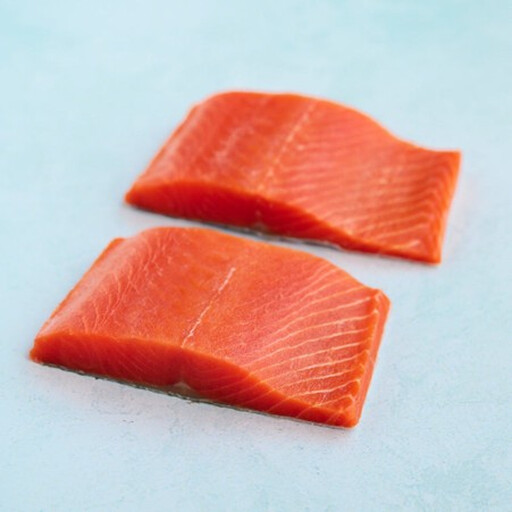 Image unavailable
For a planned cooked salmon meal when dependable freezer storage is available. This 220g fillet-steak pack is not a cupboard backup; check its date and its freezing, thawing and cooking instructions before stocking it.
Start with tins if the priority is unopened cupboard stock that does not use freezer space. Add frozen fillets when you can maintain freezer storage and intend to cook fillet meals; check the dates and storage instructions on the packs you choose.
The checked Sainsbury's 360g salmon fillets have oven instructions for cooking from frozen. Follow the directions for your exact pack rather than applying that preparation method to all frozen salmon.
Follow the instructions on the tin: the checked M&S products say to transfer unused contents to a non-metallic container, refrigerate and eat within 24 hours. The checked Asda tin says to transfer unused contents to a suitable non-metallic container, cover and refrigerate, and describes them as best within three days.