What matters when choosing?
Start with how the salmon will appear on the plate, then check the preparation and storage that your chosen dish requires.
| Concern |
What to check |
Who this matters to |
| Main-course presentation |
Look for separate fillets or a sharing piece; check whether the fish is skin-on and how the pack says to cook it. |
If salmon is the main course, I want cooked portions to plate alongside the roast vegetables; about 36% of consumers put intact presentation first. |
| Mixed-dish convenience |
For a tin, check the pack size, ingredients and any instructions for storing leftovers after opening. |
For fishcakes or a pie, I want salmon I can flake into the mixture without cooking raw fillets first; about 29% of consumers primarily seek that convenience. |
| Bones and ingredients |
Read the bone statement and ingredient list on the exact product; a skinless-and-boneless label applies only to the pack bearing it. |
When bones would affect the dish, I want to know what the pack says before I cook; about 21% of consumers focus primarily on bones and label details. |
| Storage and timing |
For raw fillets, check the use-by date and freezing or defrosting directions. For tins, check storage directions after opening. |
If the roast is days away, I need the fish to fit my storage and cooking plans; about 14% of consumers prioritise those handling requirements. |
Joybuy products for these meals
These products offer frozen salmon portions for a plated main course and tinned salmon for dishes such as fishcakes or pie. The frozen portions call for different storage planning from fresh-chilled fillets.
 No image available
The Fish Society Wild Sockeye Salmon Fillet Steaks 220g
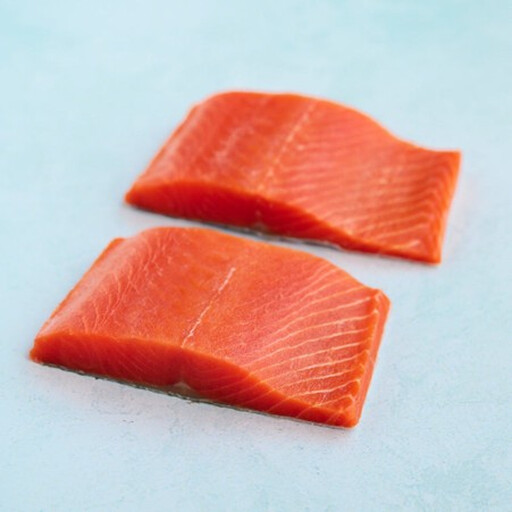
Portion-style salmon for a plated main course. This product is frozen rather than fresh-chilled, so follow its storage and thawing directions when planning the meal. Check the pack's bone information if that affects your choice.
Joybuy
 No image available
Morrisons Pink Salmon 213g
A tinned option for flaking into fishcakes or a pie rather than serving as an intact fillet. Check the pack for bone information and follow its directions for storing any salmon left after opening.
Joybuy
 No image available
Morrisons Pink Salmon 213g, 4-pack
Four tins for meals in which salmon will be flaked into other ingredients. This is not an intact fillet format; check the packs for bone information and after-opening storage directions.
Joybuy
Questions about buying and storing salmon
Which salmon format works for a Sunday roast main course?
Choose fresh fillets if you want separate cooked portions on the plate. Tesco Groceries provides cooking instructions for its raw fillets, while Marks & Spencer says its organic fillets must be cooked. Tinned salmon is a different format for dishes in which the fish will be flaked.
Are tinned salmon and fresh fillets nutritionally interchangeable?
Do not assume they have identical labels or bone content. The NHS notes that some tinned salmon has edible bones containing calcium and phosphorus, unlike fresh salmon fillets. Compare the exact products' ingredients and nutrition information, including salt per 100g.
Can I freeze fresh fillets for a later roast?
Check the freezing and defrosting directions on the fillets you buy. The Tesco Groceries and Marks & Spencer products described here have product-specific instructions, so use the dates and handling directions on your own pack rather than applying another product's timetable.
How should I store leftover tinned salmon?
Follow the individual can's directions after opening. Tesco Groceries instructs shoppers to transfer unused contents of its listed John West skinless-and-boneless pink salmon to a covered, non-metallic container, refrigerate them and use them within two days.
Does a salmon product contain a fish allergen?
Yes. The Food Standards Agency identifies fish as an allergen. Check the specific pack's allergen declaration and ingredients, particularly if the salmon comes with a sauce or glaze.


