
24/7 Customer Support

Free returns

Same-day & Next-day Delivery

Quality Guaranteed

Unlock Your Welcome Offers: FREE Delivery | Up to 80% OFF | Free 30-day JoyPlus trial
Download the APP
Salt and pepper seasoning can turn plain chicken, seafood, vegetables or crisps into a more distinctive dish. However, products sold under similar names can differ considerably in salt content, ingredients, pack size and intended use. A small sachet for one family meal is not interchangeable with a 1kg coating mix or a ready-to-eat snack.
Joybuy Product Recommendation Officer guidance focuses on the practical details that are easy to miss behind attractive packaging.
A salt-baked seasoning powder is usually designed for marinating or coating meat, seafood or eggs. A Taiwanese salt and crispy chicken powder may contain wheat flour, cornflour and raising agents, making it more suitable for creating a crisp coating than simply sprinkling over cooked food.
Likewise, a Chinese seasoning powder containing sand ginger, Sichuan pepper, tangerine peel or five-spice can produce a markedly different flavour from a simple salt and pepper blend. Check the preparation instructions before buying, particularly if you want to use the seasoning for salt and pepper chicken, salt and pepper squid or vegetables.
Salt seasoning is naturally concentrated. Some products list very high salt or sodium values per 100g because the product is intended to be used in small quantities. This does not mean the blend is automatically unsuitable, but it does mean portion control matters.
For context, UK dietary guidance commonly advises adults to consume no more than 6g of salt per day. Compare the nutrition panel and avoid adding extra salt, stock cubes or standard soy sauce without considering the combined amount.
Flour-based crispy chicken mixes commonly contain wheat, while soy sauce powders may contain soya and gluten. Snacks can also include fish, molluscs, sesame, milk or sulphites. “Vegetarian”, “halal” and “gluten-free” should not be assumed from the product name alone.
Always read the current packaging, especially when buying for someone with coeliac disease, a food allergy or a specific religious or dietary requirement.
Decide whether you need a seasoning for:
A coating mix can become too thick or floury when used as a table seasoning, while a fine seasoning may not create the crisp exterior expected from fried chicken.
Small sachets are useful when trying an unfamiliar flavour or preparing occasional meals. Larger packs offer more servings but need airtight storage to prevent moisture, clumping and loss of aroma.
Check whether the packaging is resealable. For products such as an 880g salt-baked blend or a 1kg Taiwanese coating powder, this is particularly important for regular home cooks and larger households.
Review the ingredients in descending order by weight. A product led by salt may deliver a more direct salty taste, while one containing garlic, pepper, sand ginger, five-spice or herbs may provide more aromatic complexity.
For lower-salt cooking, compare a seasoning powder with a reduced salt soy sauce or less salt soy sauce. These sauces still contain salt, so use a measured spoon rather than pouring freely. If you require gluten-free ingredients, select products with an appropriate declaration and check for cross-contamination advice on the label.
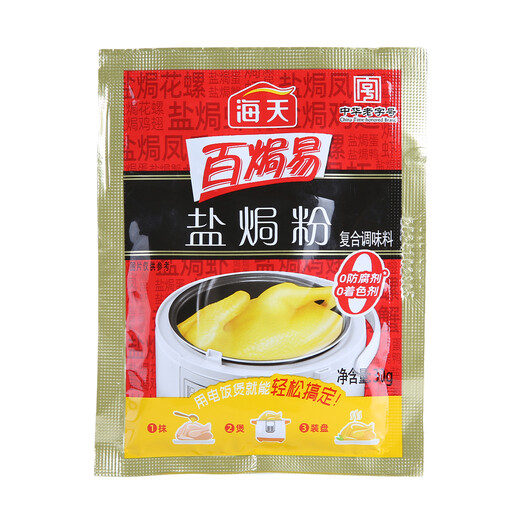
Why This Fits Their Persona: Six individual 30g sachets provide a straightforward way to try salt-baked cooking without committing to a large bag. It suits UK shoppers preparing occasional chicken wings, prawns or eggs.
The sachet format helps with portion control and reduces the chance of leaving a large seasoning bag open in a damp kitchen cupboard.
Six pre-measured sachets; ingredients include salt, MSG, starch and sand ginger powder; no allergens are listed in the supplied product information.
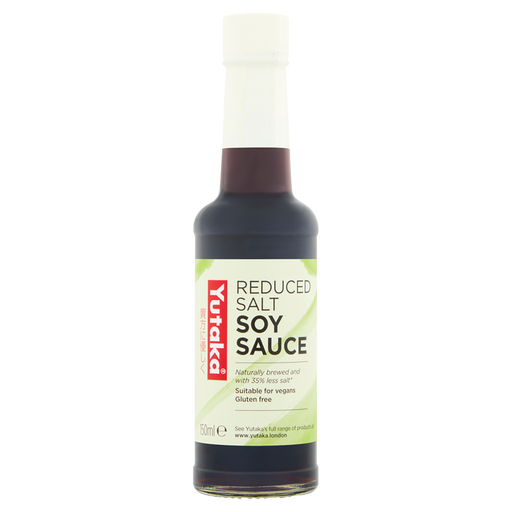
Why This Fits Their Persona: This is suitable for cooks who want an umami-rich liquid seasoning for stir-fries, noodles, marinades and dipping, while also looking for a stated gluten-free option.
The label states 38% less salt than standard soy sauce, but the product still contains salt, so it should be measured rather than used without limits.
150ml bottle with flip-top cap; ingredients include water, soya beans, salt, rice and alcohol; suitable for cooking or table use.
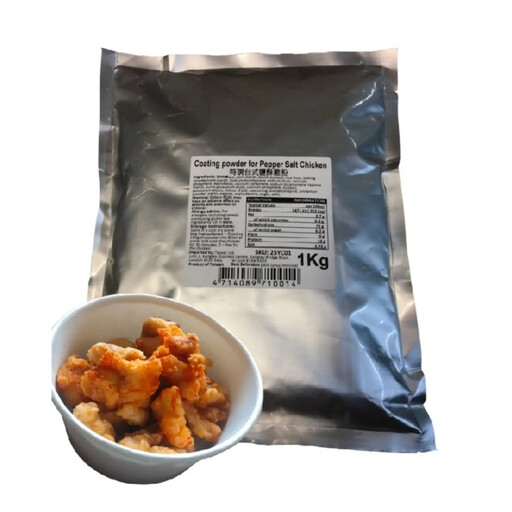
Why This Fits Their Persona: The 1kg format is designed for frequent cooking, meal preparation or larger households making Taiwanese-style popcorn chicken, fried vegetables or coated seafood.
Its stated purpose is clear: this is a pre-mixed coating and seasoning formula, not a generic table salt. The wheat allergen is also declared.
Contains wheat flour, cornflour, rice flour, five-spice, cinnamon, garlic and white pepper; supplied in a large 1kg pack for repeated use.
For salt and pepper chicken, pat the meat dry before marinating or coating. Excess moisture can dilute the seasoning and reduce crispness. For salt and pepper squid, follow the cooking instructions carefully because the supplied product is raw and frozen; it must be cooked thoroughly before serving.
If you prefer a non-fried option, sprinkle a small amount over roasted cauliflower, chips or air-fried vegetables after cooking. Garlic and herb seasoning can provide a milder alternative for family meals. For snacks, compare the serving size rather than relying only on the front-of-pack flavour description. Examples include mushroom crisps, salmon cracklings and rosemary flatbreads, all of which have different allergen and nutrition profiles.
Store powders in a cool, dry cupboard and reseal opened packaging. Keep sauces such as reduced salt soy sauce according to the label, including refrigeration advice after opening.
We have compiled a complete, real-time list of products that fully satisfy these strict selection criteria and UK safety regulations.
Usually, yes, provided the product instructions allow it. Apply the coating evenly and avoid overcrowding the basket. Check that any meat or seafood reaches a safe, piping-hot centre before serving. Powdered mixes containing flour or starch may brown faster than the ingredient inside, so follow the appliance and product guidance.
The unopened shelf life depends on the packaging and production date. After opening, keep the powder tightly sealed in a cool, dry place and use the date printed on the packaging as the primary guide. Discard it if it develops moisture, unusual odour or visible mould.
Yes, but account for the salt already present in the powder, marinade or coating. Use a small measured quantity of soy sauce for umami, taste the finished dish and avoid automatically adding extra table salt. Always check the ingredient and allergen information before serving.