
24/7 Customer Support

Free returns

Same-day & Next-day Delivery

Quality Guaranteed

Unlock Your Welcome Offers: FREE Delivery | Up to 80% OFF | Free 30-day JoyPlus trial
Download the APP
Buying salt appears straightforward until you compare sea salt, table salt, coarse crystals, flakes, iodised varieties and low-sodium alternatives. The right choice depends less on the name on the packet and more on grain size, ingredients, intended use and pack format.
For UK households, a practical purchase should suit your cooking habits without paying extra for claims that do not improve the result. This guide explains the main buying traps, the specifications worth checking and our top recommendations for different kitchen needs.
Sea salt, Himalayan pink salt and rock salt can have different colours, textures and crystal shapes, but they are still primarily sodium chloride. Trace minerals may affect appearance or flavour subtly, yet they do not automatically make a salt more suitable for everyday cooking.
A premium-looking packet may be more useful for presentation or finishing than for boiling pasta or seasoning a large stew. Compare the price per 100g, not just the pack design.
A coarse sea salt is useful in a grinder or for adding crunch to roast vegetables. It may dissolve slowly in cake batter or sauces, however. Fine sea salt and table salt distribute more evenly in baking and everyday cooking.
Flaky finishing salt is designed to be sprinkled shortly before serving. Using it as your main cooking salt can increase cost and make portioning less predictable.
Low-sodium salt commonly replaces part of the sodium chloride with potassium chloride. It can help some shoppers reduce sodium intake, but it is not suitable for everyone. Saxa So Low, for example, contains potassium chloride and includes a warning for people with heart or kidney problems to consult a doctor before use.
Read the ingredient list and nutrition panel rather than relying only on front-of-pack wording. Reduced-sodium soy sauces are also seasonings with measurable salt content, so they should not be treated as salt-free alternatives.
Match the crystal size to the task:
If a recipe specifies grams, weigh coarse or flaky salt where possible. A teaspoon of one texture may contain a different amount of salt from a teaspoon of another.
Some table salt contains an anti-caking agent to help it remain free-flowing. Saxa Table Salt lists sodium hexacyanoferrate II as an anti-caking agent, while several products in the Pegasus range list salt alone.
Neither format is automatically right for every shopper. Those who want a simple ingredient list should check the label for “salt” or “sea salt” and note whether anti-caking agents or added iodine are present.
Iodised salt contains an iodine compound such as potassium iodate. Pegasus Iodized Sea Salt Fine lists salt and potassium iodate in its ingredients. Check the packaging for storage instructions, as the product information advises keeping the container closed to help preserve iodine content.
For nutrition comparisons, UK labels generally show salt, while some imported products show sodium. Salt is approximately 2.5 times the sodium value by weight. The NHS advises adults to consume no more than 6g of salt per day, including salt already present in foods. A lower-sodium product does not remove the need to consider total intake.
Pack size also matters. A 750g or 800g container may offer practical value for regular cooks, while a 250g pack of flakes can be more appropriate when used only at the table.
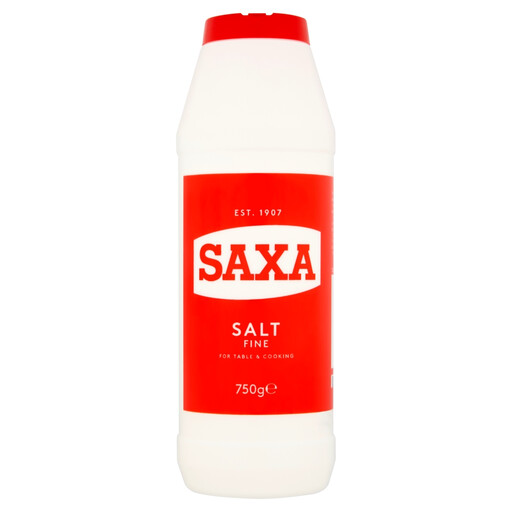
Why This Fits Their Persona: Fine-flowing table salt is a straightforward option for everyday cooking, baking and table use in a UK kitchen.
Its fine texture is clearly suited to general use, avoiding the inconvenience of slow-dissolving coarse crystals.
750g pack; includes an anti-caking agent for free-flowing use.

Why This Fits Their Persona: Home cooks who value visible texture at the table can use these sea salt flakes on grilled food, salads, bread and roast dishes.
The 250g format limits the upfront spend when flakes are intended for finishing rather than bulk cooking.
Sea salt flakes; ingredients list contains sea salt flakes only.
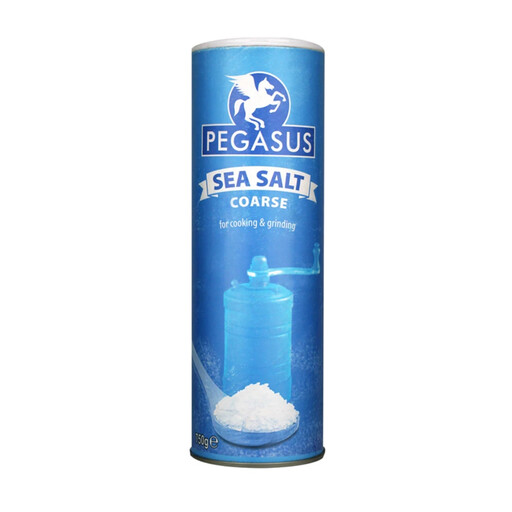
Why This Fits Their Persona: Frequent cooks, barbecue users and grinder owners receive a substantial supply of coarse sea salt for roasting, seasoning and finishing.
The coarse format is selected for grinders and texture-led applications, rather than being presented as an all-purpose baking salt.
750g resealable drum; coarse crystals suitable for grinders.
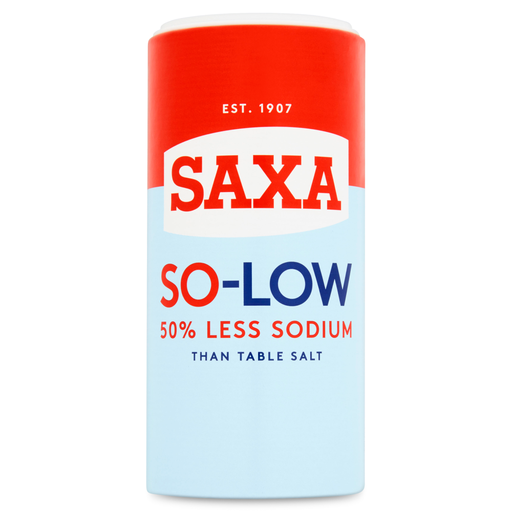
Why This Fits Their Persona: Shoppers looking for a reduced-sodium table seasoning can use it in cooking or at the table in place of regular salt.
The ingredient list identifies potassium chloride and the product warning makes its suitability limits clear.
350g pack; product information states 50% less sodium than regular salt.
We have compiled a complete, real-time list of products that fully satisfy these strict selection criteria and UK safety regulations.
Sea salt and table salt are both mainly sodium chloride. Their processing, crystal shape and additives can differ, but neither should automatically be regarded as a health product. Compare the nutrition panel, ingredients and serving size, then choose the texture that suits your cooking.
Fine sea salt or fine table salt usually works most predictably because it disperses and dissolves evenly in dough and batter. If using coarse sea salt, grind or weigh it first rather than substituting it spoon for spoon.
Keep salt in a cool, dry place and close the container after each use. Moisture can cause clumping, particularly with coarse sea salt and flakes. A resealable drum or airtight container is useful in humid kitchens. Always follow the storage and best-before guidance printed on the packaging.