
24/7 Customer Support

Free returns

Same-day & Next-day Delivery

Quality Guaranteed

Unlock Your Welcome Offers: FREE Delivery | Up to 80% OFF | Free 30-day JoyPlus trial
Download the APP
For many home cooks in the UK, the quest to find authentic Asian food ingredients can be a rewarding journey. Salted duck eggs, a staple in many East and Southeast Asian cuisines, are prized for their uniquely rich and savoury flavour. However, buying them online can feel like a gamble. Many shoppers find themselves disappointed, and it often comes down to a few common pitfalls.
As a Joybuy Product Recommendation Officer, my role is to help you navigate the market and make informed choices. Here are some frequent issues that can lead to a disappointing purchase:
To ensure you get the right product for your culinary needs, from a simple bowl of congee to elaborate mooncakes, focus on these three core parameters.
The first step is to identify the exact format you need. This single choice determines how you'll use the product.
The way a salted duck egg is cured directly impacts its final taste and texture. While many brands keep their exact methods proprietary, product descriptions can offer clues.
How you plan to use and store your eggs should influence your purchase.
To help you choose, we've matched some reliable options to different types of home cooks.
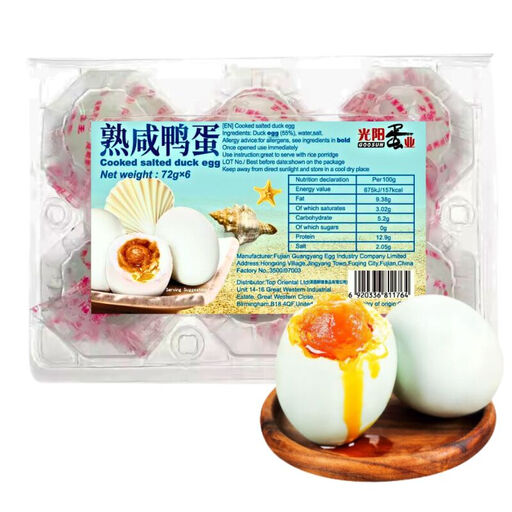
Why This Fits Their Persona: This is the perfect, no-fuss option for anyone wanting to elevate their breakfast congee or simple rice dish. They are pre-cooked and individually packed, offering maximum convenience for daily use in a UK kitchen.
It directly addresses the "chalky yolk" fear by describing a "rich, oily and sandy yolk." Being a ready-to-eat cooked product, it eliminates any confusion with raw or preserved eggs.
Individually vacuum-packed for hygiene and extended freshness. Cured with yellow clay for a traditional, rich flavour.
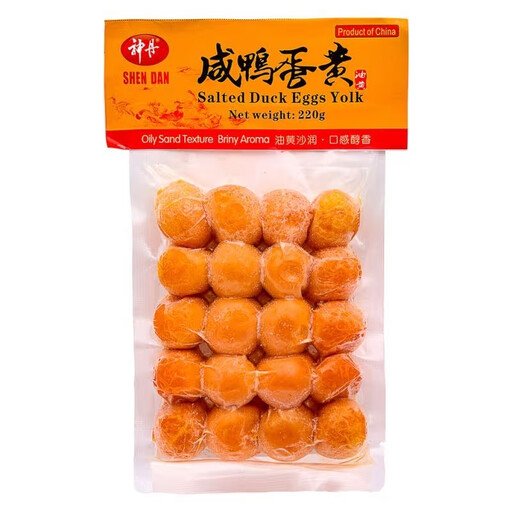
Why This Fits Their Persona: For those tackling recipes like mooncakes, zongzi or yolk-filled pastries, this product is ideal. It provides only the yolks, saving time and waste. The frozen format ensures they are fresh and ready for cooking when you are.
By being a "yolk only" product, it completely removes the risk of buying the wrong format. The description's focus on the "oily and sandy texture" assures bakers they are getting the right quality for their creations.
High convenience for baking and cooking. Contains up to 98% fresh duck egg yolk, ensuring a rich, authentic flavour.
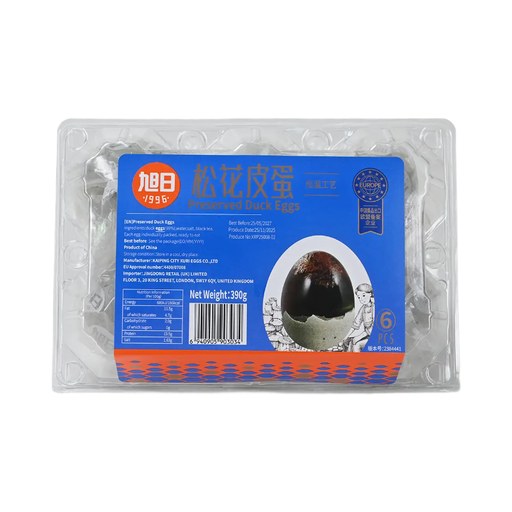
Why This Fits Their Persona: For those looking to explore beyond standard salted eggs, these preserved duck eggs (century eggs) offer a completely new flavour profile. They are perfect for creating classic cold appetisers or adding a unique touch to congee or tofu dishes.
This product is clearly identified as a "preserved" egg, preventing the common mix-up. The description of a "firm and smooth" white and "delicate and creamy" yolk sets accurate expectations for its unique texture and taste.
Ready to eat after shelling. Fermented with black tea for a rich, complex flavour without off-odours.
We have compiled a complete, real-time list of products that fully satisfy these strict selection criteria and UK safety regulations.
A salted duck egg is cured in salt brine, resulting in a firm, salty white and a rich, orange-red yolk with a sandy texture. A century egg (or preserved duck egg) is cured in an alkaline mixture, which gives it a gelatinous, dark-coloured white and a creamy, dark green yolk with a strong, unique flavour. They are two distinct Asian food ingredients and are not interchangeable in recipes.
Always check the packaging. Most commercially produced cooked duck eggs are shelf-stable and can be stored in a cool, dry place like a pantry. However, once the vacuum seal is broken or the package is opened, they should be kept in the refrigerator and consumed within a few days. Frozen salted duck egg yolks must be kept in the freezer until ready for use.
Yes, products labelled as "cooked" or "ready to eat" can be consumed directly after shelling. They do not require any further cooking and are a convenient addition to meals.