Choose a laptop whose exact display brightness and reflection treatment suit your window-side desk, then size its memory and storage for your largest intended sample project. Spitfire Audio generally recommends 16GB of RAM and suggests 32GB or more for large orchestral templates; before choosing macOS or Windows, confirm support for your DAW, plug-ins and audio interface.
Who needs which checks?
Window-side music producer
If you edit samples beside a bright window, compare the selected laptop’s stated display brightness and surface treatment before relying on its processor specification. Apple and ASUS publish display details that vary by model or configuration.
Growing sample-library composer
If projects keep many sampled instruments and plug-ins ready, plan memory and SSD capacity around the largest template you expect to use. Spitfire Audio distinguishes its general 16GB RAM recommendation from guidance of 32GB or more for large orchestral templates.
Windows workflow builder
If your work depends on particular Windows plug-ins, interface drivers or external drives, check software support and ports on the exact laptop configuration, not just its product-family name.
What matters when choosing?
For a sample-library desk beside a bright window, establish that you can read the display comfortably, then plan project capacity and confirm that your existing music-production tools will work.
| Concern | What to check | Who this matters to |
|---|
| Window-side readability |
Check the exact configuration’s stated SDR brightness and screen finish. Consider whether you can reposition the screen or shade the window. |
When daylight falls across my desk, I need to read small library controls without fighting reflections; around 40% of consumers put window-side readability first. |
| Project and library capacity |
Plan RAM around your largest template and check available SSD space for the library. Spitfire Audio suggests 32GB RAM or more for large orchestral templates and recommends SSDs for streamed samples. |
If several sampled instruments must remain ready in one project, I need room for the template and its files; capacity is the primary concern for roughly 40% of consumers. |
| Workflow compatibility |
Confirm your DAW version, essential plug-ins, library manager and audio-interface drivers support the chosen operating system; check ports for external storage. |
My existing software and interface have to work with the new laptop, even if its display and capacity appeal to me; about 20% of consumers prioritise that compatibility. |
Mistakes to avoid
-
Buying only to the DAW’s minimum requirement
A minimum needed to run software does not describe the demands of your largest sampled-instrument project. Ableton recommends 16GB RAM or more for Live, while Spitfire Audio suggests 32GB or more for large orchestral templates.
List the instruments, effects and tracks you expect to keep active together, then choose memory for that working project.
-
Planning memory but not sample storage
Spitfire Audio recommends an SSD for streamed samples. Internal capacity alone may not accommodate a growing library alongside the operating system and applications.
Work out where the active library will live and check the laptop’s connections if you intend to use an external SSD.
An external SSD and a suitable cable or hub may become part of the setup.
-
Assuming every model in a family has the same screen
ASUS lists differing brightness levels and surface treatments within the ProArt P16 H7606 family. An anti-glare description also does not, by itself, establish how bright a display will be.
Record the precise model or SKU and check its stated SDR brightness and screen finish before ordering for a window-side desk.
-
Assuming the listed laptop includes every accessory
What comes in the package can affect whether you can use the laptop as planned on arrival.
Check the final product page for included power equipment, the exact configuration and the seller’s return instructions.
Relevant brands to consider
Apple
MacBook Pro is a macOS option to investigate if window-side display brightness and configurable memory and storage matter to your workflow.
- Apple specifies up to 1,000 nits of SDR brightness in bright light for current MacBook Pro displays and lists configurations ranging from 16GB to 128GB unified memory.
- Check the chosen configuration and confirm macOS support for every required DAW, plug-in and audio-interface driver.
ASUS
The ProArt P16 H7606 is a Windows creator-laptop family with 16-inch OLED display options.
- ASUS lists different panel resolutions and anti-reflection or low-reflection treatments within the H7606 family.
- Brightness, screen finish, memory and storage vary by configuration, so check the exact H7606 model rather than applying family-level specifications to it.
Lenovo
ThinkPad P-series mobile workstations offer a Windows route to consider when configuring memory, storage and display characteristics.
- Lenovo lists the ThinkPad P16v Gen 2 configuration 21KX000NUK with 32GB DDR5 memory, a 1TB PCIe Gen4 SSD and an anti-glare display.
- That specific display is rated at 300 nits; check whether its brightness, as well as its anti-glare finish, suits your desk.
Joybuy laptops for this setup
These MacBook Pro, ProArt P16 and Exobook configurations provide different memory, storage and display starting points for sample-library work. Check the exact panel specifications for your window-side desk and confirm that your music software and audio hardware are compatible.
 No image available
Apple MacBook Pro 16.2-inch M5 Max, 18-core CPU, 40-core GPU, 48GB/2TB, Space Black
Consider this macOS configuration if your sample projects call for its listed 48GB/2TB capacity. Confirm the precise display brightness and reflection treatment for your desk, your software and interface compatibility, and what power equipment is included.
View on Joybuy
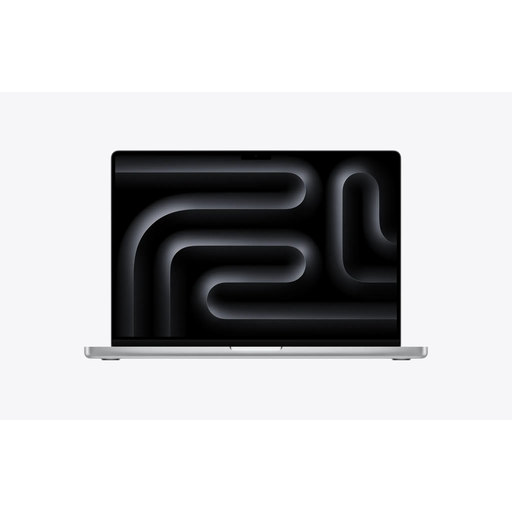 No image available
Apple MacBook Pro 16.2-inch M5 Max, 18-core CPU, 32-core GPU, 36GB/2TB, Silver
This macOS option has a listed 36GB/2TB configuration for planning a sample project and library. Check the exact screen brightness and finish for window-side work, along with support for your DAW, plug-ins and interface.
View on Joybuy
 No image available
Apple MacBook Pro 14.2-inch M5 Pro, 18-core CPU, 20-core GPU, 24GB/2TB, Silver
The 14.2-inch format and listed 24GB/2TB configuration may suit a smaller desk where the planned library fits that capacity. Confirm the exact display brightness and finish, macOS compatibility and included power equipment.
View on Joybuy
 No image available
ASUS ProArt P16 H7606WW-SE006W, 16-inch 4K OLED touchscreen, Ryzen AI 9 HX 370, RTX 5080 16GB, 64GB RAM, 2TB SSD
Consider this Windows 11 Home configuration if your sample-library plan calls for its listed 64GB RAM and 2TB SSD. Its OLED description alone does not establish window-side readability: check this model’s stated brightness and surface treatment, plus software and interface compatibility.
View on Joybuy
 No image available
Stormforce Exobook 16 QHD+, Ultra 9, 32GB/4TB, 5080
The listed 32GB/4TB configuration is worth assessing if your working library needs substantial capacity. Check the display brightness for your window-side position, the operating system and audio-software compatibility, and the supplied power adapter.
View on Joybuy
Common questions
What is a sensible starting specification for a sample-library laptop?
Start by considering 16GB RAM and SSD storage, then size both for your actual projects rather than treating that figure as sufficient for every library. Spitfire Audio generally recommends 16GB RAM and suggests 32GB or more for large orchestral templates; Ableton recommends at least 16GB for Live and notes that project demands vary with tracks and plug-ins.
Will any OLED laptop work well beside a bright window?
No: OLED alone does not tell you the selected laptop’s SDR brightness or how its screen handles reflections. ASUS lists differing panel treatments within the ProArt P16 H7606 family, so check the exact configuration and consider how light reaches your desk.
Should I keep samples on an internal or external SSD?
Choose either location according to the capacity you need and the connections available, but plan for an SSD when streaming active samples. Spitfire Audio recommends SSD storage for this work and identifies an external SSD as an option as libraries grow.
What should I confirm before ordering the laptop online?
Confirm the exact configuration, included power equipment and the seller’s cancellation instructions on the final product page. A change-of-mind cancellation is a separate issue from remedies if a laptop arrives faulty or misdescribed.


