
24/7 Customer Support

Free returns

Same-day & Next-day Delivery

Quality Guaranteed

Unlock Your Welcome Offers: FREE Delivery | Up to 80% OFF | Free 30-day JoyPlus trial
Download the APP
When you have invested in a premium television, relying on its built-in speakers is like buying a performance car and never taking it out of second gear. A high-end soundbar system promises to unlock that cinematic, immersive audio you crave. Yet, the market is filled with confusing specifications and marketing claims that can easily lead to an expensive mismatch. Before you commit, it is crucial to understand the common pitfalls that many UK buyers fall into.
As the Joybuy Product Recommendation Officer, my role is to help you navigate these choices with clarity. Let's break down the most frequent traps and what to look for instead.
To avoid these traps, focus on a few non-negotiable technical specifications. Understanding these will empower you to see past the marketing and choose a system that delivers genuine performance.
For an authentic cinematic experience with formats like Dolby Atmos and DTS:X, you need sound to come from all around and above you. A true 11.1.4 Dolby Atmos soundbar system achieves this with physical hardware. This configuration breaks down as:
Look for systems that include a soundbar with rear speakers and subwoofer and confirm that the rear speakers also have their own up-firing drivers. This physical layout is far more effective than systems that try to simulate height effects from the front bar alone.
The most sophisticated systems no longer force you to choose between your TV speakers and the soundbar. A Q-Symphony soundbar, for example, is designed to work in concert with compatible Samsung TVs. Instead of muting the television's speakers, it combines them with all the channels of the soundbar. This creates an incredibly large and cohesive front soundstage that tracks objects on screen with greater precision, making it a key consideration if you are looking for the best soundbar for a Samsung TV.
Every living room is acoustically different. The size, shape, ceiling height and even the furniture can dramatically alter how sound travels. A premium soundbar should be able to adapt. Features like SpaceFit Sound Pro use built-in microphones to analyse your room's unique properties. The system then automatically calibrates its output, adjusting the equaliser and bass response to ensure dialogue is clear, bass is powerful but not "boomy" and surround effects are precisely placed for your specific environment.
We have filtered through the options to find products that not only deliver on their promises but also align with distinct user needs.
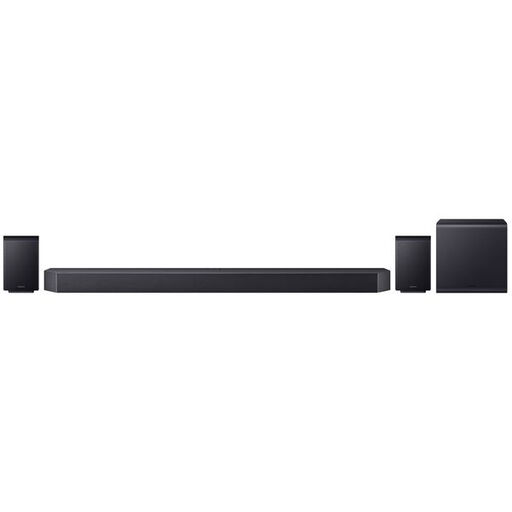
Why This Fits Their Persona: For the user who wants a no-compromise home cinema experience for their premium 4K or 8K TV. They prioritise cutting-edge technology and a truly immersive sound bubble for movies, high-end gaming and music.
This is a complete Samsung flagship soundbar package. It avoids the channel count mirage with 22 physical speakers, including up-firing drivers on the bar and the rears. It directly solves the synergy pitfall with Q-Symphony for compatible Samsung TVs.
It delivers a complete 11.1.4 channel object-based audio experience straight out of the box. The inclusion of Wireless Dolby Atmos transmission from compatible TVs reduces cable clutter behind the media unit.
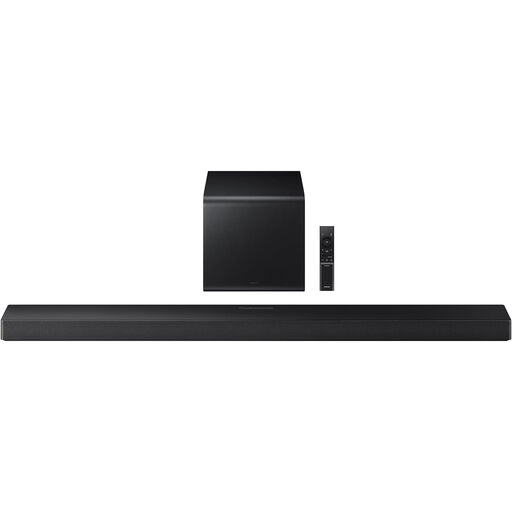
Why This Fits Their Persona: Ideal for someone who values both powerful audio and interior aesthetics. They want a significant Dolby Atmos upgrade in a clean, minimalist setup without the footprint of rear speakers.
It provides a true 3.1.2 channel setup with physical up-firing drivers, avoiding the virtualisation trap. It also features SpaceFit Sound Pro for room calibration and Q-Symphony, ensuring it performs intelligently and integrates perfectly with the right TV.
The unique Convertible Fit design with a gyro sensor automatically optimises sound whether it is placed on a cabinet or mounted flush to the wall. It delivers many of the flagship's smart features in a more compact form factor.
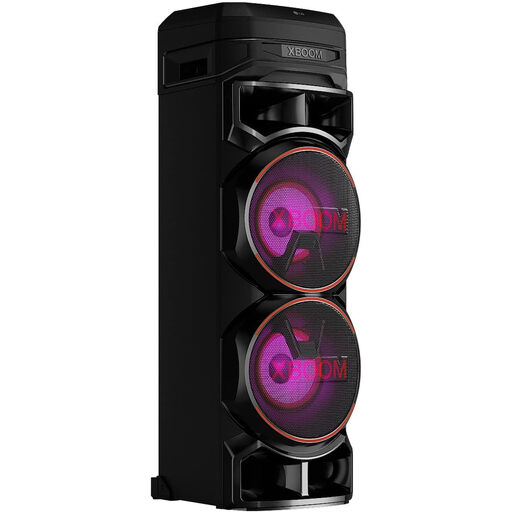
Why This Fits Their Persona: This user's priority is not cinematic surround sound, but powerful, room-filling audio for parties, gatherings and live entertainment. They want a single, robust unit for music, karaoke and even plugging in a guitar.
This speaker sidesteps the home cinema pitfalls entirely by focusing on a different goal. It doesn't make false promises about channel counts; instead, it delivers on its core purpose of high-volume stereo sound and deep bass via its dual 8-inch woofers.
It's an all-in-one entertainment hub. Features like the DJ Pad, Karaoke Star mode with voice canceller and dedicated microphone/guitar inputs provide a level of interactivity that soundbars do not offer.
We have compiled a complete, real-time list of products that fully satisfy these strict selection criteria and UK safety regulations.
The system uses wireless technology to connect the main soundbar to the subwoofer and the two rear speakers, which removes the need to run speaker cables across your living room. However, each of the four components (soundbar, subwoofer, left rear and right rear) must be plugged into a mains power socket to function. The "Wireless Dolby Atmos" feature specifically refers to its ability to receive the high-quality audio signal from a compatible 2022 or newer Samsung TV via your home's Wi-Fi network, which can eliminate the need for an HDMI cable between the two.
Yes, the Q-Symphony feature is an exclusive technology that requires a compatible Samsung TV. When you connect the HW-Q990H to a television from a different manufacturer, it will operate as a standard, high-performance soundbar system. The TV's speakers will mute, and all audio will be handled by the soundbar, subwoofer and rears, still providing the full 11.1.4 channel experience.
A high-end wireless home cinema system is a significant investment built with quality components. With proper care—such as keeping it clean, ensuring adequate ventilation and using a surge protector—you can reasonably expect it to provide excellent audio for many years, often 7-10 years or even longer. Its functional lifespan is more likely to be determined by future changes in audio formats and connection standards (like new HDMI versions) rather than by hardware failure.