
24/7 Customer Support

Free returns

Same-day & Next-day Delivery

Quality Guaranteed

Unlock Your Welcome Offers: FREE Delivery | Up to 80% OFF | Free 30-day JoyPlus trial
Download the APP
Choosing sanitary pads is rarely as simple as picking the cheapest pack on the shelf. Length, absorbency, wings, materials and packaging can all affect comfort and leakage protection. Marketing language can also make similar-looking products appear very different.
Whether you need discreet daytime period pads, dependable night pads or an alternative such as reusable period pants, the right choice should match your flow, underwear and daily routine.
A longer sanitary towel may provide more front or back coverage, but length alone does not tell you how much fluid the absorbent core can hold. Similarly, an ultra-thin sanitary pad may feel less bulky but may not be suitable for heavy flow.
Check the product’s stated size, intended use and absorbent-core description together. For overnight use, look for extra coverage at the back, especially if you move around while sleeping.
Terms such as cotton sanitary pads, soft cotton topsheets and organic sanitary products can refer to only one layer. The absorbent core, backing and adhesive may contain other materials.
Read the materials or ingredients listed on the pack. Some products use a cotton or bamboo topsheet while also containing cellulose pulp, superabsorbent polymers or polyethylene layers. This does not automatically make them unsuitable, but it helps you compare products accurately.
A large pack can reduce the cost per pad, but only if the size suits your needs. Purchasing a bulk pack of normal pads when you regularly experience heavier flow may lead to more frequent changes and unnecessary waste.
A practical period-care drawer usually includes more than one format: normal or long pads for daytime, night pads for sleeping and panty liners for very light discharge or end-of-period days.
Match the product to your usual flow rather than relying only on generic labels such as “normal” or “heavy”. Consider:
Flow can change during a period, so having two or three sizes available may be more useful than using one product throughout.
Winged sanitary pads fold around the sides of underwear and can help reduce movement and side leakage. They need enough width on the underwear gusset to fold securely. If the wings do not adhere properly, the pad may bunch or shift.
For close-fitting clothing, ultra-thin sanitary pads can feel less noticeable. However, a slim profile should not replace suitable coverage. Check the dimensions and intended flow level before prioritising discretion.
If skin sensitivity is a concern, compare fragrance-free options and review the listed materials. A cotton topsheet may feel soft, while bamboo or other plant-based layers may appeal to shoppers seeking alternatives to conventional materials. “Organic” and “biodegradable” claims should be checked against the packaging and any relevant certification rather than assumed from the product name.
Disposable pads and tampons should be wrapped and placed in household waste. Do not flush them down the toilet, as they can contribute to blockages. Reusable products require washing according to the manufacturer’s instructions, including avoiding fabric softener where it may affect absorbency.
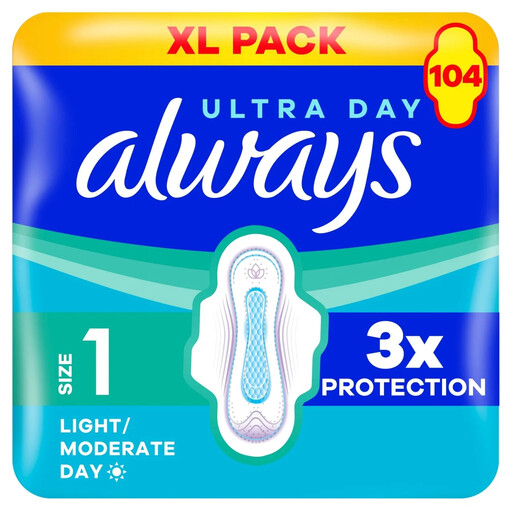
Why This Fits Their Persona: A large 104-pad pack suits shoppers who want a familiar ultra-thin format for regular daytime flow and fewer repeat purchases.
The normal Size 1 specification makes the intended daytime use clearer than choosing by pack size alone.
104 individual pads; ultra-thin construction; adhesive backing for positioning.
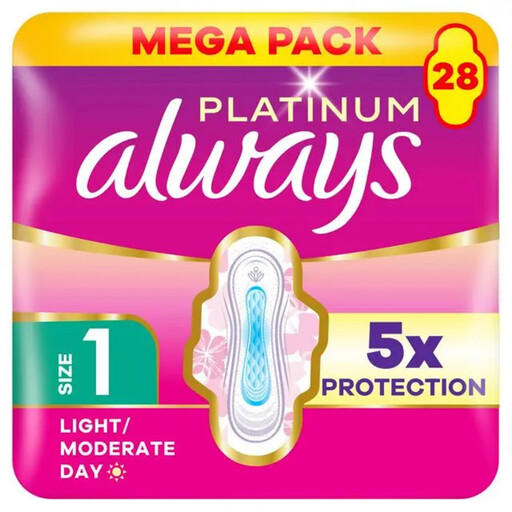
Why This Fits Their Persona: Suitable for those who prioritise a soft surface, a slim daytime profile and extra hold during commuting or movement.
The product combines the stated normal Size 1 format with wings, rather than leaving fit to an unverified softness claim.
28 individually supplied pads; wings; ultra-thin breathable design.
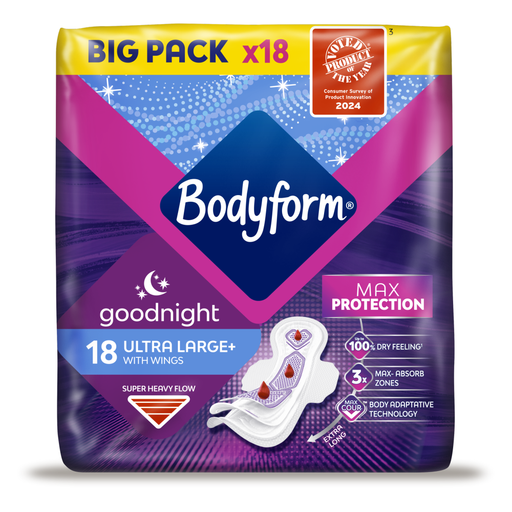
Why This Fits Their Persona: The extra-long profile is designed for overnight use, making it a practical option for heavier flow or people who want more front and back coverage while sleeping.
It specifies extra length, wings and three absorption zones, giving more useful detail than a broad “maximum protection” slogan.
18 individually wrapped pads; extra-long night format; wings and extended coverage.
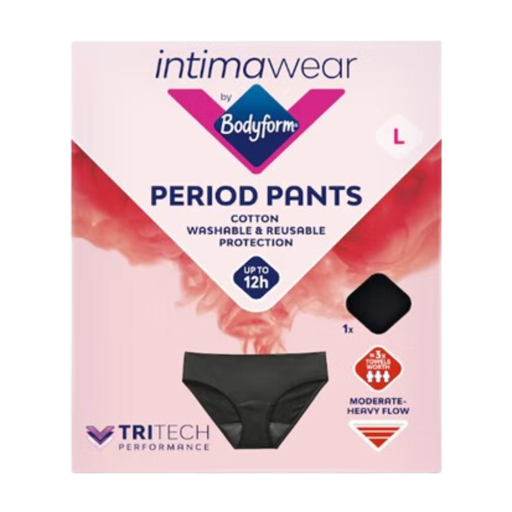
Why This Fits Their Persona: A washable option suits shoppers prepared to rinse and machine-wash period underwear as part of a reusable period-care routine.
The care instructions and size L format make the ongoing washing commitment and fit requirements clear before purchase.
Reusable cotton underwear; three-layer gusset; machine wash at 40°C; one pair supplied.
We have compiled a complete, real-time list of products that fully satisfy these strict selection criteria and UK safety regulations.
Sanitary towels are worn externally and are often straightforward for first-time users. Tampons sit inside the vagina and can be convenient for swimming or sport, but users should follow the absorbency guidance and change them within the recommended time. Natracare Regular Tampons, for example, are made with certified organic cotton and are intended for light to medium flow; the pack warning includes information about Toxic Shock Syndrome.
Washable period underwear can reduce reliance on disposable products, but it requires access to laundry facilities and enough pairs to cover the days between washes. For many people, combining reusable period pants with disposable pads provides flexibility.
Change a pad when it feels full, damp or uncomfortable, and follow the product instructions. Many daytime products suggest changing regularly rather than waiting for leakage. Overnight pads should be changed in the morning or sooner if required by your flow.
Longer pads can provide additional front and back coverage, but length is not the same as absorbency. For heavy flow, compare the stated use, core design, wings and overall dimensions. If leakage continues despite correctly positioning the pad, consider a larger or specifically overnight format.
Disposable pads generally have a shelf life stated on the packaging. Store them in a cool, dry place away from direct sunlight and humidity. Before use, check the pack for the expiry date, batch details and any updated materials or safety information.