
24/7 Customer Support

Free returns

Same-day & Next-day Delivery

Quality Guaranteed

Unlock Your Welcome Offers: FREE Delivery | Up to 80% OFF | Free 30-day JoyPlus trial
Download the APP
Choosing satin paint for a UK decorating project can look straightforward until you compare tin sizes, drying times, surface compatibility and paint types. A finish described as satin may be intended for interior woodwork, exterior maintenance or multiple materials, and using the wrong formula can lead to poor adhesion, visible brush marks or unnecessary preparation.
This guide explains the practical details to check before buying, followed by product recommendations matched to different decorating needs.
Satinwood paint is commonly made for interior wood and metal, such as doors, skirting boards and window frames. It may not be suitable for tiles, plastics, masonry or exterior garden furniture.
If you are painting uPVC, ceramics, glazed tiles or mixed materials, look for an all-surface paint that specifically lists those substrates. For radiators, select a product that states it is suitable for metal and always apply it to a cool, prepared surface.
A paint and primer in one can reduce the need for a separate primer on suitable surfaces, but it does not remove the need to clean, dry, lightly sand or repair the substrate. Grease, loose paint, rust and silicone residue can still affect adhesion.
Read the product instructions carefully, particularly when painting glossy previously coated surfaces, bare timber, corroded metal or exterior materials.
A 750ml satin paint tin can be practical for a door, furniture project or touch-up work. Larger jobs, such as several rooms of woodwork, may require a 2.5 litre satin paint tin. Coverage varies with porosity, texture, colour changes and the number of coats required.
Also compare water-based and solvent-based formulas. Quick-dry satin paint is useful when you need to recoat within the same day, while solvent-based products may require stronger ventilation and longer curing before heavy use.
For interior projects, check whether the product is intended for interior satin paint applications on wood and metal. Typical uses include:
For outdoor projects, choose exterior satin paint with stated suitability for weather-exposed wood, metal, PVCu or masonry. A product designed for both interior and exterior work can be convenient, but preparation and application conditions remain important.
Satin normally provides a mid-sheen finish between matt and gloss. It reflects some light while offering a softer appearance than high-gloss paint. For hallways, kitchens and other areas subject to regular contact, look for a washable satin finish or wording that describes the coating as wipeable and hardwearing.
Do not assume that “washable” means scrub-resistant under every condition. Allow the paint to dry and cure according to the label before cleaning, and use a soft cloth with mild soapy water unless the manufacturer advises otherwise.
Drying times depend on temperature, humidity, airflow, film thickness and the surface underneath. For example, Dulux Quick Dry Satinwood is listed as touch dry in 1–2 hours, with recoating in 4–6 hours. Rust-Oleum Universal products supplied in the reference range state touch-dry times of 30–60 minutes at 20°C and a 4-hour recoat time.
Water-based products generally allow brush cleaning with warm, soapy water. Solvent-based paint requires careful ventilation during application and drying, with protective gloves and eye protection recommended. Always follow the container and safety data sheet, particularly if spraying.
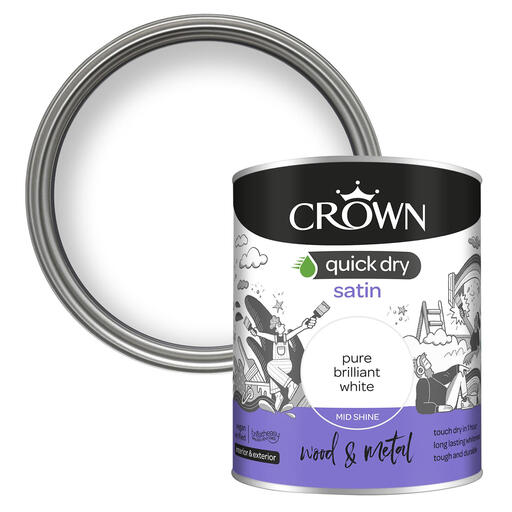
Why This Fits Their Persona: A practical choice for smaller interior or exterior wood, metal and PVCu jobs where a wipeable Brilliant White finish and water-based application are preferred.
Its product description specifies quick-dry, wipeable and non-yellowing characteristics, helping shoppers compare function rather than relying only on the word “satin”.
Water-based formula; suitable for interior and exterior wood, metal and PVCu.
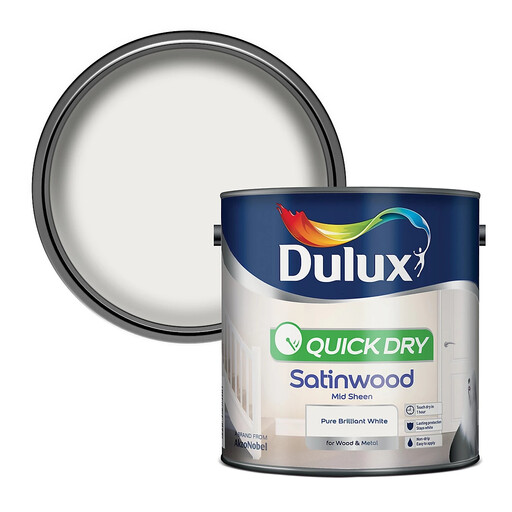
Why This Fits Their Persona: Suitable for larger indoor wood and metal projects, including multiple doors, skirting boards, hallways and radiators when cool.
The stated 2.5 litre size supports better planning for extensive woodwork, while the listed recoat window makes the schedule easier to estimate.
Touch dry in 1–2 hours; self-undercoating on most previously painted surfaces.
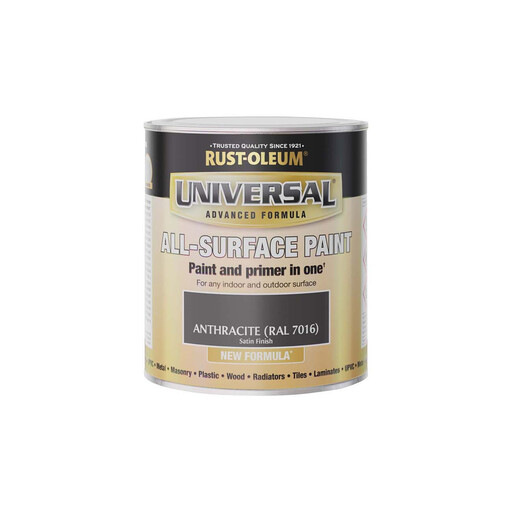
Why This Fits Their Persona: Designed for decorators and upcyclers working across wood, metal, masonry, plastics, tiles, radiators, uPVC and ceramics indoors or outdoors.
The listed substrate range makes its intended versatility clearer than choosing a standard satinwood product for a difficult surface.
Paint-and-primer formulation; stated coverage of up to 9 square metres per litre per coat, depending on the surface.
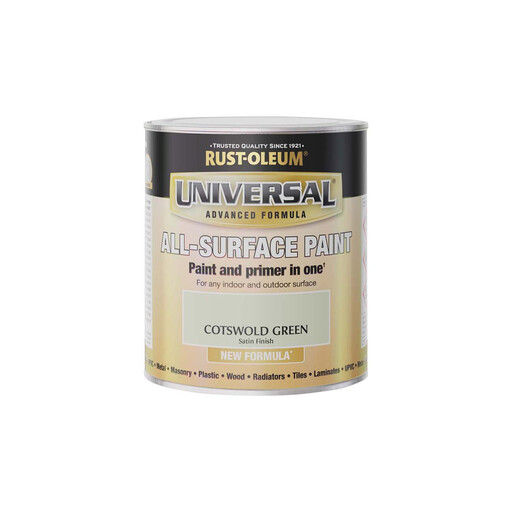
Why This Fits Their Persona: A 750ml option for adding a botanical green satin finish to furniture, front doors, garden items, trim and decorative pieces.
Its stated interior and exterior use, mixed-surface compatibility and surface-test advice help reduce the risk of buying a colour-led product without checking application needs.
Portland Stone, Cotswold Green and other listed shades support coordinated decorating; solvent-based coating is stated as weather and corrosion resistant.
Before applying satin paint:
For a classic bright finish, Brilliant White satin paint remains a practical choice for trim and woodwork. Darker shades such as satin black or anthracite can create contrast on doors, furniture and metalwork, while neutral shades such as Portland Stone or Misty Grey suit broader interiors.
We have compiled a complete, real-time list of products that fully satisfy these strict selection criteria and UK safety regulations.
Yes, products specifically labelled for interior wood and metal are commonly used for paint for doors and skirting boards. Check whether the formula is self-undercoating, whether a separate primer is needed and how many coats are recommended.
Some products are listed as paint for radiators, but the radiator should be switched off, cool, clean and properly prepared before painting. Check the product label for heat and metal-surface suitability, and maintain ventilation while the coating dries.
The service life depends on preparation, surface movement, moisture, sunlight, contact and cleaning. A hardwearing finish applied to a sound, correctly prepared surface should generally perform more reliably than paint applied over grease, rust or loose coating. Inspect exterior and high-contact areas periodically and touch up when wear becomes visible.