
24/7 Customer Support

Free returns

Same-day & Next-day Delivery

Quality Guaranteed

Unlock Your Welcome Offers: FREE Delivery | Up to 80% OFF | Free 30-day JoyPlus trial
Download the APP
By Joybuy Product Recommendation Officer
Choosing sauces and dressings can seem straightforward until you compare bottle sizes, ingredients, allergens, storage instructions and intended uses. A sauce suitable for dipping may not work well as a marinade, while a large family bottle can become wasteful if it needs using within a few weeks of opening.
This guide highlights common buying pitfalls and explains which details matter when selecting sauces and dressings for everyday meals, BBQs and international cooking.
A BBQ sauce may work as a dip, glaze or marinade, but sugar-rich sauces can catch quickly over high heat. They are often more suitable when brushed on during the final stage of grilling or roasting. For marinating, check whether the instructions specifically mention meat, vegetables or seafood.
Similarly, a salad dressing such as Italian dressing or a light house dressing is designed to be served cold or added after cooking. It may not provide the thickness or heat stability required for a glaze.
Words such as “smoky”, “authentic”, “sticky” or “bold” describe taste expectations rather than measurable standards. The ingredients list gives more useful information. Tomato, vinegar, soy sauce, fruit purée, chillies and spices each create a different flavour base.
For instance, a Japanese sauce may be citrus-led, sweet and savoury, while a Korean BBQ sauce commonly combines soy, garlic and sugar. A jerk BBQ sauce can include Scotch Bonnet chilli, allspice and thyme, creating a noticeably hotter profile.
A 910g bottle of tomato ketchup may suit a busy household, but smaller bottles can be more practical for occasional use. After opening, many products need refrigeration and should be consumed within a stated period. This is particularly important for dressings containing oils, egg or fresh-style ingredients.
Always check the best-before date, storage instructions and recommended use-after-opening period on the packaging.
UK food labels must identify regulated allergens using clear emphasis, commonly bold type. Depending on the recipe, check for:
Recipes and formulations can change, so read the current label before purchase and use.
Sauces are usually used in small quantities, but nutritional values still help with comparisons. For example, the listed Heinz Sticky Barbecue Sauce contains 39g of sugars per 100g, while the CJ Beef BBQ Sauce lists approximately 3.2g of salt per 100g. Obento Ponzu Sauce lists approximately 8g of salt per 100ml, making portion size particularly relevant.
These figures do not determine whether a product suits your diet, but they make it easier to compare options and use high-sugar or high-salt condiments thoughtfully.
Match quantity to household habits:
Also check whether the sauce is ready to use, requires dilution or needs shaking before serving.
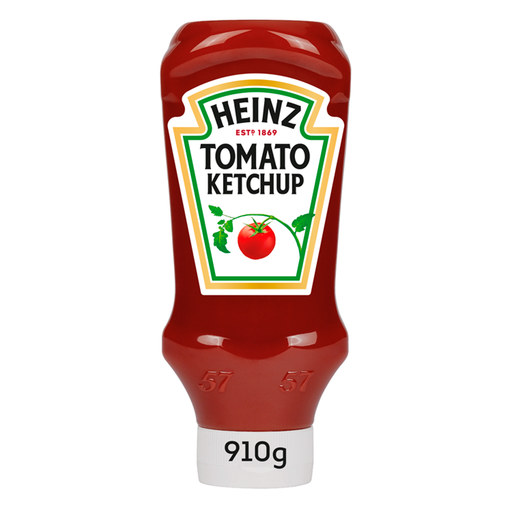
Why This Fits Their Persona: A familiar everyday condiment for households serving burgers, chips, sandwiches and family meals regularly.
The 910g format makes the quantity clear, while the label provides per-100g and per-serving nutrition information. Refrigerate after opening and use within 8 weeks.
Top-down bottle format; contains celery, so the allergen is clearly relevant to check before serving.
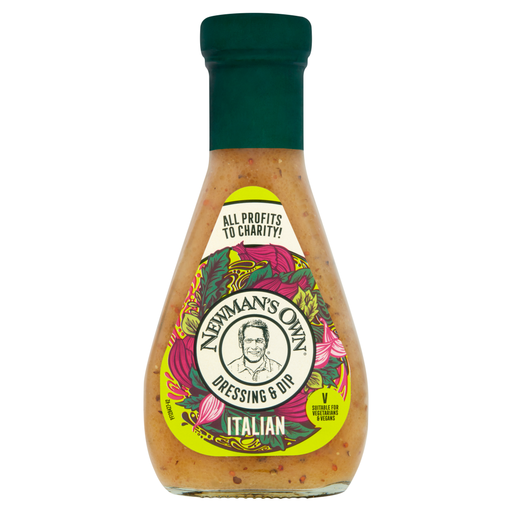
Why This Fits Their Persona: Suitable for shoppers wanting one dressing for salads, pasta, grilled vegetables and marinades.
The ingredient list identifies olive oil, red wine vinegar, mustard seeds and celery seeds, so buyers can judge flavour and allergen suitability rather than relying on general marketing language.
Suitable for vegans and vegetarians; refrigerate after opening and use within 4 weeks.

Why This Fits Their Persona: Designed for home cooks preparing Korean-style BBQ, bulgogi-inspired dishes, grilled meats and stir-fries.
The usage guidance states that it can be used for marinating, glazing and dipping, with heating recommended for glazing. This is more useful than choosing a sauce based only on a smoky or authentic flavour claim.
500g jar; contains soy and wheat, with possible traces of sesame and nuts listed in the product information.
We have compiled a complete, real-time list of products that fully satisfy these strict selection criteria and UK safety regulations.
For traditional British meals, compare brown sauce options such as HP Brown Sauce Top Down 450g, Daddies Squeezy Brown Sauce 400g and Sauce Shop Brown Sauce 330g. Their ingredient lists include combinations such as vinegar, tomatoes, dates, tamarind, molasses and spices, but the quantities and allergen information differ.
For international cooking, consider:
A sauce may be served as a dip, topping or cooking ingredient. A marinade is formulated for soaking ingredients before cooking, while a dressing is generally poured over salads or cold foods. Some products serve several purposes, but always follow the label instructions, particularly when raw meat is involved.
There is no single timeframe. Examples in this selection range from 4 weeks for Newman's Own Italian Dressing to 8 weeks for Heinz Tomato Ketchup and 3 months for CJ Beef BBQ Sauce. Refrigerate products when instructed, keep caps tightly closed and follow the date and usage guidance on the bottle.
Yes, many can be used beyond their traditional dishes. Ponzu can season noodles or salads, teriyaki marinade can flavour vegetables and okonomi sauce can work with grilled meat or chips. Check salt, sugar and allergen information first, then begin with a small amount so the flavour can be adjusted.