Weekly casserole batch cooks
If you usually cook one large casserole at a time, focus on dish fit, usable shelf positions and cleaning after sauce splashes. A single cavity may cover your routine.


Choose a full-size single fan oven if one large casserole dish is usually your main load. A double oven becomes useful when you regularly cook another dish in a separate cavity, but it needs suitable housing and an electrical connection that meets the exact model’s requirements. Whichever format you choose, check your dish against the usable cavity space rather than relying on capacity in litres alone.
If you usually cook one large casserole at a time, focus on dish fit, usable shelf positions and cleaning after sauce splashes. A single cavity may cover your routine.
If the casserole often cooks alongside a side dish, dessert or grilled item needing separate timing or temperature, two cavities may be more useful than extra shelves in one.
If you are replacing a built-in oven, measure the cabinet opening and check the new model’s connection requirements before comparing cooking features.
Choose it when: One casserole dish is normally the main oven load.
Trade-off: Dishes needing different oven temperatures cannot cook independently in its single cavity.
Choose it when: You regularly prepare the casserole and another dish in separate cavities.
Trade-off: It needs housing and an electrical installation suited to the exact model; it is not necessarily a direct replacement for a single oven.
For batch-cooked sausage casserole, check whether your usual dish fits first, then decide whether separate cooking space, easier cleaning or installation constraints should drive the choice.
| Concern | What to check | Who this matters to |
|---|---|---|
| Practical cavity space | Measure the dish including its handles and lid; check internal dimensions, shelf positions and door clearance. | I need the whole batch to fit in my usual lidded dish without obstructing the shelf or door. Around 36% of consumers would put dish and cavity fit first. |
| Separate cooking zones | Compare the number and size of cavities, rather than treating additional shelves as a second temperature zone. | When the casserole is cooking, I want to prepare another dish at its own temperature. Separate-cavity flexibility would be the main concern for around 29% of consumers. |
| Cleaning after batch cooking | Check the exact model’s cleaning system and which parts of the oven it covers. | Frequent saucy dishes make the cleanup routine a deciding factor for me. Around 21% of consumers would prioritise cleaning effort. |
| Kitchen and electrical fit | Compare the installation diagram, connection method and rated load with your cabinet and electrical supply. | I am replacing an oven and need to avoid choosing one my kitchen cannot accommodate or connect safely. Installation and electrical fit would come first for around 14% of consumers. |
Height can change substantially with oven format: AEG lists built-in dimensions of 590 × 560 × 550 mm for its GA5CB50FAB single oven, while the Beko BBXDF21000S double oven is listed at 89 cm high.
Measure the cabinet opening and compare it with the exact model’s installation diagram, including its specified clearances.
Changing from single- to double-oven housing may involve cabinet work.
A 4200 W load and hard-wiring are specified for the Beko BBXDF21000S. Electrical Safety First advises checking an oven’s power requirements and having it fitted by a qualified electrician.
Before ordering, confirm the model’s connection method and rated load, and have the existing circuit assessed for suitability.
Cavity volume does not establish whether a lidded casserole dish, including its handles, will fit at a useful shelf position.
Measure the dish’s outside dimensions and compare them with internal measurements and door clearance, or inspect the oven in person.
A cleaning feature addresses maintenance, not whether the oven cooks evenly. Which? assesses cleaning and aspects of cooking performance separately in its oven testing.
Check the cleaning system for the exact model, then assess cooking functions and relevant independent performance evidence separately.
These model examples illustrate features worth checking; a feature specified for one oven should not be assumed across its brand’s range.
Consider the HBS573BS0B as an example of a 60 × 60 cm built-in oven with a specified cleaning option.
The B3ACE4AG3B is a 60 × 60 cm single-oven example for cooks considering multiple shelves.
The GA5CB50FAB illustrates a single-cavity option with stated capacity and installation dimensions.
The BBXDF21000S is a double-oven example for cooking a casserole alongside a separate dish.
These built-in single and double ovens offer choices for cooking one casserole or preparing it alongside another dish. Check each model’s dish fit, housing and electrical requirements before deciding.
 No image available
Consider this built-in double oven if you want to cook a casserole while preparing another dish separately. Check that its installation position, electrical requirements and usable cavity dimensions suit your kitchen and casserole dish.
 No image available
This double-oven format is worth considering when another dish needs its own cavity while the casserole cooks. Its stated 90 cm format makes cabinet fit especially important; also check dish clearance and the model’s electrical installation instructions.
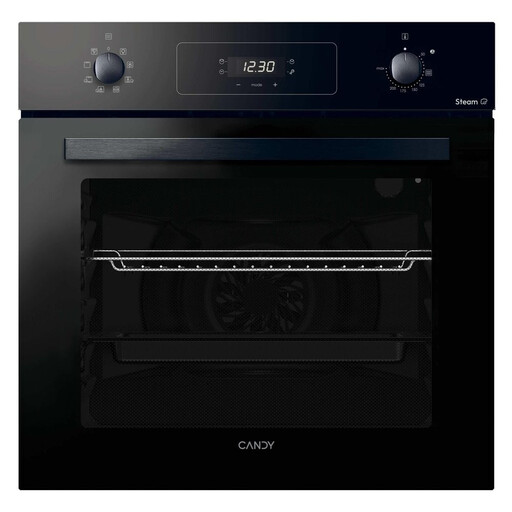 No image available
A single-cavity option if one casserole is normally your main oven load. The stated capacity is 65 L, but check your dish against the usable space and confirm the connection method in the installation instructions.
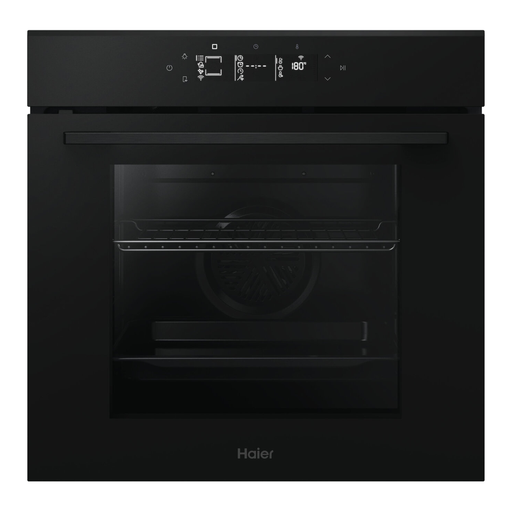 No image available
Consider this single-cavity model if space for one large casserole is your priority. Its stated capacity is 78 L; check dish clearance, and confirm the available cooking modes if fan cooking matters to you.
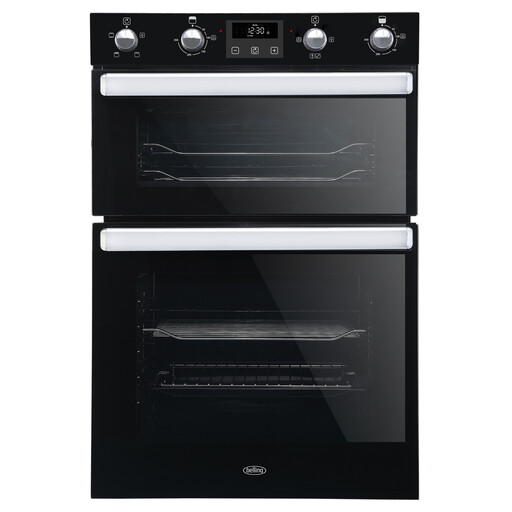 No image available
The double-oven layout is relevant if you often cook a casserole alongside another dish. Before choosing it, check your casserole dish against the usable cavity dimensions and confirm cabinet fit and electrical requirements.
No, not if one casserole dish is normally your main load and it fits a suitable single oven. Consider a double oven when another dish regularly needs a separate cavity; check the taller housing and electrical requirements before switching formats.
Check the exact model’s connection instructions before purchase and arrange installation accordingly. Electrical Safety First advises having an oven fitted by a qualified electrician and reviewing its power requirements; the Bosch HBS573BS0B and NEFF B3ACE4AG3B specify electrical connection by an electrician.
Compare the model-specific energy information shown at the point of sale for ovens within the applicable labelling rules. UK government guidance requires an energy label to be displayed in shops or online for products in scope; check the information for each model rather than assuming that cavity size alone predicts energy use.
Cool and store them promptly rather than leaving them in the oven. For food batch-cooked for a baby, NHS guidance advises cooling it ideally within 1 to 2 hours, then refrigerating or freezing it; follow food-safety guidance appropriate to the ingredients and people being served.