
24/7 Customer Support

Free returns

Same-day & Next-day Delivery

Quality Guaranteed

Unlock Your Welcome Offers: FREE Delivery | Up to 80% OFF | Free 30-day JoyPlus trial
Download the APP
Buying a Sauvignon Blanc case deal can be convenient and economical, whether you are planning a dinner party, stocking the drinks cupboard or arranging bottles for a celebration. However, a case is only useful if the bottle format, flavour style and alcohol content suit the occasion.
The phrase “case deal” can also create confusion. Some listings contain six standard 75cl bottles, while others may contain smaller 187ml servings or a different quantity. Before ordering, check the product page carefully rather than assuming every case follows the same format.
A Sauvignon Blanc 6 bottle case usually means six 75cl bottles, but not every case deal uses this format. Smaller single-serve bottles can be useful for individual portions, yet they offer a different value calculation and may not suit a large gathering.
Compare:
A Marlborough Sauvignon Blanc case is often associated with citrus, passion fruit, gooseberry and fresh herbal notes. However, regional style is not a guarantee that every bottle will taste identical. Vintage, producer, alcohol level and winemaking choices can all affect the final profile.
A New Zealand Sauvignon Blanc may suit drinkers who enjoy pronounced acidity and tropical or herbaceous flavours. Australian Sauvignon Blanc can offer a softer, fruit-led style, while French Sauvignon Blanc may be more restrained, citrus-driven or mineral in character. Read the product description and alcohol information together instead of relying on the country name alone.
Alcohol percentages vary considerably across a Sauvignon Blanc selection. Examples in the available range include 10%, 11%, 12.5%, 13%, 13.5% and 14% ABV. A 75cl bottle at 14% ABV contains more alcohol than one at 10%, even if both are the same size.
Wine commonly contains sulphites, which must be considered by people with a sensitivity or allergy. Vegetarian and vegan suitability can also vary, so check the listing or contact the producer where the information is not confirmed.
For entertaining, standard 75cl bottles are generally more practical. One 75cl bottle provides approximately six 125ml glasses, although serving sizes vary. Smaller 187ml bottles can help reduce opened-bottle waste and are convenient for picnics, packed lunches or controlled individual portions.
If you want to buy Sauvignon Blanc in bulk, calculate how many guests you are serving and whether other drinks will be available. For a mixed drinks table, a six-bottle case may be more than sufficient for a small dinner but less suitable for a larger celebration.
The number of UK units can be estimated with this formula:
Bottle volume in millilitres × ABV ÷ 1,000 = units
For example, a 75cl bottle at 13% ABV contains approximately 9.75 UK units. The UK Chief Medical Officers advise that adults should not regularly exceed 14 units per week. Alcohol should be enjoyed responsibly, and people who are pregnant, trying to conceive or driving should avoid alcohol.
If you are seeking an alcohol-free Sauvignon Blanc, McGuigan Zero is listed at 0.0% vol. It is still important to check the packaging and product information, as alcohol-free wine can contain grape juice concentrate and may have a different sweetness and nutritional profile from conventional wine.
Most crisp white wines are served chilled, commonly around 8–10°C, although personal preference and style matter. Store unopened bottles in a cool, dark place away from heat and direct sunlight. Once opened, reseal and refrigerate where possible, then follow the product guidance on consumption time.
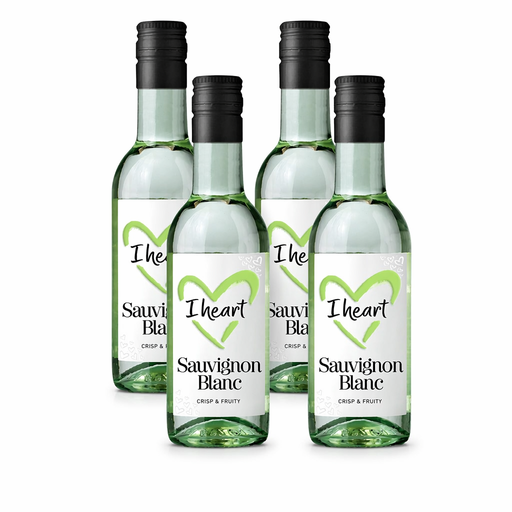
Why This Fits Their Persona: The 187ml format suits occasional drinkers, small households and casual gatherings where opening a full bottle may create unnecessary waste.
The smaller 187ml size is clearly stated, helping buyers avoid mistaking miniatures for standard 75cl bottles.
Individual serving format; listed alcohol range of 10–12% vol; suitable for portion-controlled occasions.
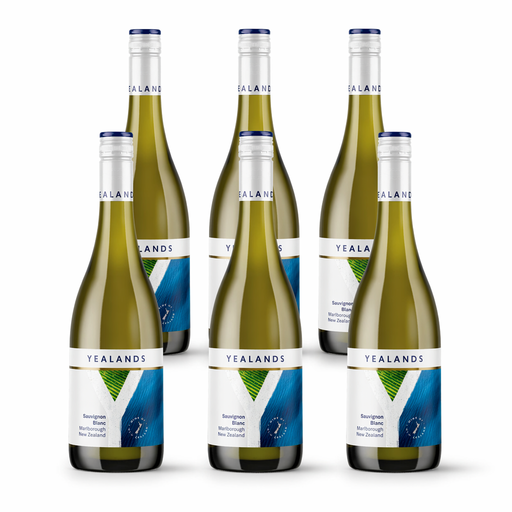
Why This Fits Their Persona: A standard 75cl Marlborough bottle offers a polished presentation for dinner parties, gifting and planned hosting.
The listing specifies the 75cl format and 13.72% alcohol content, making the choice easier to compare with similar full-size bottles.
Marlborough origin; 75cl bottle; suitable for food pairing and hosting.
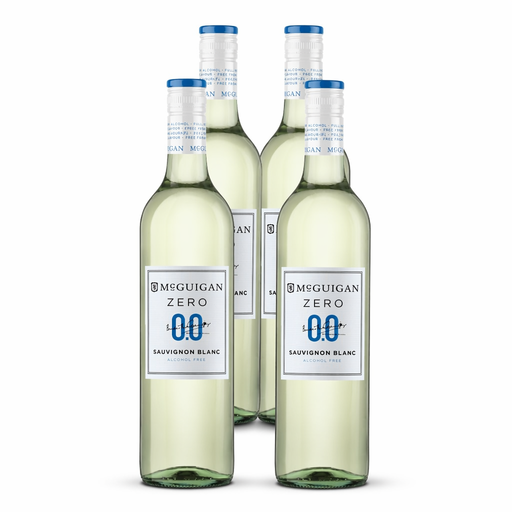
Why This Fits Their Persona: A 0.0% vol option can suit designated drivers, alcohol-free occasions and households looking for a wine-style drink without alcohol.
The product listing states 0.0% vol, helping shoppers distinguish it from reduced-alcohol wines that still contain alcohol.
0.0% ABV; 75cl format; listed energy value of 19 kcal per 100ml.
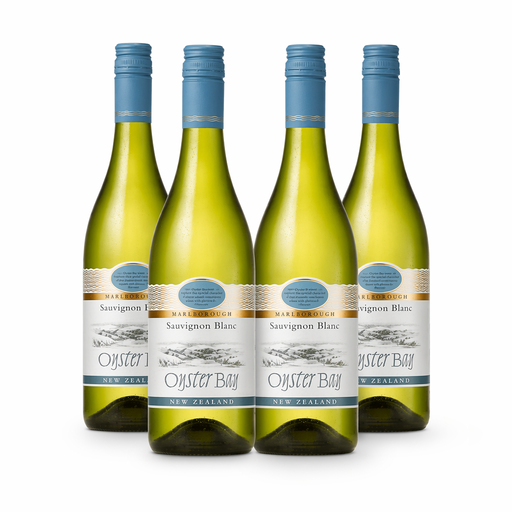
Why This Fits Their Persona: The stated six-bottle, 75cl format is practical for dinner parties, celebrations and keeping a consistent option available at home.
The net content is explicitly listed as 6 x 75cl, removing the common uncertainty around case size and bottle count.
Six standard bottles; Marlborough origin; 12.5% ABV; approximately 9.375 units per bottle.
We have compiled a complete, real-time list of products that fully satisfy these strict selection criteria and UK safety regulations.
Before placing an order, check:
A case of six standard bottles is usually more appropriate for entertaining, while smaller formats may work better for individual use. Comparing the total volume and alcohol content prevents a headline discount from disguising a less suitable purchase.
It can offer a lower price per bottle, but this depends on the promotion, bottle size and delivery charge. Calculate the cost per 75cl equivalent before ordering. A case of miniatures may contain less total wine than six standard bottles.
Unopened Sauvignon Blanc is generally intended to be enjoyed while its fresh fruit and acidity are prominent. Follow the packaging guidance and store bottles away from heat and sunlight. After opening, reseal and refrigerate; many products recommend drinking within a few days.
Crisp styles commonly pair with seafood, salads, goat’s cheese, grilled fish, light poultry and vegetable dishes. A more fruit-led bottle can also work as an aperitif. Serve chilled, then adjust according to the wine style and personal preference.