
24/7 Customer Support

Free returns

Same-day & Next-day Delivery

Quality Guaranteed

Unlock Your Welcome Offers: FREE Delivery | Up to 80% OFF | Free 30-day JoyPlus trial
Download the APP
Buying Sauvignon Blanc wine online should be straightforward, but attractive labels and broad tasting descriptions can make comparison difficult. One bottle may be a light, dry white wine for weeknight meals, while another is a strongly aromatic, fruity white wine designed for chilled serving and casual entertaining.
The main risks are not usually complicated wine terminology. They are practical buying traps:
Origin is a useful starting point, although it does not determine taste on its own.
Marlborough Sauvignon Blanc from New Zealand is commonly associated with pronounced citrus, passion fruit, gooseberry, fresh herbs and lively acidity. It can be a suitable choice if you want a crisp white wine with a noticeable aromatic character.
Australian Sauvignon Blanc can offer citrus and herbaceous notes, often in an approachable style for everyday drinking. The Hardys Nottage Hill Sauvignon Blanc, for example, is from south-eastern Australia and is described as crisp, citrusy and herbaceous.
South African Sauvignon Blanc may show zesty citrus and mineral notes. The 64 Edge Western Cape wine is made without oak influence, which allows its fresh profile to remain central.
Wines from Spain, the United States and other regions can provide softer, fruit-forward or more rounded interpretations. If you prefer a less sharp style, check the tasting description for references to melon, peach or tropical fruit rather than relying only on the grape name.
The ABV percentage tells you the alcohol concentration. The total number of UK units depends on both ABV and bottle size. A 75cl bottle at 13% ABV contains approximately 9.75 units, while a lower-alcohol 75cl bottle contains fewer.
For reference:
UK guidance states that adults should not regularly exceed 14 units per week. Always check the label supplied with your order, as ABV and nutritional details can vary between product versions or vintages. Alcohol should be avoided during pregnancy, and all alcohol products are age-restricted to adults aged 18 and over.
A standard Sauvignon Blanc 75cl bottle provides around six 125ml glasses, although serving sizes vary. A 187ml bottle can be more practical when you want one portion without opening a full bottle. For gatherings, a Sauvignon Blanc case deal may reduce the need for repeated individual purchases, but check storage space and the stated shelf life.
Most wines listed here contain sulphites, which must be declared as an allergen in the UK. Vegetarian or vegan suitability is not always interchangeable: some wines specify vegan suitability, while others require confirmation from the producer. Read the individual product information carefully.
For freshness, store unopened bottles in a cool, dark place away from direct sunlight. Once opened, reseal and refrigerate where instructed, then consume within the stated period—often two to five days.
The following recommendations focus on different buying needs rather than presenting one wine as suitable for everyone.
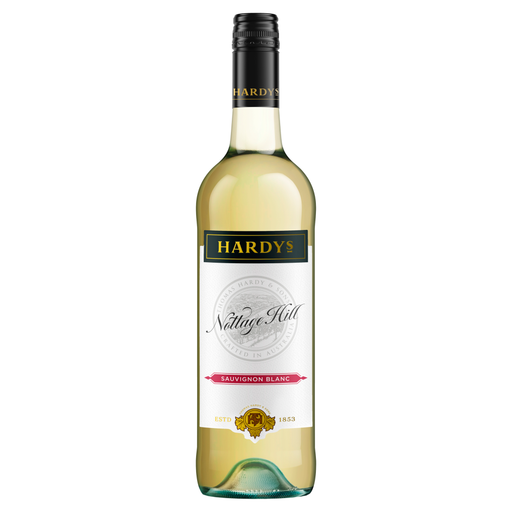
Why This Fits Their Persona: Its 11% ABV and familiar 75cl format make it a practical starting point for shoppers seeking an approachable Australian white wine for meals or relaxed evenings.
The listing gives clear origin, ABV, bottle units and allergen information instead of relying only on broad tasting claims.
Citrusy and herbaceous profile; listed pairing with grilled salmon; vegetarian according to the product details.
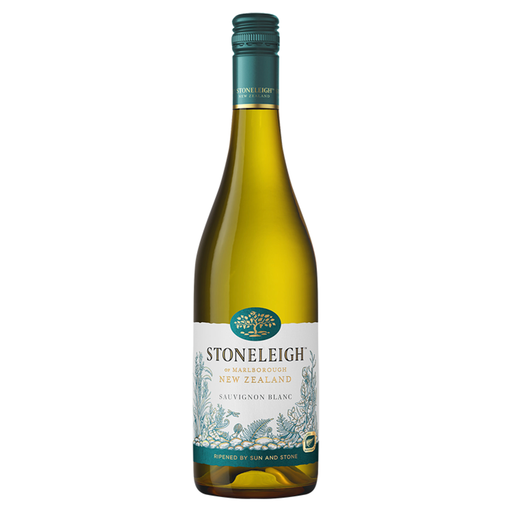
Why This Fits Their Persona: A Marlborough option for shoppers who prioritise pronounced fruit, citrus freshness and a more region-led wine style for entertaining or gifting.
The listing identifies the Marlborough origin, 13.5% ABV, approximate bottle units and sulphite allergen rather than leaving key details unclear.
Listed notes include passion fruit, white peach, grapefruit and minerality; suitable for seafood, goat’s cheese and salads.
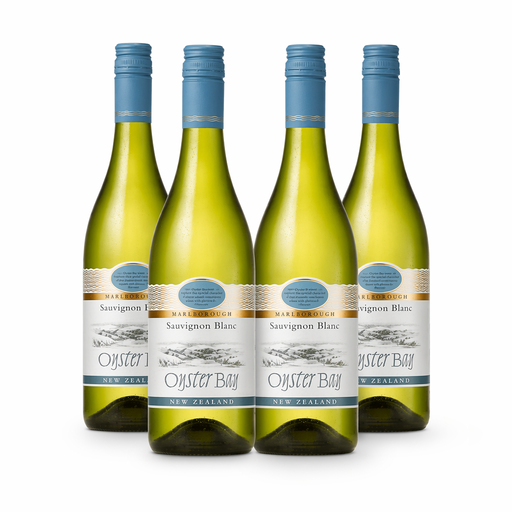
Why This Fits Their Persona: Six 75cl bottles suit regular hosts, larger households and shoppers stocking up for dinners or social occasions.
The pack quantity, bottle size, 12.5% ABV and units per bottle are stated clearly, helping you compare total volume and alcohol content.
Marlborough origin; described as fruity and elegant; practical six-bottle format for wine-and-food pairing and entertaining.
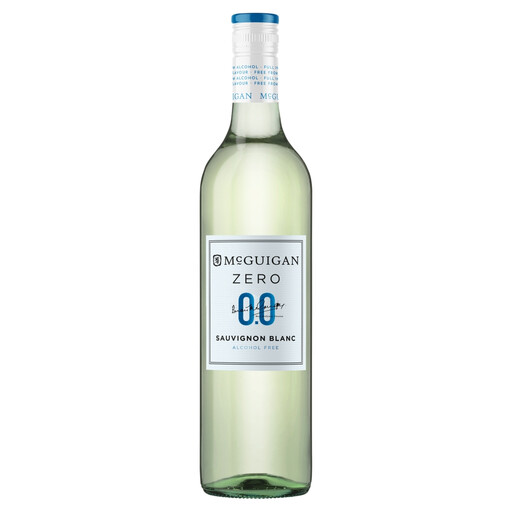
Why This Fits Their Persona: Designed for adults looking for a Sauvignon Blanc-style drink without alcohol, including designated drivers or occasions where alcohol is not wanted.
The listing specifies 0.0% ABV, calories, sugars and sulphite information, so shoppers can distinguish it from reduced-alcohol wine.
0.0% ABV; 19 kcal per 100ml; suitable for serving chilled with salads, seafood and lighter dishes.
Serve most styles chilled, generally around 8–10°C, unless the product label states otherwise. Crisp, dry versions work well with:
A fruity white wine can also be served as an aperitif. For a larger meal, compare the wine’s acidity and body with the dish rather than matching only by country.
We have compiled a complete, real-time list of products that fully satisfy these strict selection criteria and UK safety regulations.
Many Sauvignon Blanc wines are dry, meaning they contain little residual sugar, but styles vary. Check the product description and nutritional information for clues. Fruit aromas such as passion fruit or peach do not necessarily mean the wine is sweet.
Most opened Sauvignon Blanc should be resealed, refrigerated and consumed within two to five days. The exact recommendation varies by product, so follow the storage information on the bottle or listing.
A case can offer better value per bottle, but compare the total price, bottle quantity, ABV and your likely consumption. A six-bottle pack is practical for hosting, while individual 75cl or 187ml bottles may be more suitable when variety and limited storage matter.