
24/7 Customer Support

Free returns

Same-day & Next-day Delivery

Quality Guaranteed

Unlock Your Welcome Offers: FREE Delivery | Up to 80% OFF | Free 30-day JoyPlus trial
Download the APP
Shopping for Sauvignon Blanc wine in the UK can seem straightforward until you compare countries, alcohol levels, bottle sizes and case prices. Marketing language often focuses on phrases such as “vibrant”, “premium” or “award-winning”, but these descriptions do not always tell you whether a bottle suits your taste, meal or budget.
A practical choice starts with checking the information that affects the drinking experience. Here are the main pitfalls to avoid before buying.
Sauvignon Blanc can range from sharp and herbaceous to tropical, soft and fruit-forward. Marlborough Sauvignon Blanc from New Zealand is often associated with passion fruit, lime, grapefruit, fresh herbs and pronounced acidity. Australian Sauvignon Blanc may offer citrus and grassy notes, while Spanish Sauvignon Blanc can be lighter and approachable. South African Sauvignon Blanc often combines citrus freshness with mineral character.
Country of origin is not a guarantee of flavour, but it is a useful starting point when comparing bottles.
A Sauvignon Blanc case deal can reduce the price per bottle, but only if you are likely to drink or serve the full quantity. Check whether the pack contains six 75cl bottles, whether the wine suits several meals and how it should be stored after delivery.
For occasional drinkers, a single Sauvignon Blanc 75cl bottle or even a 187ml serving may create less waste. A case makes more sense for regular entertaining, shared dinners or keeping several bottles available for guests.
Alcohol strength varies considerably. A 13.5% ABV bottle contains more alcohol units than a 10% ABV bottle of the same size. Check the listed units per bottle rather than relying only on the label design or serving suggestions.
Most wines contain sulphites, which must be declared as an allergen in the UK. Vegetarian and vegan suitability can also differ because of fining agents. If this matters to you, rely on the specific product information or contact the producer rather than assuming all white wine is suitable.
Choose by the type of crisp white wine you enjoy:
Descriptions are subjective, so use them as style indicators and check the technical details alongside them.
A standard bottle is 75cl, usually providing around six 125ml glasses. Smaller 187ml bottles can suit solo drinking, picnics or situations where you want to avoid leaving an opened bottle in the fridge.
For a case, calculate the cost per 75cl bottle. Also check whether all bottles are the same wine and whether the product listing specifies storage and serving temperatures.
ABV indicates alcohol by volume. For example, Hardys Nottage Hill Sauvignon Blanc is listed at 11% ABV and 8.3 units per 750ml bottle, while Mud House Marlborough Sauvignon Blanc is listed at 13.5% ABV and 10.1 units per bottle.
Most crisp Sauvignon Blanc is served chilled, commonly around 8–10°C. After opening, reseal and refrigerate the bottle. Product guidance varies, but many wines are intended to be consumed within a few days for their freshest character.
UK guidance recommends that adults do not regularly exceed 14 units per week. Alcohol should be avoided during pregnancy, and all products featured below are age restricted to adults aged 18 and over.
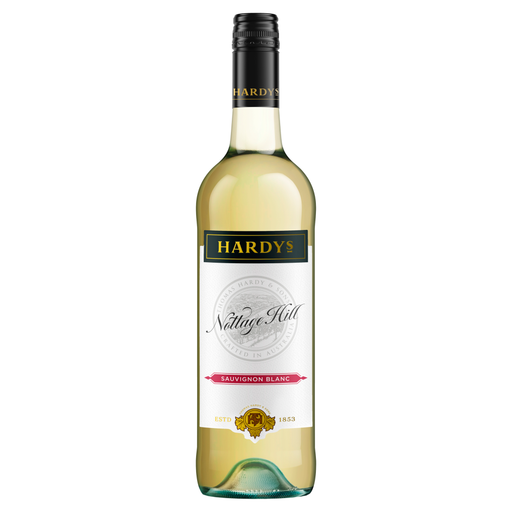
Why This Fits Their Persona: A single standard bottle with 11% ABV suits shoppers who want a straightforward Australian white wine for weekday meals or casual hosting.
The listing clearly states its 75cl size, 11% alcohol content, 8.3 units per bottle and vegetarian status, helping buyers compare practical details.
Citrusy and herbaceous profile; suggested pairing with grilled salmon; store in a cool, dark place.
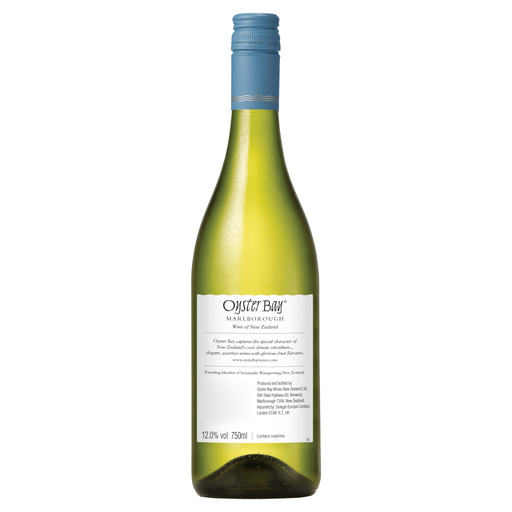
Why This Fits Their Persona: A Marlborough bottle suited to shoppers looking for pronounced fruit character and a presentable option for seafood dinners or gifting.
The product information identifies Marlborough origin, 12.5% ABV, sulphites and storage guidance rather than relying only on broad quality language.
Tropical fruit and bright citrus notes; suitable for lighter meals, fresh Asian flavours and seafood.
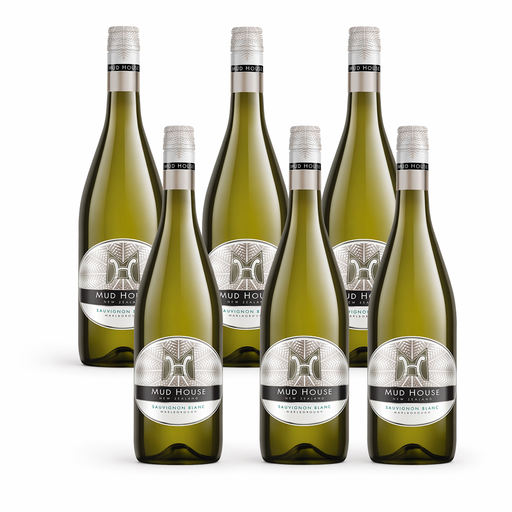
Why This Fits Their Persona: A case format is practical for regular hosts, larger households and shoppers who want wine ready for seafood meals, salads or aperitifs.
The case format makes the quantity clear, while the 13.5% ABV and 10.1 units per 75cl bottle help buyers plan consumption responsibly.
Passion fruit, lime peel and fresh herb aromas; recommended serving temperature of 8–10°C.
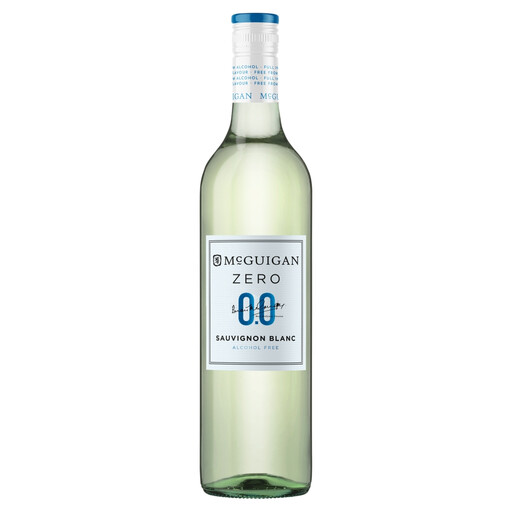
Why This Fits Their Persona: A 0.0% ABV option for adults avoiding alcohol, driving, choosing a lower-alcohol occasion or wanting a wine-style drink with food.
The listing states 0.0% ABV and provides energy and sugar information, avoiding confusion between alcohol-free and merely reduced-alcohol wine.
Citrus and tropical fruit-style flavour notes; 19 kcal per 100ml; refrigerate after opening and consume within three days.
We have compiled a complete, real-time list of products that fully satisfy these strict selection criteria and UK safety regulations.
Sauvignon Blanc is commonly chosen as a wine for seafood pairing because its acidity can complement lighter dishes. Try it with prawns, oysters, grilled fish, salmon or fresh salads. Goat’s cheese, herby chicken, vegetable dishes and lightly spiced meals can also work well.
Serve the bottle chilled, but avoid over-chilling, which can suppress fruit and aroma. If serving a richer or more fruit-forward style, allow it to warm slightly in the glass.
Most Sauvignon Blanc is dry, with noticeable acidity and flavours such as lemon, lime, green apple, herbs or passion fruit. Some fruit-forward bottles may taste ripe and generous without containing much residual sugar. Check the product’s nutritional information if sugar content is important to you.
For freshness, reseal and refrigerate an opened bottle. Many listings recommend drinking it within two to five days, depending on the product. The flavour usually becomes less lively as it is exposed to air, so smaller 187ml bottles may suit occasional drinkers.
No. Alcohol-free Sauvignon Blanc is dealcoholised wine or a wine-style product with 0.0% ABV. It can retain citrus, herbal and fruit notes, but the body and finish may differ from a standard alcoholic bottle. Always check the ABV, ingredients, sugar and storage information before buying.