
24/7 Customer Support

Free returns

Same-day & Next-day Delivery

Quality Guaranteed

Unlock Your Welcome Offers: FREE Delivery | Up to 80% OFF | Free 30-day JoyPlus trial
Download the APP
Buying Sauvignon Blanc wine should be straightforward: choose a flavour style, check the bottle size and compare the price. However, attractive labels and broad descriptions can make it difficult to know what you are actually getting. Whether you want a crisp glass with dinner, a bottle for guests or a Sauvignon Blanc case deal, a few practical checks can prevent disappointment.
Sauvignon Blanc white wine can range from sharply citrus-led and herbal to softer, fruitier and more tropical. New Zealand Sauvignon Blanc, particularly Marlborough Sauvignon Blanc, is often associated with passion fruit, lime, gooseberry, fresh herbs and bright acidity. Australian examples may offer citrus and herbaceous notes, while South African bottles can combine zesty fruit with a mineral character. French Sauvignon Blanc, especially from Bordeaux, may feel more restrained and structured.
A bottle’s country and region are useful indicators, but they do not tell the whole story. Read the product description for serving suggestions, flavour notes and alcohol percentage rather than relying only on phrases such as “premium” or “special reserve”.
A standard Sauvignon Blanc 75cl bottle contains 750ml, but smaller formats are also available. A 187ml bottle can be convenient for a single serving or a gift hamper, while a six-bottle case is more suitable for entertaining or regular consumption.
Always compare the cost per bottle and, where relevant, the cost per 75cl equivalent. A case deal is only useful if you are likely to drink or share the bottles within the recommended storage period.
Alcohol levels vary across the range. The supplied products include bottles from around 10.5% to 14% ABV, while alcohol-free Sauvignon Blanc is also available. Check the label before buying, particularly if you prefer a lighter option or need to manage your alcohol intake.
Most of the wines listed contain sulphites, which must be declared as an allergen in the UK. Some products may also have specific vegetarian or vegan information. Do not assume that a wine is vegan simply because it is made from grapes; check the product details or packaging.
For a refreshing aperitif or warm-weather gathering, look for terms such as crisp, zesty, citrusy, herbaceous or fresh. These descriptions usually indicate a lively style that works well chilled.
If you are serving seafood, salads, goat’s cheese or lightly seasoned chicken, New Zealand and South African styles can be practical choices. Australian Sauvignon Blanc may suit grilled fish and casual meals, while French Sauvignon Blanc can work well when you want a more restrained wine for a formal dinner.
Rosé is a separate style worth noting. A Sauvignon Blanc rosé, such as the Chilean Mud House option, offers a pink appearance and fruit-led profile rather than the pale colour normally associated with white wine.
The UK Government’s Chief Medical Officers advise that adults should not regularly exceed 14 units per week. A 75cl bottle at 13% ABV contains approximately 9.75 UK units, although the exact figure depends on the alcohol percentage. Product pages may also provide units per 125ml glass.
Serve most Sauvignon Blanc chilled, generally around 8–10°C, unless the packaging gives different guidance. Once opened, reseal and refrigerate the bottle. Many wines are recommended for consumption within two to five days, so check the individual listing.
Choose a single bottle when you are trying a new region or planning one meal. A multi-bottle case can be more practical for a household that already knows its preferred style, or for hosting several guests.
Store unopened wine in a cool, dry place away from direct sunlight and heat. Follow the packaging instructions, as recommended drinking windows vary. A case should not be purchased solely because the headline price appears lower: consider cupboard or storage space, expected usage and whether the style suits everyone who will be drinking it.
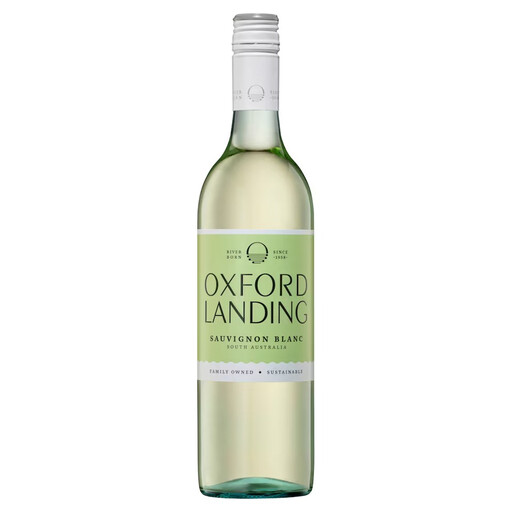
Why This Fits Their Persona: A single 75cl bottle gives new wine shoppers a low-commitment way to try a fresh, zesty Australian style with seafood, chicken or mildly spiced food.
The listing states the 10.5% ABV, 7.9 UK units per bottle, vegan suitability and sulphite allergen information, helping shoppers compare beyond the label.
10.5% ABV; vegan-suitable according to the listing; recommended with seafood, chicken and spicy dishes.
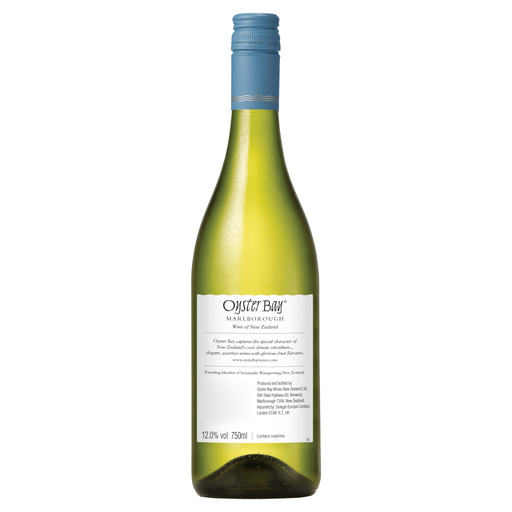
Why This Fits Their Persona: A Marlborough bottle for shoppers seeking a more polished option for seafood, fresh Asian flavours, gifting or a considered dinner at home.
The region, 75cl volume, 12.5% ABV and sulphite information are stated clearly, making the premium Sauvignon Blanc positioning easier to assess.
Marlborough origin; tropical fruit and bright citrus notes; 12.5% ABV; available as a standard 75cl bottle.
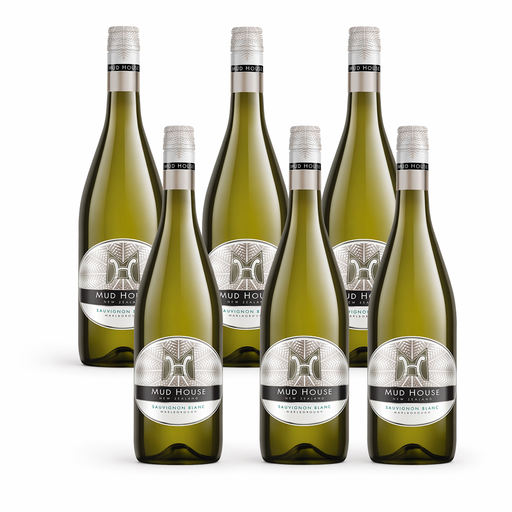
Why This Fits Their Persona: A case format suits regular drinkers, dinner hosts and customers preparing for celebrations who already enjoy a crisp Marlborough style.
The case listing identifies Marlborough origin, 13.5% ABV and approximately 10.1 UK units per 75cl bottle, so quantity and alcohol strength are not hidden.
Passion fruit, lime peel and fresh herb notes; suitable for seafood, salads and goat’s cheese; case format for stocking up.
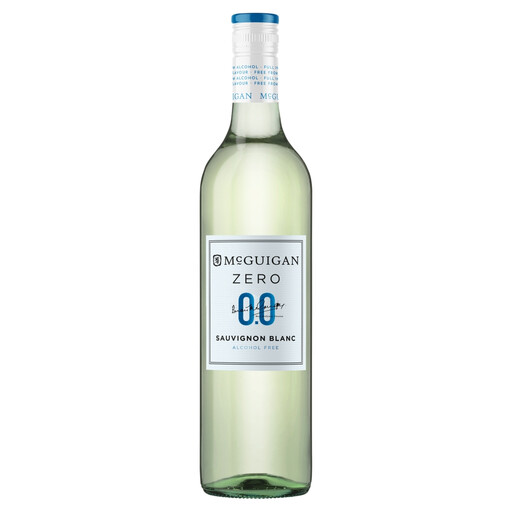
Why This Fits Their Persona: A 0.0% ABV option for drivers, alcohol-free households and occasions where guests want a wine-style drink without alcohol.
The listing specifies 0.0% ABV, ingredients, sulphites and 19 kcal per 100ml, allowing a direct comparison with alcoholic alternatives.
0.0% ABV; 750ml bottle; citrus and tropical flavour description; refrigerate after opening and consume within three days.
We have compiled a complete, real-time list of products that fully satisfy these strict selection criteria and UK safety regulations.
Its acidity and fresh fruit character suit seafood, salads, goat’s cheese, grilled chicken and lighter pasta dishes. Citrus-led bottles can complement prawns and oysters, while herbaceous styles work with green vegetables and fresh herbs. Match sweeter or fruitier dishes carefully, as a very dry wine may taste sharper alongside them.
Yes. Most bottles are served chilled, commonly around 8–10°C, to highlight freshness and acidity. Avoid serving it excessively cold, as very low temperatures can mute aroma and flavour. Once opened, reseal the bottle, refrigerate it and follow the product’s recommended consumption period.
It may offer a lower per-bottle price, but this depends on the current listing and promotion. Calculate the total case price divided by the number of bottles, then consider storage, drinking plans and the wine’s recommended freshness window. For an unfamiliar style, buying one Sauvignon Blanc 75cl bottle first can be a sensible way to assess it before committing to a case.