
24/7 Customer Support

Free returns

Same-day & Next-day Delivery

Quality Guaranteed

Unlock Your Welcome Offers: FREE Delivery | Up to 80% OFF | Free 30-day JoyPlus trial
Download the APP
Sauvignon Blanc wine is a popular choice for shoppers who want a crisp white wine with refreshing acidity and flavours that work well with food. However, bottles that appear similar on a supermarket or online shelf can vary considerably in origin, alcohol content, dietary suitability, bottle size and value.
Whether you need a chilled white wine for a dinner party, a practical everyday bottle or a Sauvignon Blanc case deal, looking beyond the front label can help you avoid an unsuitable purchase.
Sauvignon Blanc can be citrus-led, herbaceous, tropical, fruity or mineral in style. Climate and region make a noticeable difference:
A region is a useful guide, but it does not replace checking the individual product description. Winemaking, vintage, grape sourcing and alcohol level can all affect the final style.
A six-bottle case can reduce the cost per bottle, but only if you genuinely want six bottles of the same style. Check the net content, alcohol units per bottle and storage space before buying.
For example, the Oyster Bay case contains 6 x 75cl bottles, with each bottle listed at 12.5% ABV and approximately 9.375 UK units. A case therefore represents a substantial quantity of alcohol, so it is worth considering how frequently you drink before ordering.
Wine can contain sulphites, and some products may use fining agents derived from animal products. Vegetarian suitability does not automatically mean vegan suitability. Always check the product listing and packaging, particularly if you are buying for a guest with dietary requirements.
Likewise, alcohol-free Sauvignon Blanc should be checked for its stated ABV and ingredients. McGuigan Zero is listed at 0.0% vol, but it still contains sulphites and grape-derived ingredients.
Start with the occasion and food pairing. A bright, high-acid Marlborough or New Zealand Sauvignon Blanc can suit oysters, prawns, salads and goat’s cheese. A softer Australian or Spanish style may be more suitable for casual drinking, light poultry dishes or informal entertaining.
If you prefer a dry white wine, look for descriptions such as crisp, zesty, herbaceous or clean-finished. Remember that “fruity” describes aroma and flavour rather than necessarily meaning sweet.
The standard UK wine bottle is 75cl, which is approximately six 125ml glasses. Smaller formats can be useful when you want portion control or do not expect to finish a full bottle. I Heart Sauvignon Blanc is available in a 187ml bottle, making it practical for a solo serving, picnic or occasion where an opened bottle would otherwise go unfinished.
Check the listing carefully: one product title refers to “75ml”, although the accompanying information describes a 750ml bottle. Always confirm the net quantity shown on the product page or packaging before purchasing.
Alcohol strength affects both flavour and total units. Examples in this selection range from 10% ABV for I Heart Sauvignon Blanc to 13.5% ABV for some New Zealand options. Hardys Nottage Hill is listed at 11% ABV and approximately 8.3 units per 750ml bottle, while Barefoot is listed at 13% ABV and approximately 9.8 units.
For UK adults, the Chief Medical Officers’ guidance is not to regularly exceed 14 units per week. Alcohol should be avoided during pregnancy, and all alcohol products are restricted to those aged 18 and over. Drink responsibly and never drink and drive.
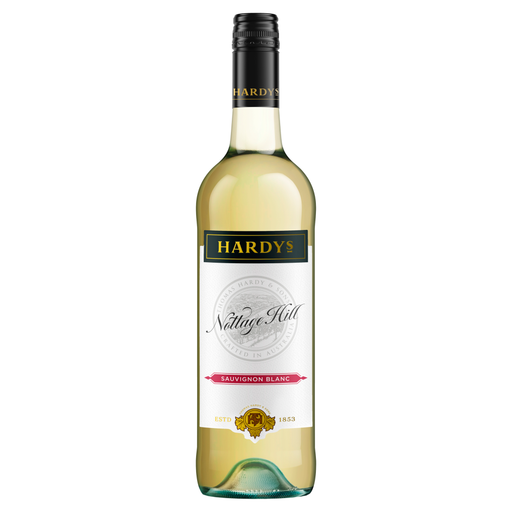
Why This Fits Their Persona: A straightforward 75cl Australian option for everyday meals, casual hosting and shoppers comparing accessible ABV levels.
The listing gives clear information on origin, region, ABV, units and allergens rather than relying only on front-label descriptions.
11% ABV; described as crisp, citrusy and herbaceous; vegetarian, although not vegan.
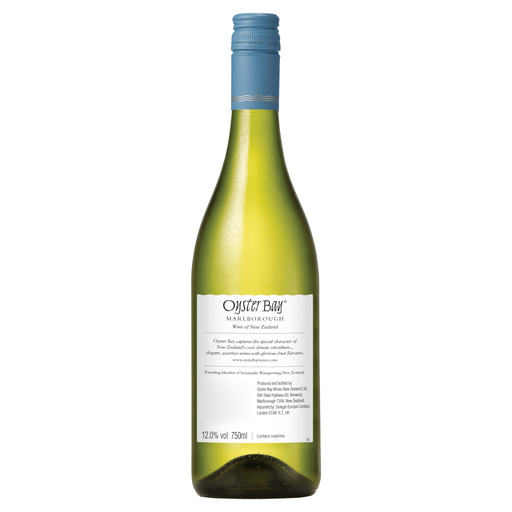
Why This Fits Their Persona: Suitable for shoppers seeking a clearly regional Marlborough Sauvignon Blanc for seafood, lighter meals or entertaining.
Its country and Marlborough region are specified, helping buyers distinguish regional character from generic Sauvignon Blanc marketing.
12.5% ABV; tropical fruit and bright citrus notes; suited to seafood and lighter meals.
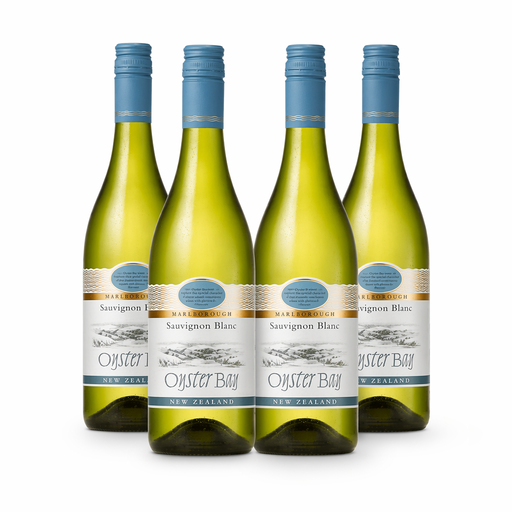
Why This Fits Their Persona: A six-bottle format for regular hosts, planned gatherings or households that already know they enjoy this Marlborough style.
The pack quantity and per-bottle alcohol units are stated, making it easier to assess total volume before ordering.
Six 75cl bottles; 12.5% ABV; suitable for chilled serving with seafood and lighter dishes.
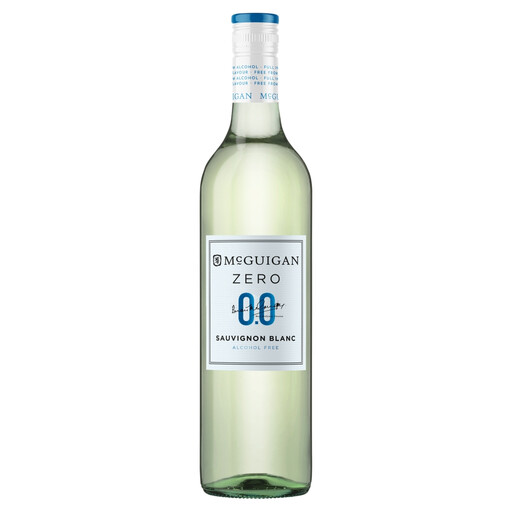
Why This Fits Their Persona: A practical option for alcohol-free occasions, weekday meals or guests who do not want an alcoholic drink.
The listing states 0.0% ABV and provides ingredient, storage and nutritional information, rather than using only “light” or “mindful” wording.
0.0% vol; 19 kcal per 100ml; suitable for serving chilled with salads, seafood or Asian-style dishes.
We have compiled a complete, real-time list of products that fully satisfy these strict selection criteria and UK safety regulations.
Its acidity works well with seafood, grilled fish, prawns, oysters, salads, goat’s cheese and dishes containing fresh herbs. A citrus-led bottle can also complement lighter Asian flavours. Serve chilled, generally around 8–10°C, while following the product’s own serving guidance.
Reseal the bottle and refrigerate it. Many products are recommended for consumption within two to five days after opening, although freshness gradually declines. Smaller 187ml bottles can reduce waste when you only want one serving.
No. Many examples are dry, crisp and refreshing, but sweetness can vary. Check the listed sugar information and tasting description rather than assuming the grape variety determines sweetness. Also compare ABV and ingredients when selecting a bottle for your household or guests.