
24/7 Customer Support

Free returns

Same-day & Next-day Delivery

Quality Guaranteed

Unlock Your Welcome Offers: FREE Delivery | Up to 80% OFF | Free 30-day JoyPlus trial
Download the APP
Whether you need lunchbox snacks, crackers for dipping or something to serve with a cheese board, choosing savoury crackers involves more than picking the most attractive packet. Texture, ingredients, allergens, pack size and storage can all affect whether your purchase suits the occasion.
The range includes cream crackers, cheese crackers, crispbread, thin crackers, cheese flatbreads and ready-to-eat crackers. This guide explains what to check before buying and highlights options for different UK households and serving occasions.
A larger box can look economical, but crackers may lose their crisp texture if they are not sealed properly after opening. Consider how quickly your household will eat them and whether the pack can be stored in an airtight container. Twin packs can be practical because one packet remains sealed while the other is in use.
Cheese crackers vary considerably. Some contain cheese, while others use seasoning, flavourings or cheese powder. If you want a more pronounced dairy taste, check the ingredient list for the type and proportion of cheese. This is particularly important when comparing cheese crackers, cheese flatbreads and filled sandwich biscuits.
Many savoury snacks contain wheat or other gluten-containing cereals, while cheese varieties usually contain milk. Recipes may also include sesame, soya, oats or barley. “Vegetarian” and “vegan” are not interchangeable, and a product labelled suitable for vegans may still carry a “may contain milk” statement. Always check the current packaging, particularly if buying for a child or someone with an allergy.
Start with the allergen declaration, then review the wider ingredient list. For a simple cream cracker, you might see wheat flour, vegetable oil, salt, raising agent and yeast. A wholegrain crispbread may include wheat, rye, oats and seeds, while a flavoured thin cracker can contain sugar, palm oil, milk powder and seasoning.
For vegetarian shoppers, cheese flatbreads and cheese-topped crispbread can provide a savoury option. Vegan shoppers should look for a clear vegan suitability statement and review “may contain” information. Products such as plain crackers for dipping may work well with hummus, salsa or plant-based spreads, but the recipe still needs checking.
Match the cracker’s texture to its intended use:
For crackers for cheese boards, look for a balance between firmness and flavour. A strongly seasoned cracker can compete with mild cheese, while a plain cracker allows toppings to provide most of the flavour.
Pack size should reflect the occasion. A 108g to 150g pack can be convenient for a desk drawer, picnic or small family snack, while a 300g or twin pack is more appropriate for regular household use or entertaining.
Nutrition panels are useful for comparing products on a like-for-like basis. Check energy, fat, saturates, sugars, fibre and salt per 100g, rather than relying only on serving sizes, which can differ between brands. Some products include wholegrain flour and seeds, but this does not automatically make them suitable for every dietary goal.
Once opened, keep crackers in a cool, dry place and reseal the packaging or transfer them to an airtight container. Moisture is the main cause of a soft texture.
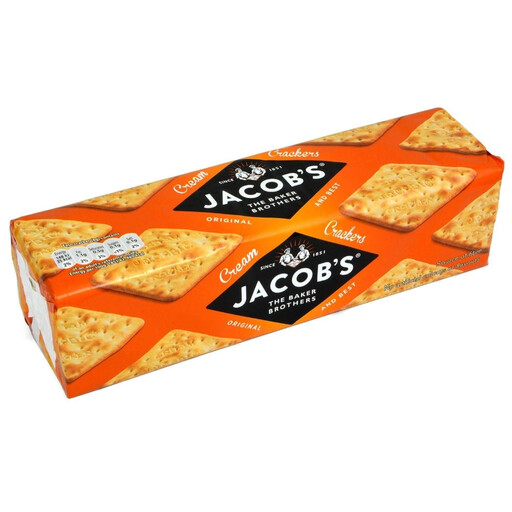
Why This Fits Their Persona: A larger everyday pack for households wanting a neutral base for cheese, spreads, soup or simple savoury snacks.
The ingredient list is short and the mild flavour avoids paying extra for intense seasoning that may not suit every topping.
300g pack; 0.6g sugars and 1.3g salt per 100g; suitable for varied toppings.

Why This Fits Their Persona: Suits shoppers looking for organic wholegrain crispbread with Emmental, seeds and a firmer bite for serving with soup, salad or dips.
Its product information identifies wholegrain wheat, Emmental and pumpkin seeds rather than relying only on a vague cheese-flavour description.
Organic wholegrain ingredients; 10g fibre and 18g protein per 100g; suitable for vegetarians.
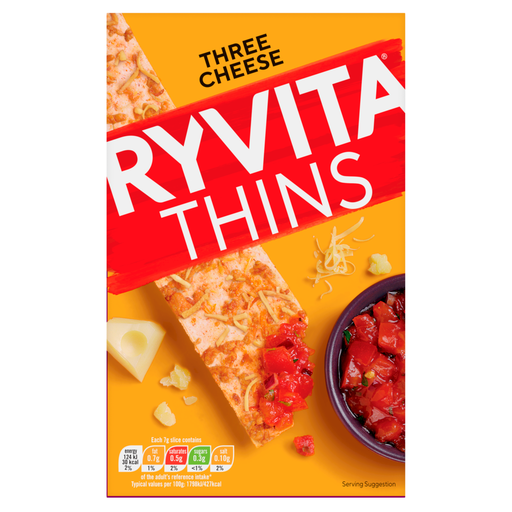
Why This Fits Their Persona: A practical choice for entertaining, dipping and cheese boards where a thin, crisp flatbread needs to carry toppings.
The product specifies three cheeses and a 19% cheese ingredient, giving clearer information than a generic “cheese taste” label.
125g pack; cheddar, Emmental and Regato; suitable for vegetarians.

Why This Fits Their Persona: Convenient for direct snacking, hummus, vegan cheese or informal sharing when a sweet-savoury cracker profile is preferred.
The listing identifies the product as suitable for vegans and vegetarians, while also noting that it may contain milk, so shoppers can make an informed choice.
150g pack; ready to eat; listed as suitable for vegans and vegetarians.
We have compiled a complete, real-time list of products that fully satisfy these strict selection criteria and UK safety regulations.
Choose a cracker with enough firmness to support cheese without overpowering it. Plain cream crackers suit strong or flavoured cheeses, while cheese flatbreads and seeded crispbread can complement milder varieties. Providing two textures gives guests more choice.
Reseal the original packet or place the crackers in an airtight container. Store them in a cool, dry cupboard away from steam and humidity. Avoid refrigerating them, as condensation can affect their texture.
Many are convenient lunchbox snacks because they are ready to eat and require no preparation. Select individually portioned packs where possible and check the allergen information before sharing. Plain crackers can be paired with a small portion of cheese, fruit or a suitable spread for a more varied snack.