
24/7 Customer Support

Free returns

Same-day & Next-day Delivery

Quality Guaranteed

Unlock Your Welcome Offers: FREE Delivery | Up to 80% OFF | Free 30-day JoyPlus trial
Download the APP
Finding savoury crackers and snacks in the UK can seem straightforward until you compare pack sizes, flavours, allergens and serving occasions. A product that looks suitable for a lunchbox may be too strongly seasoned, while a large sharing box may lose its crunch before it is finished.
This guide explains the practical details worth checking before buying, from soda crackers and cream crackers to cheese biscuits, pretzel thins, crispbreads and Asian snacks.
Many baked snacks are promoted as a lighter alternative to fried products. However, baking alone does not tell you the full nutritional picture. Compare the per 100g nutrition panel, particularly energy, fat, saturates and salt. A baked cracker can still be relatively energy-dense, depending on its oils, seasoning and portion size.
A 35g single pack, a 100g multi-pack and a 300g family box serve very different purposes. Check both the net weight and the number of inner packs. Small individual portions may be useful for lunchboxes or commuting, whereas a large box may offer better value for office cupboards or snacks for sharing.
“Savoury” can mean lightly salted, cheesy, smoky, spicy or strongly seasoned. Flavoured crackers may contain milk, soya, sesame, mustard, egg or barley as well as wheat. Always read the current packaging, especially when buying for children, guests or anyone with a food allergy or intolerance.
Choose the format according to how you plan to eat it:
Use the per-100g figures to compare products consistently, then check the per-serving information for everyday use. For example, the 35g pack of OLLY’s Pretzel Thins Original Salted provides a stated 117 kcal per pack, while the My Bizcuit Golden Cube Salted Egg lists 509 kcal per 100g. These figures do not determine whether a product is right for you, but they help with portion planning.
Salt can also vary. Garden Saltine Crackers Original lists 1.7g of salt per 100g, while the vegetable version lists 1.6g. For regular snacking, compare labels rather than relying on terms such as “light”, “classic” or “simple”.
UK food labels should identify regulated allergens clearly, but recipes and packaging can change. Look for declarations covering wheat and gluten, milk, egg, soya, sesame, barley, rye and sulphites where relevant.
Storage matters because moisture quickly affects crispness. Most crackers should be kept in a cool, dry place away from direct sunlight. Once opened, reseal the pack or transfer the contents to an airtight container. For large boxes, individually wrapped portions can help maintain freshness and simplify lunchbox packing.
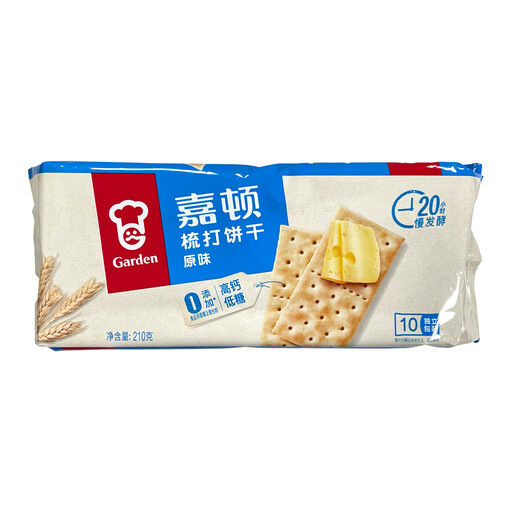
Why This Fits Their Persona: A plain, lightly salted option for students, first-time pantry shoppers and families wanting a flexible everyday cracker.
The 210g net weight is stated clearly, and the neutral flavour avoids committing to a strongly seasoned snack before you know everyone’s preference.
Baked, ready to eat and suitable with cheese, dips, soups or salads. The listed salt content is 1.7g per 100g.
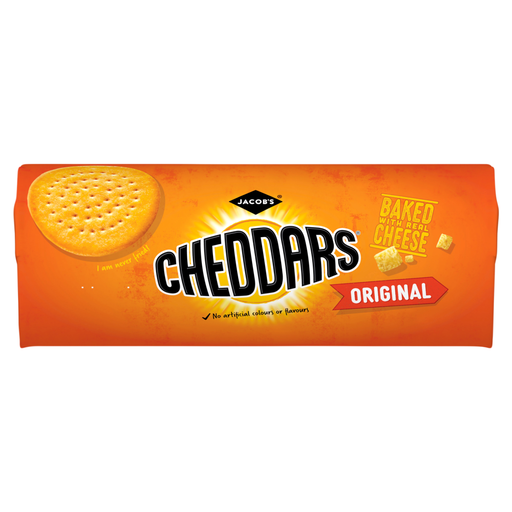
Why This Fits Their Persona: A suitable choice for cheeseboard enthusiasts and hosts who want a ready-seasoned biscuit for entertaining.
The ingredient list identifies cheddar cheese powder at 16%, helping shoppers distinguish a cheese biscuit from one relying mainly on generic flavouring.
Baked texture, 150g pack and 20 kcal stated per 3.8g biscuit. Contains wheat, milk and soya.
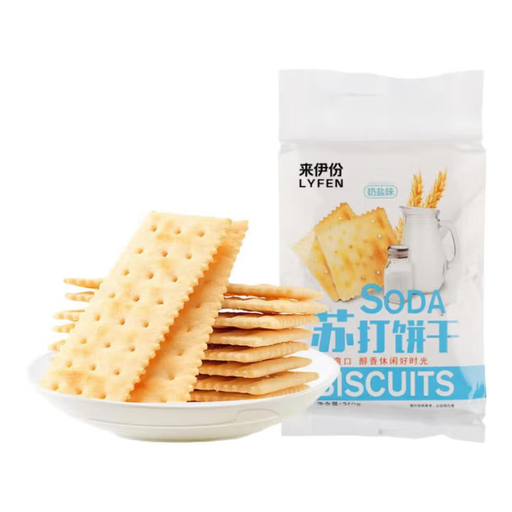
Why This Fits Their Persona: The larger format suits family cupboards, busy offices and households that regularly serve crackers with tea, coffee, cheese or soup.
The 360g size is clearly specified, so it is easier to assess value for frequent use rather than mistaking a small pack for a household supply.
Family sharing size with a milk-and-salt flavour profile. Contains wheat, soya and milk; reseal after opening.
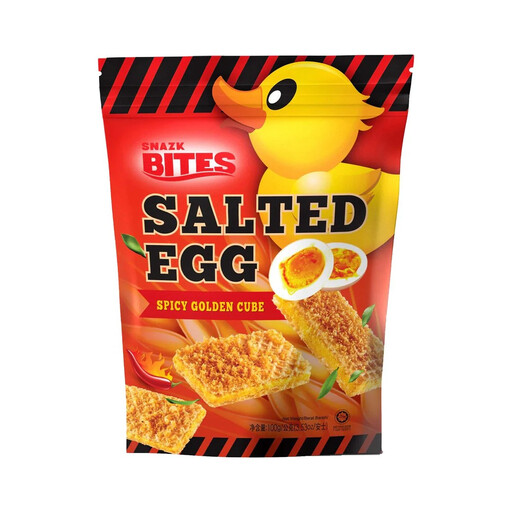
Why This Fits Their Persona: Bite-sized Asian snacks for shoppers seeking salted egg seasoning, chilli warmth and a crunchy texture for sharing or on-the-go eating.
The product name makes the spicy profile clear, reducing the risk of expecting a mild plain cracker. The 100g size is also stated for straightforward comparison.
Crunchy cube format with salted egg and chilli seasoning. Contains gluten, dairy, soya and egg; check the pack before serving.
We have compiled a complete, real-time list of products that fully satisfy these strict selection criteria and UK safety regulations.
Choose a modestly sized, easy-to-seal pack with a flavour that suits the recipient. Plain cream crackers, soda crackers and small pretzel thins are convenient options. Check the allergen declaration and avoid placing fragile crackers next to moist foods, as condensation can reduce their crispness.
Store them in a cool, dry cupboard and close the original packaging securely. For larger boxes, an airtight container can help limit moisture exposure. Follow any product-specific instructions, including guidance to consume within a stated period after opening.
No. “Baked” describes the cooking process, not the complete nutritional profile. Compare energy, fat, saturates, sugar and salt per 100g, then consider the actual serving size. This makes it easier to select crunchy snacks that fit your household’s preferences and eating routine.