
24/7 Customer Support

Free returns

Same-day & Next-day Delivery

Quality Guaranteed

Unlock Your Welcome Offers: FREE Delivery | Up to 80% OFF | Free 30-day JoyPlus trial
Download the APP
Choosing crackers and savoury snacks can look straightforward until you compare pack sizes, flavour descriptions and allergen information. A product that seems suitable for lunchboxes may be awkward for sharing, while a large bag may lose its crisp texture before it is finished.
This guide cuts through common marketing traps and matches different snack styles with practical everyday uses, from cheese boards and soups to Korean snacks, dips and on-the-go portions.
A larger box is not automatically more economical if the contents go stale or are unsuitable for your household. Compare the price per 100g, then consider whether the pack includes individual portions or needs to be resealed after opening.
For offices, school bags and travel, individually wrapped products such as Sky Flakes Crackers may be more practical than one large open bag. For entertaining, a larger box of cream crackers or a mixed selection may reduce the need to open several smaller packs.
Baked snacks and crispy snacks can still contain significant amounts of energy, fat or salt. Check the nutrition panel per 100g and, where available, per serving. For example, the supplied Nongshim Hot Shrimp Cracker lists 502 kcal and 1.5g salt per 100g, while OLLY’s Pretzel Thins list 117 kcal per 35g pack.
These figures do not determine whether a snack is suitable for everyone, but they make comparisons more useful than relying on front-of-pack wording alone.
Flavourings can introduce ingredients that are not obvious from the product name. Prawn crackers and shrimp crackers may contain crustaceans, while Korean snacks can also include wheat, soya, fish or sesame. Cheese crackers commonly contain milk and soda crackers may include wheat, barley, sesame or soya.
Always read the current packaging, particularly if buying for children, guests or anyone with an allergy. UK food labels normally emphasise the 14 regulated allergens when present, but recipes and packaging can change.
Start with the allergen declaration, then review the full ingredients list. A seafood-flavoured snack may contain actual shrimp, prawn or fish ingredients rather than just flavouring. Nongshim Shrimp Cracker, for example, lists shrimp and anchovy, as well as wheat and soya. Thai Dragon Prawn Crackers contain crustaceans and wheat, with possible traces of several other allergens.
For plant-based shoppers, check the label rather than assuming a plain-looking snack is vegan. OLLY’s Pretzel Thins are described as vegan-friendly, but they still contain wheat and soya lecithin and may contain traces of other allergens.
The right texture depends on how you plan to eat the product:
If you are building a cheese board, choose a plain cracker alongside one flavoured option. This gives guests flexibility without allowing a smoky, spicy or seafood flavour to dominate every pairing.
For regular household use, consider whether the packaging can be closed securely. Most products should be kept in a cool, dry place, away from moisture and direct sunlight. Once opened, resealing the bag or transferring crackers to an airtight container helps preserve crispness.
Snack packs are useful for lunchboxes and commuting because portions are already separated. Large formats can work better for families, catering or frequent use, but only if the storage arrangement prevents moisture affecting the remaining crackers.
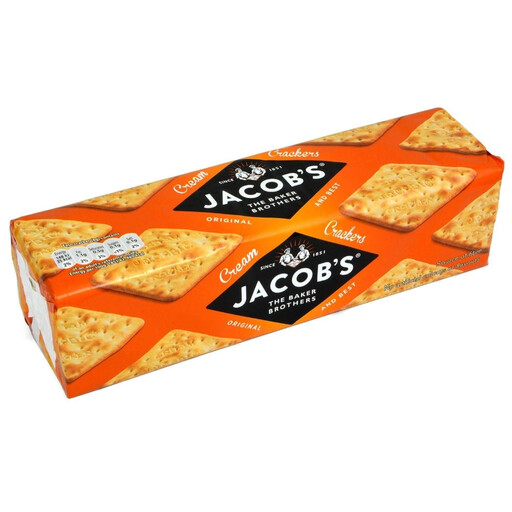
Why This Fits Their Persona: A familiar, versatile format for households wanting one box for toppings, soup, salads and everyday snacking.
The 300g format avoids paying for individual mini portions when a pantry box is more suitable. Its ingredient list is short, with wheat clearly identified as the allergen.
Flaky, crisp texture; suitable for cheese, tomato, roast chicken, pesto and soup pairings.
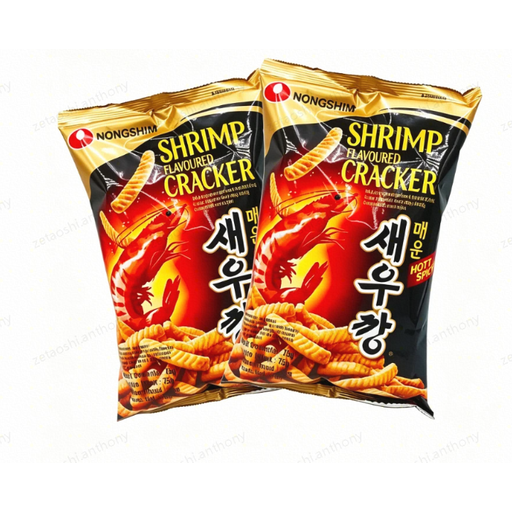
Why This Fits Their Persona: A choice for shoppers exploring Korean snacks and wanting a distinctive spicy, seafood-led flavour rather than a neutral cracker.
The product description states that it is baked, but the nutrition panel still gives clear figures for energy, fat and salt. The allergen list identifies shrimp, fish, wheat and soya.
Two 75g packs; narrow rippled shape; kimchi seasoning with cabbage, chilli and garlic.
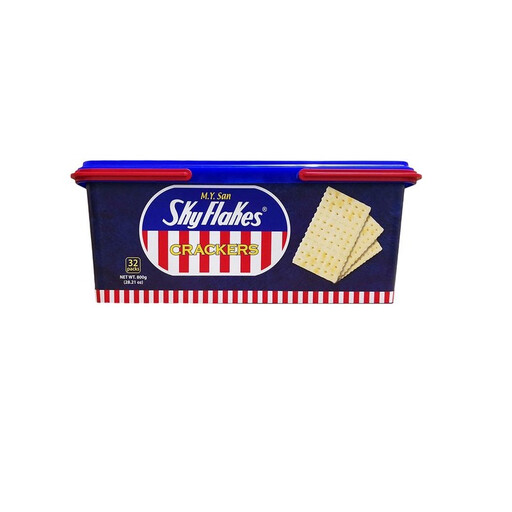
Why This Fits Their Persona: The large format suits families, workplace kitchens, frequent snackers and anyone needing portable portions for lunchboxes.
The pack contains 32 individually wrapped portions, reducing repeated exposure to air and making serving sizes easier to manage than one loose bulk bag.
800g total pack; individually wrapped; mild, lightly salted taste for toppings, dips, cheese and soup.
We have compiled a complete, real-time list of products that fully satisfy these strict selection criteria and UK safety regulations.
For a plain base, consider soda crackers, cream crackers or Ryvita Crackerbread. For stronger seasoning, options include cheese crackers, smoky BBQ pretzel thins, spring onion crackers and salted egg Asian snacks. If portion control matters, look for snack packs or smaller 35g–100g formats.
Seafood snacks deserve extra care: compare the stated prawn or shrimp content, check whether fish is also present and keep products containing crustaceans away from anyone with a relevant allergy. For children under four, follow the product safety guidance where shape and texture create a choking risk.
Plain cream crackers and soda crackers provide a neutral, crisp base for mature cheddar, soft cheese, chutney and sliced vegetables. You can add one flavoured cracker for contrast, but check its seasoning before pairing it with strongly flavoured cheese.
Not necessarily. Baking describes the cooking process, not the complete nutritional profile. Compare energy, fat, saturates and salt per 100g, as well as the actual serving size. Product recipes vary considerably.
Close the original packaging tightly or transfer the contents to an airtight container. Store crackers in a cool, dry cupboard away from steam, heat and direct sunlight. Individual wrapping can help when a product is opened gradually over several days.