For regular typing and approved laptop software, a laptop with a built-in keyboard is usually the more workable form; a tablet can suit reading or annotation if its apps and input method meet course requirements. A desktop can work for a fixed study or staff desk, but not when the device needs to travel to lessons. Check your institution’s software, BYOD, accessibility and security requirements before buying, and include any essential peripherals in your setup.
Who this guide is for
Coursework-first buyers
If you need a device for regular assignments or teaching work, check the required software, keyboard setup and institution support before comparing consumer specifications. The Department for Education advises institutions to assess how, where and by whom devices are used.
People learning across sites
If you need to work between home and school or college, confirm that you can bring and use a personal device on site, then consider portability and how you will work away from a fixed desk. The Department for Education’s guidance says personal devices used under a school BYOD scheme should follow the school’s relevant policies.
People planning for access and cost
If you have an accessibility requirement or a constrained household budget, check which device features and support arrangements meet the need. Ask the school or college about suitable existing or loan devices before assuming a new purchase is necessary.
What to check before buying
Laptop
Consider when: regular typing or cross-site work calls for a built-in keyboard, and the required software runs on an institution-approved operating system.
Trade-off: check the exact model’s software support and whether its size and weight suit regular carrying.
Desktop computer
Consider when: work will stay at an approved home or staff desk and the computer does not need to travel to lessons.
Trade-off: a suitable display, keyboard and mouse may need to be bought separately; Lenovo lists these separately for its cited ThinkCentre M70q Gen 5.
Tablet
Consider when: reading, annotation or touch interaction suits the work and the exact learning apps and on-site use are permitted.
Trade-off: a tablet’s touch screen does not establish compatibility with required desktop software; regular typing may also call for a separate compatible keyboard.
Ask your school or college about required software, personal-device permission and support before choosing a form factor; then check the complete setup for your main tasks.
| Concern |
What to check when buying |
Who this matters to |
| Required software and permission |
Ask which device types, operating systems, apps, accounts and BYOD rules apply, including support limits. |
If I choose a device that cannot run course tools or be used on site, it may not do the work I need. Around 29% of consumers put coursework compatibility first. |
| Typing setup |
Check whether a physical keyboard is required and whether a compatible tablet keyboard is included. |
For regular essays or teaching work, I need a typing method that is comfortable for sustained use. Around 23% of consumers prioritise a reliable setup for writing. |
| Carrying between locations |
Confirm whether a device must travel to lessons, where it can be charged, and the exact model’s size and weight. |
If I work at home and on site, I need a device I can take between locations and use for the tasks there. Around 18% of consumers prioritise cross-site portability. |
| Complete setup and alternatives |
Include any missing keyboard, display or other essentials, and ask about suitable existing or loan devices. |
When I need to keep spending within a household budget, I want to know what the complete setup involves before buying. Around 18% of consumers prioritise affordable access. |
| Accessibility, security and support |
Discuss individual accessibility needs and confirm account, data-handling, device-management and support rules. |
If I need particular accessibility features or a defined security and support arrangement, I need the device and institution services to work together. Around 12% of consumers prioritise accessible, supportable use. |
Buying pitfalls
-
Assuming there is one device rule for every school or college
Requirements can differ locally. One cited sixth-form college requires a physical keyboard and advises against iPads for its own software; that is not a rule for every institution.
Ask for the applicable course and BYOD requirements before choosing an operating system or accessory.
If the chosen setup does not meet the course requirements, you may need a different device or accessory.
-
Comparing device-only prices as if every setup were complete
The cited iPad box includes a USB-C cable, not a keyboard. Lenovo lists the monitor, wireless keyboard and mouse separately for its cited ThinkCentre model.
List what the intended task requires and check whether each accessory is included and compatible with the exact model.
A tablet may need a compatible keyboard, while a desktop may need a monitor and input devices.
-
Assuming every Chromebook has the same remaining update support
Google explains that older Chromebooks eventually stop receiving software updates when their hardware can no longer support the latest versions.
Check the particular Chromebook’s update schedule as well as institution approval, especially for an older or refurbished device.
Relevant brands to consider
Lenovo
The cited UK range examples include a Chromebook for web-based work and a compact ThinkCentre desktop for a fixed workstation.
- Lenovo specifies a built-in camera shutter on the cited IdeaPad Slim 3 Chromebook Gen 8.
- Its stated battery figure is a test-based maximum and varies with use. For the cited ThinkCentre M70q Gen 5, the monitor, wireless keyboard and mouse are sold separately. Neither model is established as approved by a particular institution.
Apple
The UK iPad (A16) is a touch-first tablet option where its apps and permitted use meet the learning requirements.
- Apple lists compatibility with specified Pencil models and includes an iPad and USB-C cable in the box.
- A keyboard is not listed in the box. One college advises against iPads for its own software, so check local course compatibility.
Microsoft
The Surface Laptop Go 3 is a compact Windows laptop example for buyers whose institution accepts the required Windows configuration.
- Microsoft lists USB-A, USB-C and a headphone connection on this model.
- Fingerprint sign-in is available only on select versions, and stated battery life varies with configuration and use. Check the exact version and required applications.
HP
The cited UK Chromebook 14a configuration offers a ChromeOS laptop reference; HP also lists education-oriented Fortis Chromebooks.
- For the specific Chromebook 14a-nf0007na configuration, HP lists 4 GB RAM and a 14-inch HD display.
- Check the exact model’s school approval, whether its display suits the work and how long it will receive ChromeOS updates.
Samsung
The UK Galaxy Tab A9+ range is an Android tablet option where the required learning apps and permitted use have been checked.
- Samsung describes split-screen use on the A9+.
- Storage and memory possibilities vary across the range; do not assume every configuration or course application will meet your needs.
Laptop options on Joybuy
These Joybuy options are laptops for school and college coursework; check each model’s software against your institution’s requirements before buying.
 No image available
ASUS Vivobook 14 X1407QA-LY003W Copilot+ PC, Snapdragon X, 16GB RAM, 512GB SSD
A laptop option for typed coursework where the required tools are supported by its Windows 11 Home setup.
14-inch non-touch WUXGA display; 16GB RAM; 512GB SSD; listed weight 1.49 kg. Confirm the institution’s software and personal-device requirements.
Joybuy
 No image available
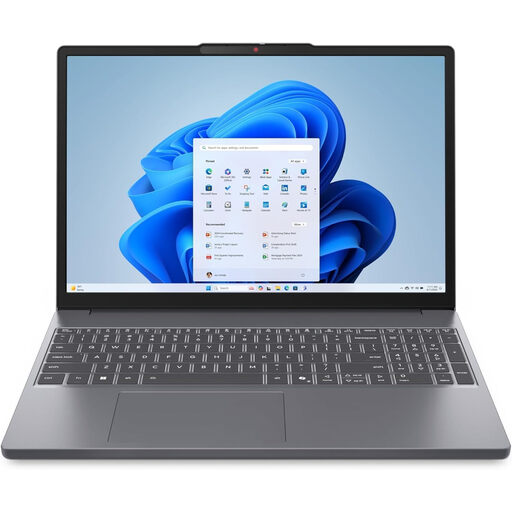
Lenovo IdeaPad Slim 3 15.3-inch WUXGA, Ryzen 5 7535HS, 24GB RAM, 512GB SSD, 83K7009MUK
A laptop option for regular typed work and study across locations, subject to institution approval.
AMD Ryzen 5 7535HS; 24GB DDR5 RAM; 512GB PCIe SSD; Windows 11 Home; full-size keyboard; listed weight approximately 1.59 kg. Check required applications and device rules.
Joybuy
 No image available
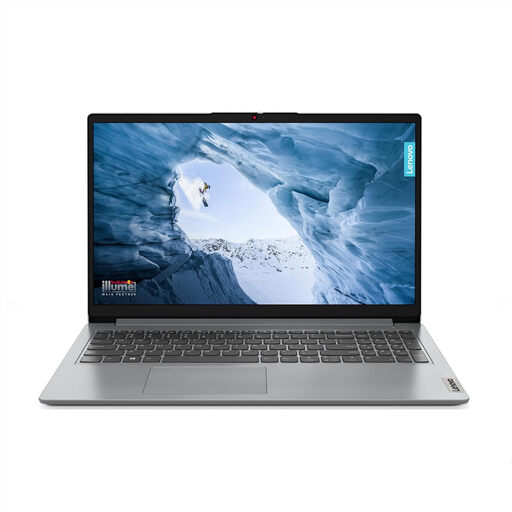
Lenovo IdeaPad 1 15-inch Full HD, Ryzen 3 7320U, 8GB RAM, 128GB SSD, Windows 11 Home in S Mode
A laptop option for typed schoolwork when the required applications work with its listed Windows configuration.
AMD Ryzen 3 7320U; 8GB RAM; 128GB SSD; numeric keypad; listed weight 1.58 kg. The product specifies Windows 11 Home in S Mode, so check course software compatibility and institution approval.
Joybuy
 No image available
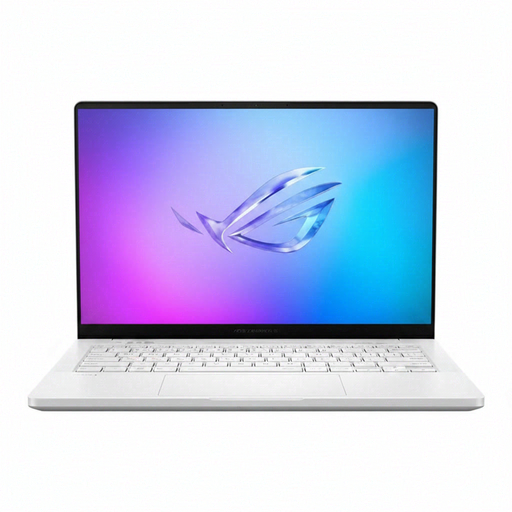
ASUS ROG Zephyrus G14 GA403WR-QS088W, Ryzen AI 9 HX 370, 32GB RAM, 2TB SSD, RTX 5070 Ti
A Windows laptop option where the required coursework applications and institution rules support this configuration.
14-inch WQXGA+ display; 32GB LPDDR5x RAM; 2TB SSD; NVIDIA GeForce RTX 5070 Ti; Windows 11 Home. Confirm that the specified configuration meets your actual study requirements.
Joybuy
 No image available
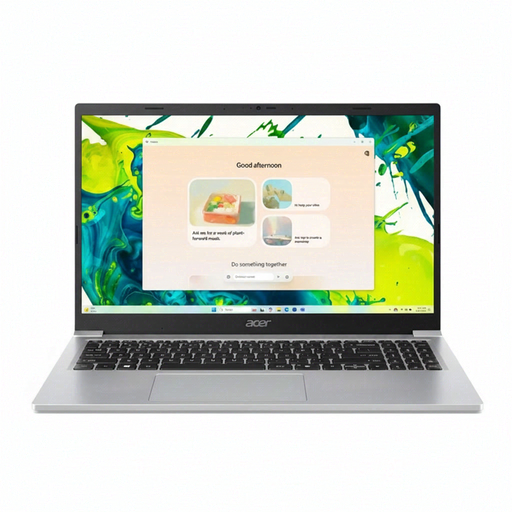
Acer Aspire Lite AL15-36P-C29Z, 15.6-inch Full HD, Intel N150, 8GB RAM, 128GB SSD
A laptop option for study across locations, provided its Windows setup and required applications are accepted by the institution.
Windows 11 Home; 8GB DDR4 RAM; 128GB SSD; 15.6-inch display; listed weight approximately 1.53 kg. Check the course software and on-site device requirements.
Joybuy
Questions about school and college devices
Can I use my own laptop or tablet at school or college?
You need to check your own institution’s rules; permission is not the same everywhere. In England, Department for Education guidance says learning laptops and tablets in an existing school BYOD scheme should follow that school’s BYOD and ICT acceptable-use policies. Northampton College describes managed, potentially restricted access for personal devices, while Salisbury 6th Form College sets its own device requirements.
Are tablets and mobile phones treated the same under school rules?
Not necessarily. England’s Department for Education guidance distinguishes learning laptops or tablets used under a school BYOD scheme from mobile phones, while the school’s policies still apply. That England-specific guidance should not be assumed to govern Scotland, Wales or Northern Ireland.
What should I check when setting up a device for school accounts?
Follow the institution’s account, acceptable-use, update and security instructions; owning a device does not itself grant access. For a Chromebook, Google explains how to check for updates and advises contacting the administrator if a school-managed device cannot update.
Can I assume the school will repair my personally owned device?
No; check the school or college’s stated support arrangements and the seller’s terms separately. Consumer protections for faulty goods are distinct from a school IT team’s support responsibilities. Coventry City Council Trading Standards says a faulty item can usually be rejected for a refund within 30 days, subject to the applicable circumstances.


