Families changing a school-week drink
If you regularly make diluted drinks at home, compare no-added-sugar options with what you currently serve. A front-of-pack claim does not tell you the sugars in a prepared glass.


For a school bottle, choose water if the school requires it or the child is happy with it. If you want a flavoured alternative to sugary squash, NHS guidance also lists sugar-free, diet and no-added-sugar drinks among the options; check the exact drink’s ingredients, sugars as prepared and the school’s policy before packing it.
The useful starting point is where the drink will be served and which label details matter to the child.
If you regularly make diluted drinks at home, compare no-added-sugar options with what you currently serve. A front-of-pack claim does not tell you the sugars in a prepared glass.
If a stated fruit-juice proportion matters, read it alongside the prepared-drink nutrition panel. A no-added-sugar concentrate can still contain sugars from fruit juice.
If sweeteners, sulphites or a school’s bottle policy affect your choice, check the current pack and the school’s instructions before buying a drink to take in.
Decide first whether the drink is for school or home, then compare concentrates as prepared rather than judging them by the front label alone.
Choose when: The school calls for water in bottles, or the child is content with plain water. The NHS lists water as an alternative to sugary squash.
Consider: If you want a flavoured drink at home, assess a concentrate separately for ingredients and dilution.
Choose when: You want a flavoured alternative to sugary squash and the exact product suits the child.
Consider: Sugar figures depend on the recipe and dilution; some products list sweeteners and sulphites.
Choose when: A stated fruit-juice proportion matters as well as the no-added-sugar claim.
Consider: Fruit juice can contribute sugars: Waitrose & Partners lists 2.1g per prepared 250ml serving for its No Added Sugar Blackcurrant High Juice.
| Priority | What to check | Your needs |
|---|---|---|
| School use | Read the school’s current rules for home-packed lunches and water bottles. The Department for Education’s school food standards address drinks provided by state-funded schools in England, not a universal rule for bottles brought from home. | If the drink is going into a school bottle, I need to know what that school permits before choosing cordial. |
| Sugars | Read the sugars value for the drink as prepared, including its serving size. Compare the ingredients too: a no-added-sugar claim does not mean zero sugars or no sweeteners. | I’d like a flavoured alternative to sugary squash, but I still want to know how much sugar is in the glass I make. |
| Ingredients | Check the current pack for sweeteners, sulphites and any other ingredients relevant to the child. Sainsbury’s Lime Cordial, Waitrose Blackcurrant High Juice and ASDA Orange Squash each list sweeteners and sulphites in their product specifications. | For a child with a relevant allergy or intolerance, the exact bottle’s ingredients matter more than the no-added-sugar wording. |
| Fruit content | Compare the stated juice proportion with the prepared-drink sugars figure. Waitrose & Partners lists 40% blackcurrant and 10% grape juice from concentrate for its Blackcurrant High Juice, alongside 2.1g sugars per prepared 250ml serving. | Fruit content matters to me, but I don’t want to assume that a higher-juice drink has no sugar. |
| Dilution | Follow the ratio on the bottle and compare nutrition on the same prepared-serving basis. ASDA directs one part Orange Squash to nine parts water; its stated 4 kcal and less than 0.5g sugars apply to a prepared 250ml serving. | When I make several bottles or glasses, clear mixing directions help me prepare each drink consistently. |
Fruit-derived sugars may remain. Waitrose & Partners reports 2.1g sugars per prepared 250ml serving for its No Added Sugar Blackcurrant High Juice, which also lists sucralose.
Read the claim, ingredients and prepared-drink sugars value together.
The amount of water changes what ends up in a serving. ASDA’s Orange Squash directions specify one part squash to nine parts water.
Follow each bottle’s directions and compare figures for equivalent prepared servings.
The Sainsbury’s, Waitrose, M&S and ASDA products described here list sulphites; their ingredient lists also name sweeteners. A no-added-sugar claim does not answer an ingredient-suitability question.
Check the current physical label if an allergy, intolerance or other dietary requirement affects the choice.
The Department for Education’s standards for drinks provided by state-funded schools in England do not establish what every school permits in a home-packed bottle.
Check the individual school’s current lunchbox and bottle policy; use water if that is what its rules require.
These examples show why it helps to compare individual bottles; a brand or retailer name alone does not establish the ingredients or prepared-drink figures.
Robinsons says 98% of its squash range contains no added sugar. That is the manufacturer’s statement about its squash range, not every drink carrying its name.
Tesco Groceries lists own-label no-added-sugar squashes alongside branded options in its squash-and-cordial category.
Sainsbury’s Lime Cordial No Added Sugar is labelled as a 1L concentrate with 30% fruit juice from concentrate.
ASDA Orange Squash is a concentrate with directions to mix one part squash with nine parts water.
Marks & Spencer describes its Orange Squash as double strength, with 20% orange from concentrate and no added sugar.
Waitrose & Partners lists 40% blackcurrant and 10% grape juice from concentrate in its No Added Sugar Blackcurrant High Juice.
These are flavoured concentrates to consider if no-added-sugar squash suits your plans. For a drink intended for school, check the school’s rules as well as the current bottle label.
 No image available
A blackcurrant option for making diluted drinks at home. Check the bottle’s dilution directions and sugars for the prepared drink, alongside its ingredients. If buying for a child under 3, check its age guidance before use.
 No image available
An orange-flavoured squash for households choosing a no-added-sugar concentrate. Follow the bottle’s mixing directions and check its sweetener, sulphite and age information if relevant to the child.
 No image available
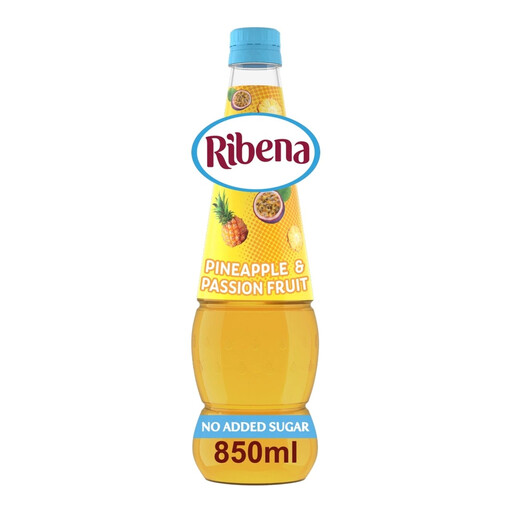
A pineapple-and-passion-fruit option if that flavour suits the household. Check the current bottle for the prepared-drink sugars and mixing directions, and for sulphites or a phenylalanine warning where those affect suitability.
 No image available
A summer-fruit squash for a flavoured diluted drink. Read the pack’s dilution directions and prepared-drink sugars before comparing it with another concentrate; check its ingredient and allergen declarations for the child.
 No image available
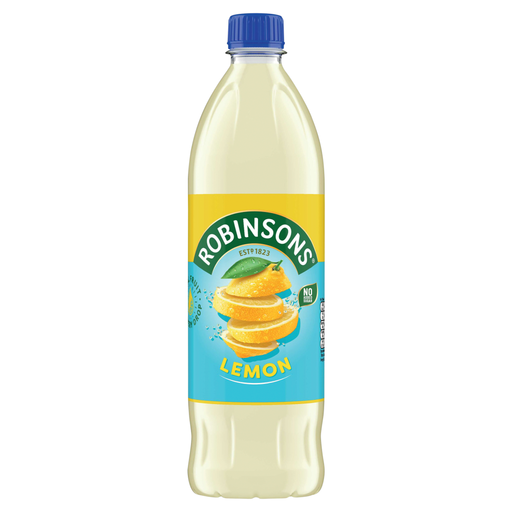
A lemon-flavoured option for diluted drinks. Check the physical bottle for its mixing directions and prepared-drink sugars. Confirm its sulphite and allergen declarations before choosing it for a child with a relevant allergy or intolerance.
No. A no-added-sugar concentrate can still contain naturally occurring sugars from fruit juice. Check its ingredients and the sugars figure for the drink as prepared; Waitrose & Partners, for example, lists 2.1g sugars per prepared 250ml serving for its No Added Sugar Blackcurrant High Juice.
It may be an option if the ingredients suit the child and the school permits it. The NHS lists sugar-free, diet and no-added-sugar drinks as alternatives to sugary squash, but that guidance does not establish what an individual school allows in its bottles or packed lunches.
No. The Department for Education’s school food standards concern food and drink provided by state-funded schools in England; check the individual school’s current policy for drinks brought from home.
Their recipes, fruit-juice content and dilution directions can differ. Waitrose & Partners lists 2.1g sugars per prepared 250ml serving for its Blackcurrant High Juice, while ASDA lists less than 0.5g per prepared 250ml serving for its Orange Squash. Compare the same prepared serving size and follow each bottle’s directions.
Yes. Check the current ingredients, allergen information, nutrition and dilution directions on the bottle, especially when a child’s ingredient requirements affect the choice.