Organisers handling allergy information
Agree the school’s process before choosing products, and keep the current ingredient and allergen information available to helpers. Gluten-free wording does not answer a question about milk.


Choose a sharing pack only after checking the school’s allergy arrangements and the current pack label: a fruit-ice name or gluten-free wording does not establish milk-allergy suitability. Then match the portion count to expected sales and plan how to keep the lollies frozen until serving.
Agree the school’s process before choosing products, and keep the current ingredient and allergen information available to helpers. Gluten-free wording does not answer a question about milk.
Count individual lollies rather than treating every multipack as the same size. The named grocery examples include packs of five, six, eight and ten, according to their Tesco, Sainsbury’s and ASDA listings.
Work out how many packs can stay frozen during storage, transport and the sale. ASDA’s directions for its Assorted Milk Lollies specify storage at −18°C or colder and say not to refreeze them once defrosted.
Settle the school’s allergy and serving arrangements first; portion counts are useful only for products the event can offer.
| Priority | What to check | Your needs |
|---|---|---|
| Allergen information | Read the current ingredient and allergen label for the exact pack. Confirm how the school wants products approved and information kept available at the sale. | I need helpers to identify milk and any other declared allergens before offering a lolly to a pupil. |
| Portion count | Check the number of lollies and each portion’s stated volume. Calculate the packs needed from expected sales rather than the word “sharing”. | A small pack may suit a short sale; a larger event needs enough separate portions without exceeding freezer space. |
| Frozen storage | Check the exact pack’s storage and defrosting directions. Plan freezer space, transport and the time stock will spend at the serving point. | I need a way to keep the lollies frozen until they are handed out, not just somewhere to store them beforehand. |
| Serving format | Check whether the lollies are individually wrapped and retain the labelled outer pack with the stock. | Separate portions would make handing out lollies simpler, while the outer pack lets helpers refer to the product information. |
ASDA lists ten lollies in its Wall’s Mini Milk pack, but also declares milk and possible soya, pistachio nuts and peanuts. Portion count alone cannot establish whether the school can offer it.
Check the school’s allergy arrangements and the current pack label before calculating how many packs to buy.
Sainsbury’s describes Twister Mini Tropical as gluten-free and made with milk. A gluten-free description does not establish suitability for someone with a milk allergy.
Check the ingredient and allergen label of the exact product rather than relying on a front-of-pack description.
Without the labelled pack, helpers may have difficulty identifying which ingredients and allergen information belong to the lollies being served.
Keep packaging with its matching stock and follow the school’s agreed serving process. Anaphylaxis UK recommends making allergen information available at bake sales.
ASDA directs buyers to keep its Assorted Milk Lollies at −18°C or colder and not to refreeze them once defrosted.
Confirm freezer capacity, transport and serving times before settling on a pack quantity; follow the instructions on the products you buy.
The Calippo Mini Orange & Lemon-Lime example is a fruit-ice tube multipack; Tesco lists five 80 ml lollies.
Sainsbury’s lists Twister Mini Tropical as six 50 ml ice-cream lollies made with milk.
The Wall’s Mini Milk assorted example listed by ASDA contains ten 35 ml lollies.
Sainsbury’s Assorted Milk Lollies are listed as an eight-serving, 8 × 35 ml pack.
ASDA Assorted Milk Lollies are listed as eight 35 ml portions.
These frozen multipacks offer different stated portion counts and formats for a school sale. Check each physical pack and the school’s allergy arrangements before deciding what to offer.
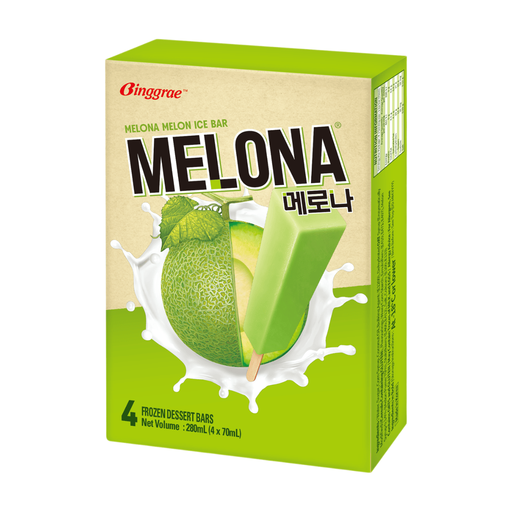 Image unavailable
Four stated portions could suit a smaller sale or a measured addition to other stock. This milk-containing product needs school approval and a check of the current pack label before it is offered.
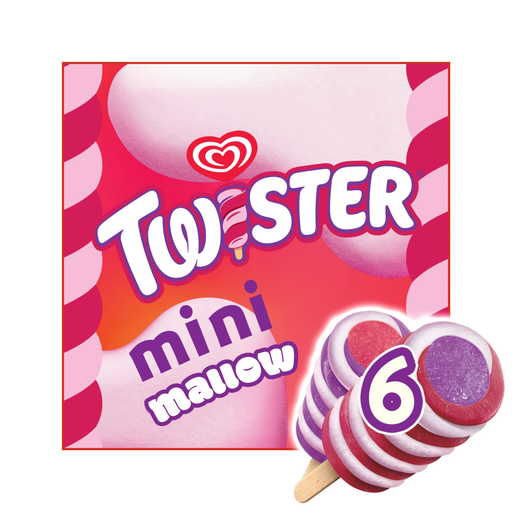 Image unavailable
The six-pack count helps estimate servings. Check the current allergen label with the school and confirm the wrapping format if separate handout matters.
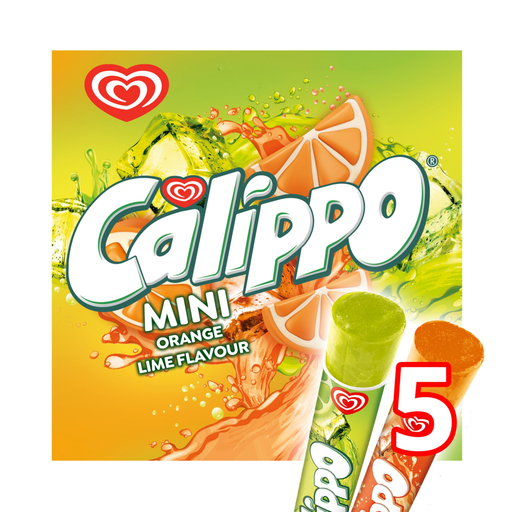 Image unavailable
Five stated 80 ml portions provide a count to plan around. Check the physical pack’s allergen information and wrapping format rather than treating the fruit-ice name as school allergy approval.
 Image unavailable
Use the five-pack count to estimate portions, but check each lolly’s size and wrapping if these affect serving plans. The milk-containing product requires a current label check and the school’s approval.
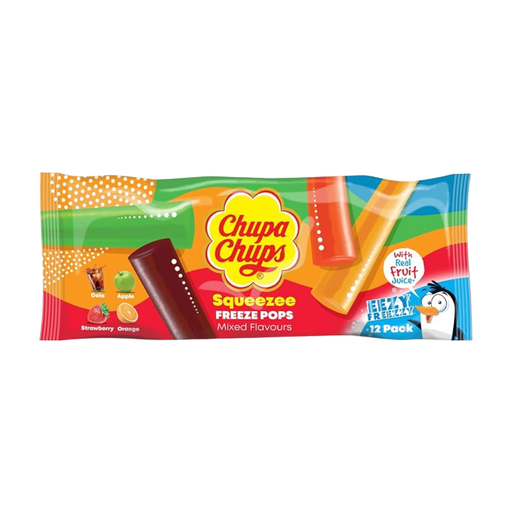 Image unavailable
The stated twelve portions may help with a larger sale. Confirm the physical pack’s allergen information and tube format with the school, and arrange frozen storage until serving.
Its fruit-ice description does not establish that. Read the current ingredient and allergen label for the exact pack, keep its packaging available and follow the school’s allergy arrangements.
Keep the labelled packaging with its matching lollies and agree a process with the school so helpers can refer to it. The Department for Education’s England school allergy guide describes a published school allergy safety policy, while Anaphylaxis UK recommends providing allergen information at bake sales.
Sainsbury’s describes Twister Mini Tropical as made with milk; the ASDA Wall’s Mini Milk listing declares milk. Sainsbury’s and ASDA also identify their assorted milk-lolly packs as milk products. Check the current label of whichever exact pack you buy.
Plan storage, transport and serving so they remain frozen, and follow each pack’s directions. ASDA specifies −18°C or colder for its Assorted Milk Lollies and says not to refreeze them once defrosted.
Estimate the portions the sale may need, divide by the chosen pack’s lolly count and check that the resulting stock fits the available freezer space. The named Tesco, Sainsbury’s and ASDA grocery examples contain five, six, eight or ten lollies per pack; the pack count varies by product.