Parents planning school-day drinks
The distinction between a routine drink and an occasional fizzy option matters here. Check the nutrition and ingredients as well as the school’s packed-lunch policy before buying cans to send in.


For a child’s routine school-day drink, NHS guidance points to water or milk and advises avoiding sugary fizzy drinks. If you are buying cans for occasional use, compare sugar per can, ingredients and pack size: Tesco lists 7.9g sugars per 330ml can of R.White's Lemonade, while Sainsbury's lists less than 0.5g per 330ml can of its Diet Lemonade. Check the school’s packed-lunch policy before buying cans to send in.
The distinction between a routine drink and an occasional fizzy option matters here. Check the nutrition and ingredients as well as the school’s packed-lunch policy before buying cans to send in.
Individual cans make quantities easy to plan, but a larger case also means more cans to store. Compare the pack count with the occasions you actually have in mind.
Regular, diet and zero-sugar lemon-flavoured drinks have different nutrition and ingredient listings. Compare the same serving size and read the sweetener information on the exact pack.
Decide whether the drink is for routine school-day use or an occasional fizzy occasion, then compare labels and pack sizes on that basis.
When it fits: For a child’s routine school-day drink, NHS guidance identifies water and milk as the best drinks for children.
Trade-off: Neither offers the fizzy lemon flavour or canned format sought for an occasional treat.
When it fits: For occasional cans where the declared sugar amount is a deciding factor, compare diet and zero-sugar labels by serving size.
Trade-off: These are still sweetened fizzy drinks; their ingredient lists and pack sizes differ.
When it fits: Consider it for an occasional household or event drink when a regular lemonade is what you want.
Trade-off: Check sugar per can rather than assuming that a regular recipe contains no sweeteners; Tesco lists both sugar and sweeteners for R.White's Lemonade.
| Priority | What to check | Your needs |
|---|---|---|
| Routine drink | Is this for everyday school-day drinking or a particular occasion? NHS guidance identifies water and milk as the best drinks for children and advises avoiding sugary fizzy drinks. | For an ordinary school day, I’m choosing a routine drink rather than stocking up on fizzy cans. |
| Sugar per can | Compare equivalent serving sizes. Tesco lists 7.9g sugars and 36kcal per 330ml R.White's can; Sainsbury's lists less than 0.5g sugars and 4kcal per 330ml Diet Lemonade can. | If I’m buying occasional cans, I want to know what one can contains, not just whether the front of the pack says “diet”. |
| Ingredients | Read the exact ingredient list for sweeteners and check any phenylalanine statement. Formulations can differ between regular, diet and zero-sugar drinks. | Sweetener or phenylalanine information matters in my household, so I’ll check the pack I receive. |
| Pack size | Check both can count and volume: Sainsbury's lists a 6 × 330ml Diet Lemonade pack, while Tesco lists a 24 × 330ml R.White's case. Plan where the cans will be stored. | A smaller pack may cover the occasions I have planned without leaving a large supply at home. |
| School use | Ask the individual school about its packed-lunch policy before planning to send cans in. Department for Education school-food guidance concerns food and drink provided in state-funded schools in England. | If the cans are meant for packed lunches, I need to check my child’s school policy before buying a case. |
A lower declared sugar amount does not make a sweetened fizzy drink equivalent to water or milk. NHS guidance identifies water and milk as the best drinks for children.
Plan routine school-day drinks separately from any occasional fizzy cans.
A 24-can case is a different quantity to a six-can pack, even when both contain 330ml cans. More cans also need more storage space.
Count the occasions you are buying for, check the storage directions and confirm availability with the retailer before checkout.
Regular, diet and zero-sugar lemon drinks can use different sweeteners. Product information for R.White's and Sprite also includes phenylalanine statements.
Read the ingredient list and warnings on the exact variant you buy, particularly if that information matters to your household.
These examples help distinguish drink types and labels; they do not describe every product sold under each brand.
Tesco lists its regular Lemonade in a 24 × 330ml case.
Coca-Cola GB presents Sprite as a lemon-and-lime fizzy drink, with regular and Zero variants rather than traditional lemonade.
Its Diet Lemonade provides a six-can example for comparing with larger regular-lemonade cases.
These Joybuy options cover canned lemon-flavoured fizz in different pack sizes, including zero-sugar variants and regular lemon drinks for occasional use. Some are lemon-and-lime drinks or lemon soda rather than products labelled lemonade.
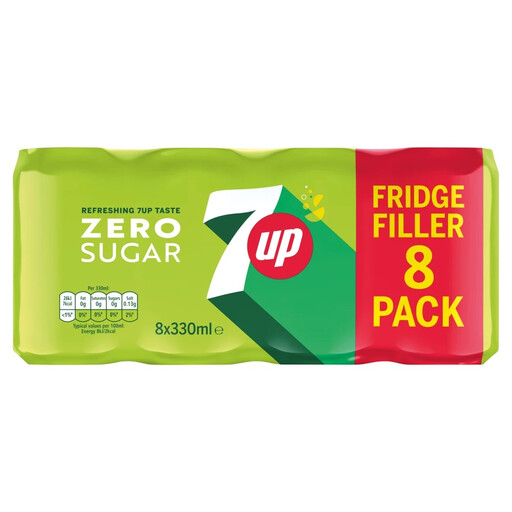 No image available
An eight-can lemon-and-lime fizzy option for a smaller planned supply. Compare the Zero variant’s nutrition, sweeteners and any phenylalanine information on the delivered pack.
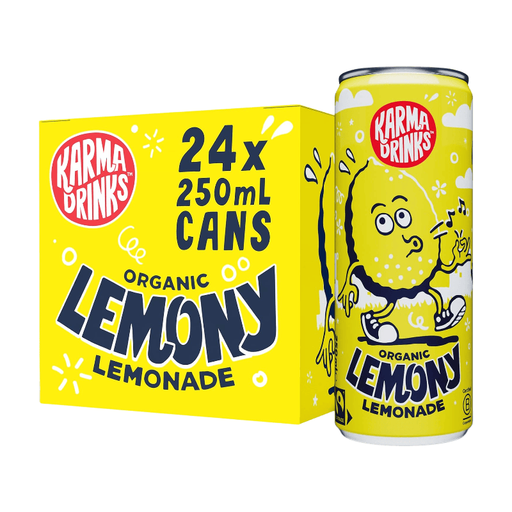 No image available
A 24-can lemon drink for planned occasional use, with smaller 250ml cans than the 330ml options here. Check the sugar declaration for the can you will drink when comparing it with other pack sizes.
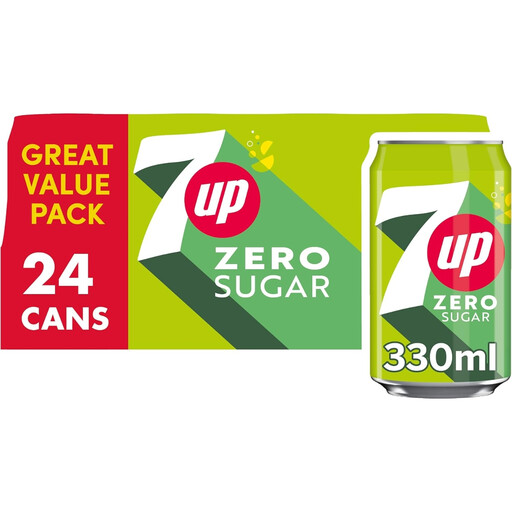 No image available
This 24-can lemon-and-lime pack is a larger supply than the eight-can 7UP Zero option. Check that the quantity fits the occasions planned, and read the nutrition and ingredient panel on the exact pack.
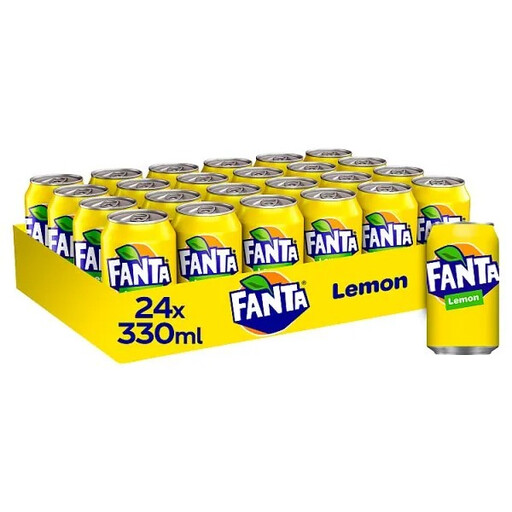 No image available
A 24-can lemon-flavoured fizzy option, labelled Fanta Lemon rather than lemonade. For an occasional-use comparison, read its per-can sugar figure and ingredient list alongside the other drinks you are considering.
 No image available
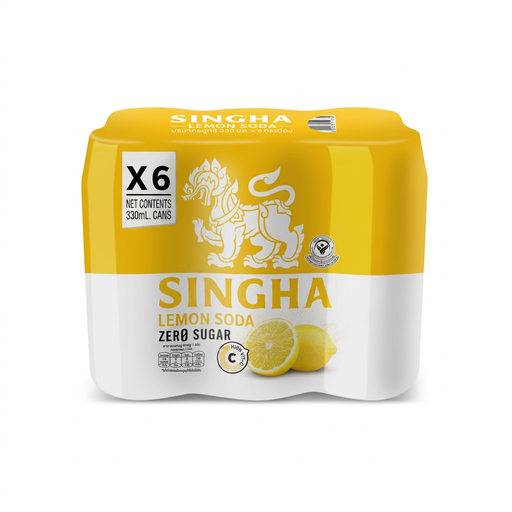
A six-can lemon soda option when a smaller supply fits the plan. Check the delivered pack’s nutrition and ingredients before comparing its Zero Sugar variant with per-can figures for other drinks.
NHS guidance identifies water and milk as the best drinks for children and advises avoiding sugary fizzy drinks. A diet or zero-sugar lemonade has a different sugar declaration from regular lemonade, but it remains a sweetened fizzy drink rather than water or milk.
Department for Education guidance on school food concerns food and drink provided in state-funded schools in England. Before buying cans for a child’s packed lunch, check that individual school’s packed-lunch policy rather than assuming the school-provided food rules answer that question.
No. Sainsbury's describes its Diet Lemonade as a drink with sweeteners, and Coca-Cola GB’s Sprite Zero product information includes a phenylalanine statement. Read the ingredient panel and warnings for the exact variant you receive.
Choose a quantity that matches the occasions you have planned and the space available to store it. Sainsbury's lists a 6 × 330ml Diet Lemonade pack and Tesco lists a 24 × 330ml R.White's case; their different drink types also mean pack count should not replace a nutrition and ingredient check.