What to check before packing a bar
Settle dietary and school-policy requirements before comparing portion size or nutrition claims. Check the packet for the flavour and pack size you intend to send.
| Priority |
What to check |
Your needs |
| Gluten status |
Look for an explicit gluten-free claim where required. Read the ingredient and allergen declaration for wheat, barley and other cereals containing gluten; do not judge the bar by its oat or rice base alone. |
If gluten must be avoided, I need the claim and ingredients to apply to this exact bar, not just another product from the same brand. |
| Other allergens |
Check ingredients, highlighted allergens and any ‘may contain’ statement for the specific variant. The Food Standards Agency explains that precautionary allergen labelling communicates possible unintended allergen presence. |
A gluten-free label does not settle my question if the pupil also needs to avoid peanuts, nuts, milk, soya or another allergen. |
| School arrangements |
Read the school’s current packed-lunch and allergy instructions, including any pupil-specific arrangements. England’s Department for Education guidance says schools may discourage particular allergens being brought on site. |
Before packing a nut-containing bar, I want to know whether it fits the rules and instructions that apply at this school. |
| Portion and nutrition |
Compare the stated portion size and nutrition information per bar; use per 100g figures when comparing differently sized bars. Consider fibre, protein or sugar claims only after the allergen checks. |
I want a portion that fits the rest of the packed lunch, without mistaking a nutrition claim for an allergen claim. |
Relevant brand ranges
Brand ranges contain different recipes: use these examples to identify which individual bars merit a closer look, not as a substitute for reading the packet.
Nature Valley
Nature Valley identifies Protein Salted Caramel Nut and Protein Peanut & Chocolate as gluten-free bars, each with 10 g protein and 4 g fibre per bar.
- Named gluten-free protein-bar options provide a starting point when avoiding gluten.
- The named bars use peanuts, so check both the pupil’s requirements and school policy.
TREK
TREK Cocoa Oat is an oat-based gluten-free flapjack option.
- TREK lists gluten-free oats among the Cocoa Oat ingredients.
- The bar contains soya and, according to TREK, may contain peanuts, nuts and milk.
Eat Natural
Eat Natural includes cereal bars in its gluten-free product range.
- Its gluten-free range offers bars to check when gluten avoidance is the starting requirement.
- Do not assume that every gluten-free variant meets a nut-avoidance requirement; check the named bar’s packet.
Graze
Graze Oat Boost flapjacks offer an oat-based format for comparing portions and nutrition information.
- Check the individual product’s labelled portion and nutrition information when comparing bars.
- The listing for Honey Oat Boosts says they may contain cereals containing gluten, milk, nuts, peanuts and other allergens. Do not treat the range as a default free-from choice.
Kellogg’s
Kellogg’s Coco Pops Snack Bar is an example of a cereal bar to assess when gluten-free food is not required.
- Its published allergen information identifies ingredients to check against the pupil’s requirements.
- Kellogg’s lists barley, milk, soya and wheat as allergens in this bar, with a warning that it may contain gluten from other cereals.
Alpen
Alpen is relevant when checking whether a muesli-style bar meets a gluten-free requirement.
- The brand’s allergen guidance gives shoppers a clear reason to check before choosing from its range.
- Alpen states that its products contain gluten from wheat, barley or oats; do not select one for a gluten-free lunch on the basis of its oat content.
Gluten-free bar options on Joybuy
These oat flapjacks and protein bars offer individual options to assess for a gluten-free secondary-school packed lunch. Check each packet’s allergen declaration and the school’s arrangements before choosing one.
 No image available
Nature Valley Protein Peanut & Chocolate Bar 4 x 40g
Consider this gluten-free option where peanuts are permitted and the pupil’s other allergen requirements allow it. Nature Valley identifies 10 g protein and 4 g fibre per bar; the product information also identifies milk and soya and warns that it may contain other nuts.
View on Joybuy
 No image available
Nature Valley Protein Salted Caramel Nut Bar 4 x 40g
This gluten-free bar is an option only where its nut ingredients fit the pupil’s requirements and school policy. Nature Valley identifies 10 g protein and 4 g fibre per bar; the product information lists peanuts, almonds, milk and soya.
View on Joybuy
 No image available
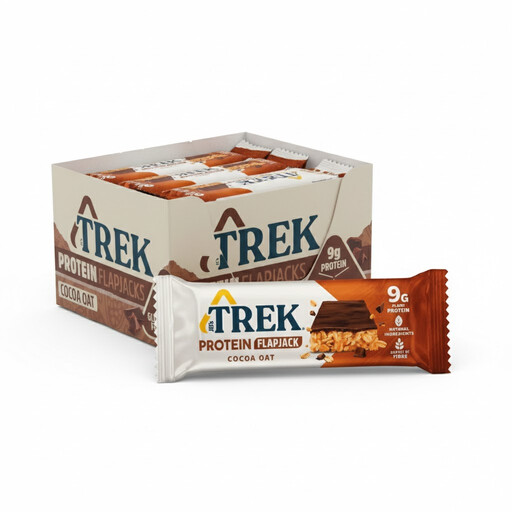
TREK Cocoa Oat High Protein Flapjack 16 x 50g
This gluten-free oat flapjack may suit a packed lunch when its other allergen information is compatible with the pupil and school. TREK lists soya in the ingredients and says the bar may contain peanuts, nuts and milk.
View on Joybuy
 No image available
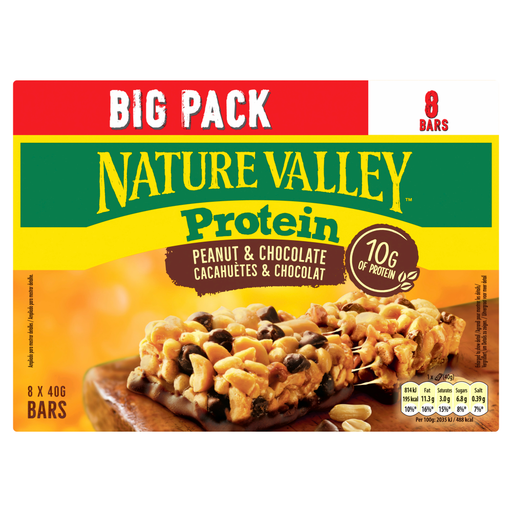
Nature Valley Protein Peanut & Chocolate Cereal Bars 8 x 40g
This eight-pack offers the named gluten-free Peanut & Chocolate variant for lunches where peanuts are allowed. Nature Valley identifies 10 g protein and 4 g fibre per bar; the product information also identifies milk and soya and warns that it may contain tree nuts.
View on Joybuy
 No image available
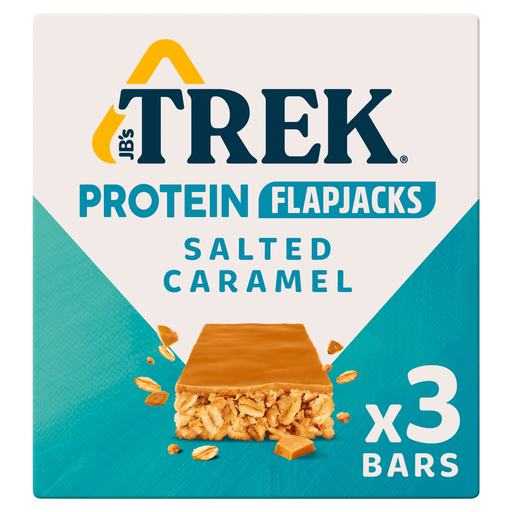
TREK Salted Caramel Protein Flapjacks 3 x 50g
For this salted-caramel flapjack, check the exact packet’s gluten-free claim and complete allergen declaration before putting it in a school lunch. Its product information identifies soya; do not apply the ‘may contain’ wording for TREK Cocoa Oat to this different flavour.
View on Joybuy
Common questions
Does ‘gluten-free’ mean a cereal bar is suitable for every allergy?
No. A gluten-free claim concerns gluten, not every other allergen. Check the exact flavour’s ingredients and any ‘may contain’ statement for peanuts, nuts, milk, soya and any other allergen relevant to the pupil.
Can I rely on a vegan bar in a nut-controlled school?
No. Vegan wording does not settle whether a bar carries a nut warning. TREK says its vegan Cocoa Oat bar may contain peanuts and nuts, so compare the individual packet with the school’s current instructions.
Are nuts prohibited in every secondary-school packed lunch?
Do not assume a rule shared by every school. England’s Department for Education guidance says schools may discourage particular allergens, including nuts, from being brought on site. Check the individual school’s current policy and any instructions for the pupil.
Can an ordinary cereal bar go in the lunchbox if gluten-free food is not needed?
Yes, if its ingredients fit the pupil’s requirements and the school’s arrangements. Check the particular bar: Kellogg’s lists barley, milk, soya and wheat as allergens in its Coco Pops Snack Bar, while Alpen states that its products contain gluten.


