Families packing dairy-based lunches
Choose a block, slices or a snack format according to how the pupil likes to eat cheese and how much preparation is practical at home. Check the storage directions before deciding how to carry it.


For a secondary-school packed lunch, choose the cheese format the pupil will eat, then check whether the requirement is ordinary dairy cheese, lactose-free dairy cheese or a milk-free alternative. Lactose-free cheddar can still contain milk and is not a substitute for a pupil who must avoid milk; check the current pack and the school’s allergen arrangements. Follow the product’s storage instructions and plan how a cheese that requires refrigeration will stay cool until lunch.
Choose a block, slices or a snack format according to how the pupil likes to eat cheese and how much preparation is practical at home. Check the storage directions before deciding how to carry it.
A cheese explicitly labelled lactose-free offers a clearer starting point than assuming every hard cheese has the same lactose status. Check the label of the particular product you intend to pack.
Lactose-free dairy cheese can still contain milk. Look for an explicitly milk-free product, check its current allergen declaration and follow the school’s allergy arrangements.
Start with the dietary requirement, then choose a usable format and check the label for storage and nutrition information.
| Priority | What to check | Your needs |
|---|---|---|
| Milk and lactose | Distinguish a lactose-free dairy claim from a milk-free claim. Read the current ingredients and allergen declaration. | If milk must be avoided, I need a product labelled milk-free, not simply a lactose-free cheddar. For lactose avoidance, I want an explicit lactose-free label. |
| Storage | Follow the pack’s refrigeration and once-opened directions. If the lunch will not be refrigerated at school, consider an insulated bag and ice pack for cheese that must be kept chilled. | The lunch may sit in a school bag until midday, so I need a way to follow this product’s storage instructions. |
| Format | Choose between ready-to-use slices, a block that needs portioning at home and a snack format. Check the pack size and serving arrangement. | Slices would simplify a sandwich or wrap; a block suits me if I would rather cut portions before school. |
| Nutrition | Compare saturated fat, salt, protein and calcium on the same label basis, such as per 100g. Check the portion you will actually pack. | I want to compare a dairy cheese and a plant-based alternative without assuming their nutrition information is alike. |
A lactose-free cheddar may still contain milk protein. Waitrose & Partners lists Arla LactoFREE Mature Cheddar as containing milk and unsuitable for people with a milk allergy.
Identify which ingredient the pupil must avoid before shopping. For milk allergy, check an explicitly milk-free product’s current label and the school’s allergy arrangements.
Arla UK instructs buyers to keep its LactoFREE Mature Cheddar refrigerated at 0–5°C. A packed lunch may not have access to a school fridge.
Follow the cheese’s storage label. For a refrigerated product without school fridge access, an insulated lunch bag and ice pack are a practical option noted in packed-lunch guidance from Raysfield Primary School.
A milk-free cheese alternative meets a different dietary requirement from dairy cheddar; its saturated fat, salt, protein and calcium still need their own label checks.
Choose for allergen suitability first, then compare the current nutrition panels on the same per-100g basis and consider the portion being packed.
The pack is the product information available when preparing lunch, including its allergen declaration and storage directions.
Check those details, the use-by date and the nutrition panel on the product in hand before packing it.
These examples illustrate different dietary routes; a brand name alone does not establish whether another product in its range suits the same requirement.
Its Mature Cheddar is a lactose-free dairy option, not a milk-free cheese.
The brand has a specifically labelled lactose-free mature cheddar alongside its other cheddar products.
Supreme Cheddarton is a plant-based cheese alternative rather than a dairy hard cheese.
The Joybuy option here is a 60g plain cheddar snack format for a packed lunch.
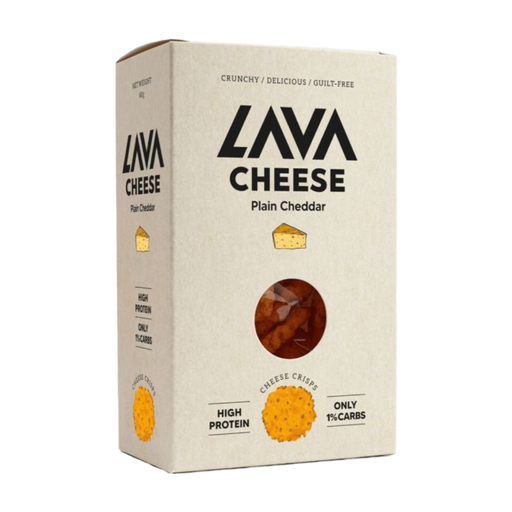 No image available
The 60g snack format offers an alternative to cutting a cheddar block for a packed lunch.
The product information identifies milk, so do not treat it as milk-free. If lactose avoidance matters, check the pack for an explicit lactose-free claim; also follow its storage directions and use the pack’s stated basis when comparing nutrition values.
Do not use lactose-free dairy cheddar as a milk-free alternative. Waitrose & Partners lists Arla LactoFREE Mature Cheddar as containing milk and unsuitable for people with a milk allergy. Check an explicitly milk-free product’s current pack and the school’s allergy arrangements instead.
No. Lactose-free cheese can still be made from cows’ milk: the Arla LactoFREE cheddar listed by Waitrose & Partners contains milk. A product labelled free from milk and dairy, such as the listed Violife alternative, is a separate choice.
Keep it refrigerated before packing and follow its own storage instructions. If the lunch will not be kept in a school fridge, Raysfield Primary School’s packed-lunch guidance suggests an insulated cool bag with an ice pack.
Yes. Check the individual school’s packed-lunch and allergen arrangements before sending cheese or a cheese alternative, particularly when a pupil needs to avoid milk. Department for Education school-food guidance cited for England concerns food provided in state-funded schools; it should not be treated as a single packed-lunch rule for every UK school.
Compare saturated fat, salt, protein and calcium using the same basis, such as per 100g, then check the portion being packed. The NHS notes that cheese can form part of a balanced diet but may be high in saturated fat and salt; do not assume a dairy-free alternative has the same nutrition values as dairy cheese.