Parents packing an occasional treat
A portioned multipack can be easier to divide between lunches than pancakes intended for a plated breakfast. Check the ingredients and the school’s packed-lunch rules before choosing a pack.


For a small packed-lunch treat, start with a clearly labelled multipack that the child can eat and the school permits; decorative gift packaging matters less than ingredients, portions and storage. A standard Scotch-pancake pack is an option where wheat, egg and milk are suitable, while a specifically gluten-free pack addresses a gluten-free requirement but still needs its other allergens checked.
A portioned multipack can be easier to divide between lunches than pancakes intended for a plated breakfast. Check the ingredients and the school’s packed-lunch rules before choosing a pack.
Look for an explicit gluten-free label, then check the full allergen information against the child’s requirements. The Genius pancakes listed by Waitrose are labelled gluten free and milk free; the product information also identifies egg as an ingredient.
Before sending pancakes for another pupil or a group, establish whether the school permits them and whether the ingredients suit the intended recipients. A clearly labelled multipack lets you check those points without relying on gift-style packaging.
Check permission and allergens first, then choose a pack whose portions and storage instructions fit the planned lunch.
| Priority | What to check | Your needs |
|---|---|---|
| Allergens and school rules | Read the current pack for ingredients, allergen statements and any required free-from claim. Check the school’s allergy policy before packing or gifting food. | I need to know that the intended child can eat the pancakes and that the school allows them. The Department for Education’s 2026 guidance says schools in England must publish an allergy safety policy and should consider food brought from home in their allergy arrangements. |
| Storage | Follow the pack’s unopened and opened-storage directions. Plan separately for any topping or accompaniment that needs to be kept cold. | Lunch may sit in a bag until midday, so I want storage instructions that fit that journey. Safefood advises keeping foods that go off quickly, including dairy accompaniments, as cold as possible until eaten. |
| Portions | Compare the number and size of pancakes in the pack. Check how soon the remainder must be eaten after opening. | A multipack lets me plan a small treat across lunches without opening more than we expect to use. |
| Pancake type | Distinguish plain Scotch pancakes, filled pancakes and buttermilk pancakes. Check ingredients and serving or storage directions for the particular product. | For a food gift, I want the recipient to know what is inside; for my child’s lunch, I want a format they can eat under the school’s arrangements. |
The Genius gluten-free pancakes listed by Waitrose contain egg, while its essential Scotch pancakes contain wheat, egg and a milk-derived ingredient.
Check the full label against the child’s needs and the school’s allergy policy, rather than relying on the pancake category or a single free-from claim.
Retailer product information can change, so an earlier listing may not describe the pack you buy.
At purchase, read the physical pack’s ingredients, allergen advice, date and storage directions.
Safefood advises keeping dairy and other foods that go off quickly as cold as possible until lunchtime.
If you add a perishable accompaniment, check how it will stay cold during the school day; otherwise consider packing the pancakes without it.
An insulated lunch bag or box and a cold pack may be needed for a perishable accompaniment.
Gift-style packaging does not establish whether pancakes suit a pupil’s allergens or the school’s rules.
Check permission, the intended recipients, ingredients and storage first. An ordinary labelled multipack can then serve as a small food gift if those checks are met.
The essential Scotch Pancakes are a standard six-piece multipack stored in a cool, dry place, according to Waitrose & Partners.
Waitrose lists the Genius six-pack as gluten free, milk free and made without wheat.
Tesco Groceries lists Scotch, banana and gluten-free pancake options in its range.
M&S Food lists ready-made pancake varieties including buttermilk and flavoured options.
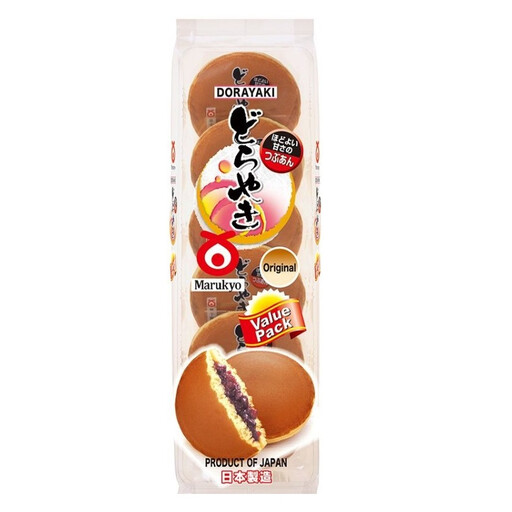
This option is a filled dorayaki multipack for a small packed-lunch treat, rather than a plain Scotch-pancake pack. Check its ingredients and the school’s rules for the intended child.
 No image available
The six-piece pack offers portions of Japanese-style pancakes with a sweet adzuki bean filling for a small treat. It is not a plain Scotch pancake: check the current pack for wheat, egg, milk and soya, and follow its storage directions if dividing the pieces between lunches.
Check the child’s requirements and the individual school’s policy before packing them. The Department for Education’s 2026 allergy guidance says schools in England must publish an allergy safety policy and should consider food brought from home, including packed lunches, in their allergy arrangements.
No. A gluten-free statement does not address every other allergen: the Genius gluten-free pancakes listed by Waitrose contain egg. Check the complete label against the child’s requirements and the school’s rules.
Only plan a perishable accompaniment if it can be kept suitably cold until it is eaten. Safefood advises using an insulated box or bag to help keep foods that go off quickly cold in a packed lunch.
Some packs permit home freezing, including the Waitrose essential Scotch Pancakes and M&S Buttermilk Pancakes described in their product information. Follow the purchased pack’s freezing, defrosting and opened-storage instructions rather than applying one product’s directions to another.