Parents packing a small lunchbox extra
An individually wrapped bar can be one part of a packed lunch rather than the lunch itself. Compare its stated serving weight and per-bar nutrition with the other food being packed.


Choose the portion and bar format before the brand: a 23g cereal bar may work as a small packed-lunch extra, while a 40–50g protein bar or flapjack is a more substantial portion. Compare the exact bar’s nutrition and allergen label with the rest of the lunch, and check the school’s allergy policy; a protein, fibre or no-added-sugar claim cannot settle those decisions on its own.
The intended place for the bar in the day’s food changes which portion and format are worth considering.
An individually wrapped bar can be one part of a packed lunch rather than the lunch itself. Compare its stated serving weight and per-bar nutrition with the other food being packed.
The exact flavour, ingredient list and any ‘may contain’ statement matter when a child or school has allergy restrictions. In England, Department for Education allergy-safety guidance says schools should consider food brought from home in their approach.
A 40–50g protein bar or flapjack is a different portion from a 23g cereal bar. Consider when it will be eaten, what else is in the lunch and whether its allergen information fits the child’s and school’s requirements.
Start with the weight of one wrapped bar, then read its nutrition and allergen information. Compare multipacks by their individual bars, not just the number on the outer pack.
| Priority | What to check | Your needs |
|---|---|---|
| Portion size | Read the weight of one bar and the number of wrapped bars. The cited examples include 23g cereal bars, a 40g protein bar and a 50g flapjack; compare nutrition for the portion that would go in the lunchbox. | For a small extra alongside lunch, I want one portion that fits with everything else packed. A larger bar makes more sense when I intend to pack a more substantial snack. |
| Sugars and other nutrition | Compare total sugars, saturated fat and energy for the stated serving weight. Read any traffic-light labelling alongside the per-bar figures rather than treating a front-of-pack claim as a full comparison. | I want to know what the child would get from the whole bar, not just its headline claim. In Action on Salt and Sugar’s 2025 survey of snack bars sold in UK supermarkets, 37% of the sampled products would be high in sugars under voluntary traffic-light criteria; that is a finding about products, not children’s preferences. |
| Understanding the label | Read the ingredients and nutrition panel together. Check whether figures are given per bar, per serving or per 100g before comparing different pack sizes. | Shop labels need to help me make a choice I can understand. In a British Nutrition Foundation survey published in September 2025, 33% of more than 2,500 UK schoolchildren aged 10–13 said it was easy to choose a healthy snack in a shop; the figure describes their experience of choosing snacks, not their snack-bar purchases. |
| Allergens | Check the current pack’s ingredients, highlighted allergens and any ‘may contain’ warning for the exact flavour. Confirm the school’s arrangements rather than relying on a vegan, gluten-free or plant-based description alone. | If an allergy rule applies to my child or their school, I need a bar whose exact pack information I can check against it before putting it in the lunchbox. |
| Pack format | Count the individually wrapped bars and check the weight of each. Decide whether the pack covers the intended school days without assuming that different bar formats provide interchangeable portions. | I want enough separate bars for the lunches I am planning, without mistaking a larger flapjack for the same size of snack as a small cereal bar. |
‘Protein’, ‘high fibre’ and ‘no added sugar’ describe particular features; none replaces the total-sugars figure or the serving weight. Action on Salt and Sugar’s 2025 UK supermarket product survey found that 37% of sampled snack bars would be high in sugars under voluntary traffic-light criteria.
Compare sugars, saturated fat and energy for the bar you would actually pack, alongside its ingredients and place in the lunch.
Product-specific warnings can differ. Nature Valley’s Protein Peanut & Chocolate bar contains peanuts, soya and milk and may contain nuts; the TREK Biscoff flapjack listed by Joybuy contains wheat and soya and may contain peanuts, nuts and milk.
Read the current pack for the chosen flavour and check it against the child’s needs and the school’s policy.
Five 23g cereal bars and three 50g flapjacks provide different individual portions, even though both arrive as multipacks.
Check the number of wrapped bars and their individual weights before deciding how many lunches the pack will cover.
A brand name can help narrow the format, but the chosen product’s portion, ingredients and current label determine whether it fits a particular lunchbox.
Graze sells oat flapjacks and other snack formats. Graze says none of its snacks are high in salt or sugar; use the exact bar’s label for a portion-by-portion comparison.
The cited products include 23g Oaty & Crispy Honey cereal bars and a 40g Protein Peanut & Chocolate bar, giving distinct portion formats.
Alpen’s cited No Added Sugar product is muesli, not an individually wrapped snack bar. Its muesli label cannot stand in for the label of a lunchbox bar.
Eat Natural lists fruit-and-nut bars and selected vegan and gluten-free options. Those descriptions apply to particular products, not every bar in the range.
nākd. describes its fruit-and-nut bars as containing no added sugar and as suitable for vegan, gluten-, wheat- and dairy-free diets.
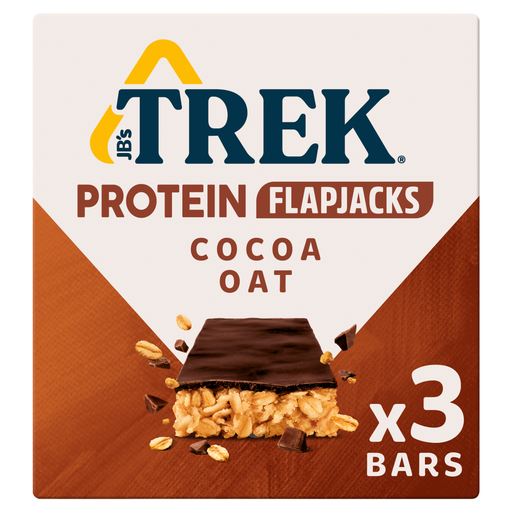
TREK offers protein flapjacks; the brand states that its Protein Flapjacks provide 9g plant-based protein.
These options include 50g flapjacks and oat bars, plus fruit-filled cereal-bar multipacks. Choose by the intended portion and format, then check the current pack against the school’s allergy arrangements.
 No image available
Consider this 50g flapjack when packing a larger snack rather than a small lunchbox extra. Check the current pack’s allergen and precautionary statements, along with the school’s policy.
 No image available
This cocoa-and-oat option comes as three 50g flapjacks. If it is for school, compare the per-bar nutrition with the rest of the lunch and read the exact pack’s allergen warnings.
 No image available
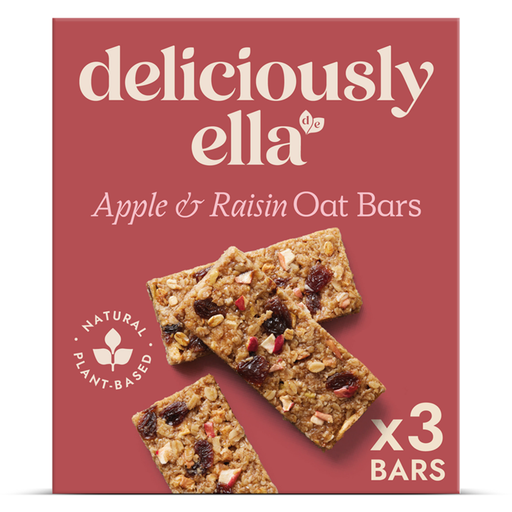
For a fruit-and-oat bar, this pack contains three 50g portions. The fruit-led name does not establish its total sugars or allergy suitability; read the current per-bar nutrition and allergen statements.
 No image available
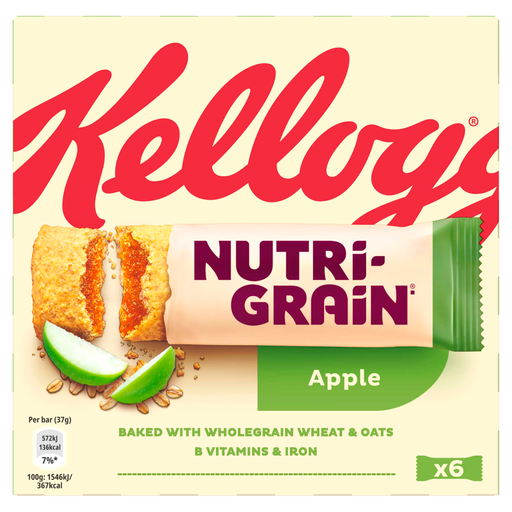
This apple-flavoured cereal-bar pack offers six bars with a total pack weight of 222g. Check the stated nutrition for one bar and the exact pack’s ingredients before selecting it for a school lunch.
 No image available
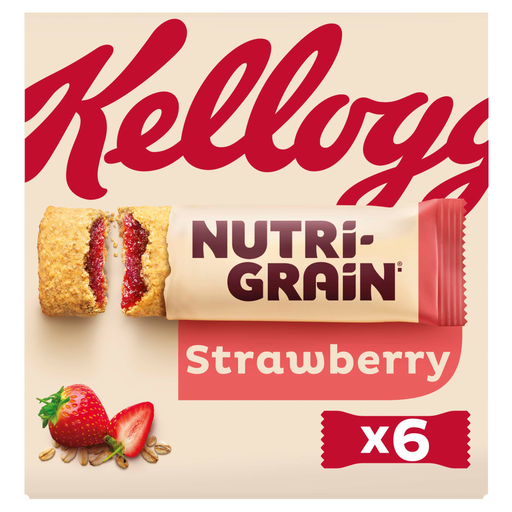
Choose this strawberry variant if that flavour and cereal-bar format suit the intended lunch. The pack contains six bars and weighs 222g in total; check its own per-bar figures and allergen label rather than assuming they match the apple variant.
Check the individual school’s packed-lunch and allergy arrangements before packing one. In England, Department for Education allergy-safety guidance says schools should consider food brought from home when developing their approach; it does not determine whether a particular bar fits your school’s arrangements.
No. Protein is one part of the label, while portion size, sugars, saturated fat and allergens still matter. Nature Valley says its Protein Peanut & Chocolate bar provides about 10g protein and 4g fibre per 40g bar; it also contains peanuts, soya and milk and may contain nuts.
No. The wording concerns added sugar, while the nutrition panel gives total sugars. Compare the total-sugars figure for the exact bar and its serving weight before choosing it for a packed lunch.
Read the current pack for the exact flavour, including its ingredient list, highlighted allergens and any ‘may contain’ statement. Check that information against the child’s requirements and the school’s arrangements; do not substitute a brand-wide or dietary claim for the product label.