Families planning repeat meals
Parents and carers choosing pasta for several meals need a pack size and shape that suit what they plan to cook. Standard packs and larger packs give them different ways to plan ahead.


For repeat family meals, choose a pasta shape and pack size you will use, rather than assuming a larger pack is the better choice. Quick-cook pasta suits evenings when time is tight; wholewheat remains a wheat product, while a specifically labelled gluten-free pasta addresses a different dietary need. Before packing pasta for school, check the current label and the school’s food and allergy policy.
Parents and carers choosing pasta for several meals need a pack size and shape that suit what they plan to cook. Standard packs and larger packs give them different ways to plan ahead.
For households fitting dinner around school, work and activities, a stated shorter cooking time can make a particular pasta more practical. The cooking instructions and allergen label still matter.
These shoppers need to distinguish wholewheat pasta from gluten-free pasta and check the current ingredients and allergen declaration. If the meal is going to school, the school’s policy is another part of the decision.
Start with any dietary or school requirements, then choose a format you can use for the meals you have planned.
| Concern | What to check | Who this matters to |
|---|---|---|
| Pack and meal planning | Check the pack weight and whether the shape suits the meals you intend to make. | If I am cooking pasta repeatedly during the school term, I want a pack I can use rather than leave unfinished. About 46% of consumers put practical pack use first. |
| Weekday cooking time | Read the stated cooking time and method for the exact product. | When dinner has to fit between school and other activities, a shorter cooking time is my main concern. For about 36% of consumers, weekday speed comes first. |
| Dietary and school suitability | Read the current ingredient and allergen label; check for a specifically suitable gluten-free product if required and confirm the school’s policy. | If a child must avoid an ingredient, I need a suitable pasta before deciding on its shape or pack size. Dietary and school suitability is the primary concern for about 18% of consumers. |
A larger pack helps with repeat meals only if its shape works for those meals and the household will use it.
Plan the dishes first, then choose a pack weight that fits them.
Wholewheat pasta contains wheat. The Food Standards Agency identifies wheat as a cereal containing gluten, so wholewheat is not a substitute when gluten avoidance is required.
Choose a specifically suitable gluten-free product when needed, and read its current ingredient and allergen declaration.
A pasta dish that suits a household meal still needs checking before it goes into a child’s packed lunch.
Check the school’s current food and allergy policy alongside the exact product label.
These ranges illustrate different pasta choices; a brand’s presence here does not mean every product in its range has the same ingredients or cooking instructions.
Tesco Groceries lists standard dried pasta in different pack sizes, alongside wholewheat, quick-cook and speciality options.
ASDA Spaghetti 500g is a standard dried-pasta option for meals that call for spaghetti.
Sainsbury’s Quick Cook Fusilli 500g offers a stated 5-minute cooking time for a weekday meal.
Barilla UK lists both classic fusilli made with durum wheat semolina and a separate wholewheat fusilli.
The M&S pasta range includes wheat-based pasta and a separate Made Without Wheat range.
Dolmio is relevant to planning a pasta meal as a sauce brand, not as a dried-pasta alternative.
These pasta formats cover repeat wheat-pasta meals, a wholewheat multipack and a gluten-free lasagne option. Choose the format for your planned dishes, then check the current pack details before using it for a school meal.
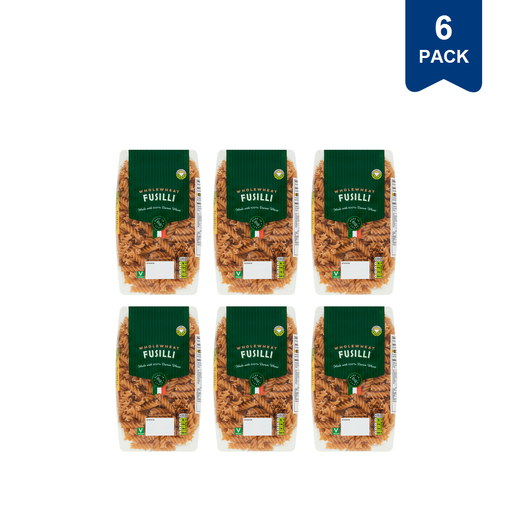 No image available
A multipack to consider if wholewheat fusilli is already part of your regular meal plan. It contains six 500g packs; wholewheat is a wheat product, not a gluten-free alternative. Read the current label and school policy before packing it for a child.
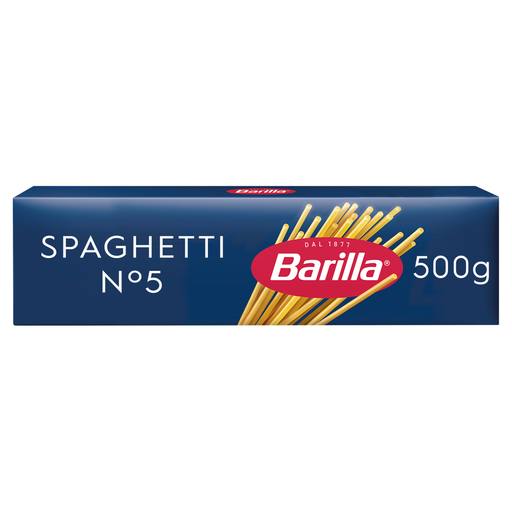 No image available
Consider this 500g spaghetti pack when that shape suits the meals you have planned. Check the current ingredients, allergen declaration and cooking instructions on the pack before serving or sending it to school.
 No image available
A 500g fusilli pack for meals where this shape works for your planned dish. Check the current pack for its cooking instructions and wheat allergen information, particularly if the meal will go to school.
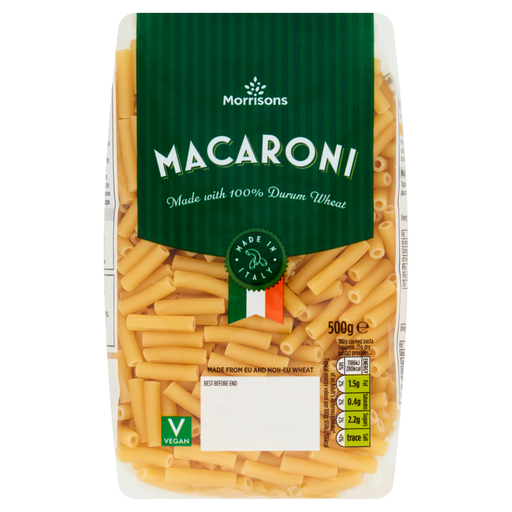 No image available
Choose this 500g macaroni pack if macaroni is the shape your household intends to cook. Read its current ingredient and allergen label, and check school requirements before including it in a packed lunch.
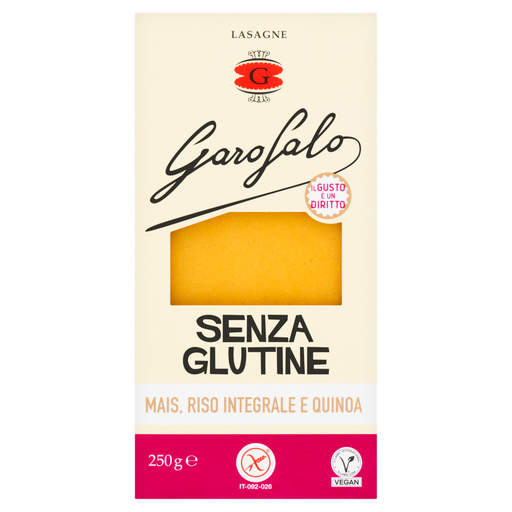 No image available
This 250g gluten-free lasagne format is relevant when lasagne is the planned dish and a gluten-free product is required. Confirm the current pack label and any relevant school requirements before use.
No. Choose a larger pack when you expect to use that pasta shape across your planned meals; otherwise, a smaller pack may fit your needs better.
It is worth considering when weekday cooking time is the deciding factor. Sainsbury’s states a 5-minute cooking time for its Quick Cook Fusilli 500g; follow the instructions on the particular pack you choose.
Check the pasta’s current label and the individual school’s food and allergy policy before packing it. The Food Standards Agency identifies wheat as a cereal containing gluten and notes that pasta can contain gluten.
No. Barilla describes its wholewheat fusilli as made from 100% whole wheat. If gluten avoidance is required, select a specifically suitable gluten-free product and check its current label.
Read the current pack label rather than relying solely on a webpage. Sainsbury’s advises shoppers that product ingredients can change, making the pack declaration important when choosing food for a child.