First-time bag maker using cotton
You need a manageable setup for straight seams, hems and simple edge finishing on a light-to-medium bag, rather than choosing by the number of decorative stitches.


For a school shopping bag made from quilting cotton or another light-to-medium fabric, start by checking a straightforward machine with the utility stitches the pattern requires. If the approved design uses canvas, folded hems or reinforced handles, assess a machine intended for thicker domestic sewing against the bag’s thickest join. Neither choice replaces a test with the intended materials or the school’s instructions and supervision arrangements.
You need a manageable setup for straight seams, hems and simple edge finishing on a light-to-medium bag, rather than choosing by the number of decorative stitches.
Your approved design may put several layers under the presser foot at a folded hem or handle join. The thickest part of the bag, not just its main fabric, should guide your machine check.
You need to know which equipment the school permits and what instruction and supervision apply before using a machine for the project.
Get the approved pattern and fabric before comparing machines: the seams the bag requires and the layers at its handles determine what needs checking. If the school provides a suitable machine, ask whether you can use it for the project before buying another.
| Concern | What to check | Who this matters to |
|---|---|---|
| Simple setup and seam control | Check the pattern’s required straight and zigzag stitches, any needed stitch adjustments, and whether the learner can use the controls with instruction. | I want to concentrate on sewing the bag’s seams and hems, not navigating stitches I will not use. Around 40% of consumers put straightforward first-project setup first. |
| Thick hems and handle joins | Check the exact model with the intended fabric, needle, thread and thickest layered join; a heavy-duty label alone cannot establish the result. | If my bag uses canvas or reinforced handles, I need to know whether the machine will sew through the assembled layers. This is the primary concern for around 40% of consumers. |
| School use and supervision | Ask which machines the school permits and what training, supervision and safety setup it requires. | Before a learner uses the machine for school work, I want the equipment and supervision arrangements settled. Around 20% of consumers place that need first. |
A shopping bag’s required seams, hems and edge finish matter more than a long list of stitches the pattern does not use.
Read the approved pattern first, then check the machine’s relevant utility stitches and controls.
Layer count changes at folded hems and handle joins. Brother’s canvas claim for the HF37 and Singer’s positioning of the Heavy Duty 4423 apply to those named models, not every bag construction.
Try the thickest planned join with the intended materials, or ask about that precise model and construction before choosing.
A beginner label does not establish that a home machine is permitted or suitable for a learner’s school setup.
Confirm the school’s equipment rules, instruction and supervision. The Health and Safety Executive advises switching off power for adjustments and needle changes in its sewing-machine guidance.
The Sewing Directory’s shopping-bag project describes zigzag stitching and folded hems among its edge-finishing options.
Check the teacher’s required finish before deciding whether the project calls for an overlocker.
The HF37 is a Brother model to examine if the approved bag uses canvas or thick handle joins.
The mechanical 2212 is a reference point for a simpler machine when the project uses light-to-medium fabric.
Singer positions its Heavy Duty 4423 for domestic projects involving materials such as denim and canvas.
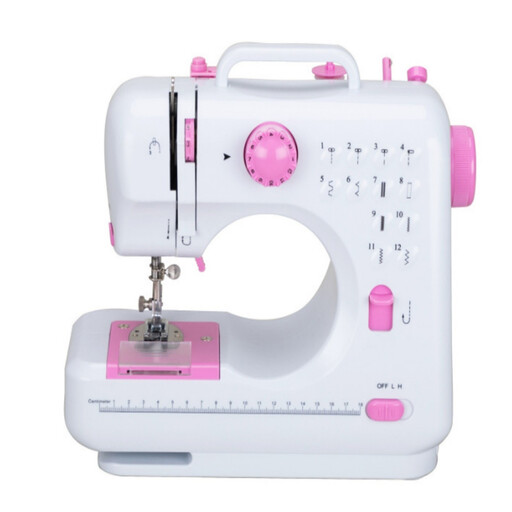
These compact IAGREEA machines are options to check for a bag project involving basic seams and hems. Confirm the pattern’s required stitches and the thickest fabric join before choosing either one.
 No image available
Consider this compact machine if the approved bag needs basic seams and hems. Its title specifies 12 stitches, dual power and an LED light; check that its stitch options meet the pattern and that it can manage the intended fabric layers.
Confirm the school’s equipment and supervision arrangements before a learner uses it.
 No image available
This compact option is worth checking for a project built around basic stitching and hemming. Its title specifies 12 stitches, dual power and an LED light; verify the required stitch types and the machine’s handling of the thickest planned join.
Check whether the school permits this machine and what supervision the learner needs.
Not necessarily: check the teacher’s instructions and approved pattern first. The Sewing Directory’s shopping-bag project gives zigzag stitching and folded hems as alternatives for finishing edges.
Test a seam that matches the thickest handle join, using the planned fabric layers, needle and thread. The Sewing & Craft Alliance advises trying a machine on the kinds and layers of fabric you intend to sew.
Switch the machine off before changing the needle or making adjustments, as the Health and Safety Executive advises in its sewing-machine guidance. Follow the school’s instruction and supervision arrangements for the work area.
Ask the school before bringing or using it. The school’s equipment rules, project requirements and supervision arrangements determine whether that machine can be used there.