Parents packing an everyday drink
If a child is happy with plain water, it offers a straightforward school-bag choice. The NHS identifies water and milk as the best drinks for children; bottle size and the school’s policy still matter.


Choose plain still water for an everyday school drink when the child will drink it: the NHS identifies water and milk as the best drinks for children. A sugar-free or no-added-sugar flavoured water is a taste-led alternative, but check its ingredients as well as its sugars figure—these products can contain sweeteners and other added ingredients. Check the school’s drinks policy and the pack format before buying for regular use.
If a child is happy with plain water, it offers a straightforward school-bag choice. The NHS identifies water and milk as the best drinks for children; bottle size and the school’s policy still matter.
When plain water is being refused, a sugar-free flavoured option may appeal for its taste. Check the exact ingredients and school rules rather than assuming that no added sugar means the drink is plain or unsweetened.
A portable format can be useful during the school day. Compare the drink label as well as the container: a low-sugar flavoured or functional drink is not necessarily plain water or sugar-free water.
Start with whether plain water is acceptable to the child. If choosing flavour instead, check the exact range and ingredient list before comparing pack formats.
Choose when: the child will drink plain water as their regular school drink; the NHS identifies water and milk as the best drinks for children.
Bear in mind: a child who wants a fruity taste may be reluctant to drink it, and the container still needs to suit the school day.
Choose when: taste is the reason plain water is being refused and the exact product meets the intended sugar preference.
Bear in mind: sugar-free does not mean unsweetened; Wirral Community Health and Care NHS Foundation Trust advises that most children’s drinks should still be water or milk.
| Priority | What to check | Your needs |
|---|---|---|
| Sugar wording | Compare “no added sugar”, “sugar free” and “low sugar” with the sugars figure per 100ml and the ingredient list. Volvic says its standard Touch of Fruit range contains some sugar and stevia leaf extract. | I want a school drink without added sugar, so a merely low-sugar label would not meet that requirement. |
| Flavoured ingredients | Look for sweeteners, acids and preservatives on the exact pack. Volvic Touch of Fruit Sugar Free Lemon & Lime lists acesulfame K and sucralose; Tesco’s no-added-sugar flavoured waters are described as drinks with sweeteners. | If we choose flavour, I want to know what else is in the drink rather than treating it as plain water. |
| School-day format | Check bottle volume, whether the closure reseals and whether the child can carry and use the container. Highland Spring lists 330ml, 500ml and 750ml screw- or sports-cap options in its still range. | A container that fits the school bag and the child’s routine matters more to me than a larger pack alone. |
| School suitability | Check the individual school’s rules for drinks and containers. Also check for caffeine: Buxton labels Peak FOCUS as containing 75mg caffeine per bottle and not recommended for children. | I need a drink and container the school permits, without mistaking a low-sugar functional drink for ordinary water. |
No-added-sugar flavoured drinks can contain sweeteners and other ingredients. The wording does not tell you whether a drink is unsweetened.
Read both the sugars figure and ingredient list; choose plain still water if avoiding added flavouring or sweeteners is the priority.
Volvic says its standard Touch of Fruit range is sweetened with some sugar and stevia leaf extract. That distinction matters if added sugar is what you want to avoid.
Check the exact range name and label rather than relying on the wider brand or product family.
Buxton Peak FOCUS contains 75mg caffeine per bottle and carries a statement that it is not recommended for children. A low-sugar description does not settle that question.
Check for caffeine and functional-drink wording before selecting a school drink for a child.
A school’s rules for packed-lunch drinks or containers may affect whether the chosen product can be taken in. Opened-use instructions also depend on the exact drink.
Check the school’s current policy and the pack’s storage instructions before buying for regular use.
A pack may go unused if its drink or container is not permitted at school.
These range descriptions help distinguish plain water from flavoured alternatives; they do not imply that every format has the same ingredients or is available here.
Highland Spring lists still spring water in several portable formats, including 330ml, 500ml and 750ml screw- or sports-cap bottles.
Evian describes its natural mineral water as having nothing added for taste or enhancement.
Volvic has plain natural mineral water and distinct flavoured ranges, including Touch of Fruit Sugar Free and standard Touch of Fruit.
Buxton lists plain still natural mineral water in 500ml, 750ml, 1L and 1.5L formats.
Tesco lists no-added-sugar flavoured still waters, including an Apple & Blackcurrant 4 × 250ml pack and a Summer Fruits 1L bottle.
These options include plain bottled water, sugar-free flavoured bottled water and one resealable canned water. Check the school’s rules on drinks and containers, particularly before choosing flavoured water or a can.
 No image available
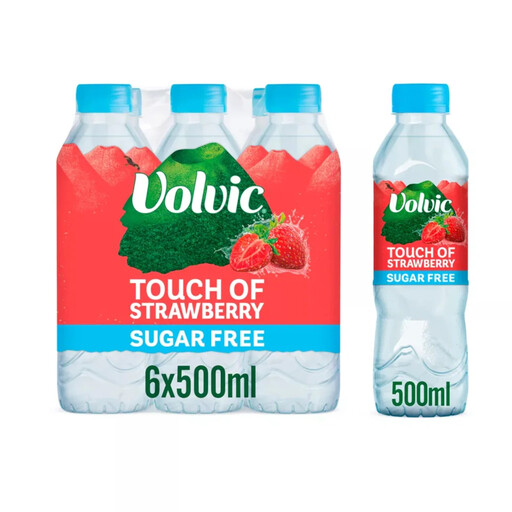
A strawberry-flavoured still-water option when taste is the reason for considering something other than plain water. The listing describes six 500ml bottles and reports 0g sugars per 100ml; it also lists sucralose, acesulfame K, citric acid and a preservative. Check the exact pack label and school policy.
 No image available
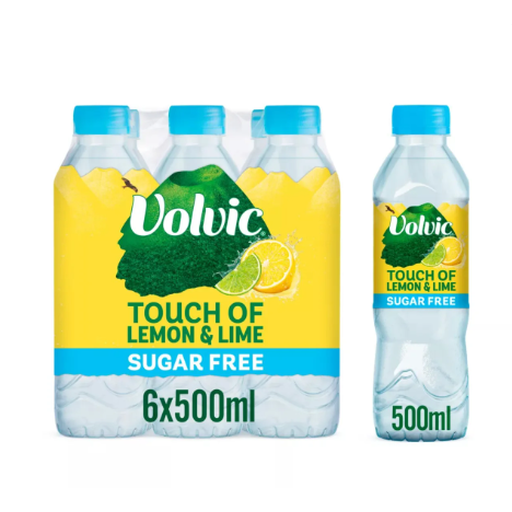
A lemon-and-lime flavoured still-water alternative for a child who prefers a flavoured drink. The listing describes six 500ml bottles and reports 0g sugars per 100ml; it lists acesulfame K, sucralose, citric acid and a preservative. Check the exact pack label and school policy.
 No image available
A plain mineral-water option for an everyday school drink when the child accepts plain water. The listing identifies six 500ml bottles; evian says it adds nothing to its natural mineral water for taste or enhancement. Check the exact pack label if its ingredient or nutrition details matter to you.
 No image available
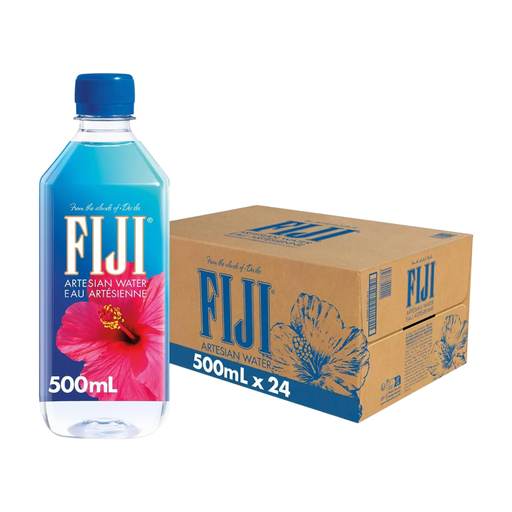
A plain still-water option in a 24-bottle pack. The listing names natural artesian water as the ingredient and reports 0g sugars per bottle. Check the bottle size before buying for a school bag: the title specifies 500ml, while the description also refers to 330mL.
 No image available
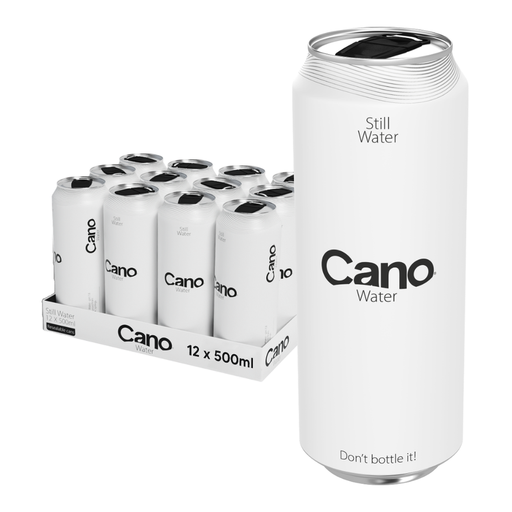
Plain still spring water in a resealable can rather than a bottle. The listing names natural spring water as the ingredient and reports 0g sugars per 100ml. Check that cans are permitted at the child’s school before choosing this format.
No. No-added-sugar flavoured water can contain sweeteners: Tesco describes its Apple & Blackcurrant product as a drink with sweetener, while Volvic lists acesulfame K and sucralose in Touch of Fruit Sugar Free Lemon & Lime. Check the ingredient list alongside the sugars figure.
Plain water is the straightforward choice when the child will drink it and the container suits school. The NHS identifies water and milk as the best drinks for children; Wirral Community Health and Care NHS Foundation Trust advises that most children’s drinks should be water or milk even when sugar-free alternatives are used.
Check the individual school’s drinks policy before buying it for packed lunches. The Department for Education’s school-food guidance concerns food and drink provided in state-funded schools in England; it does not, by itself, tell you what a particular school permits in a packed lunch.
A low-sugar description alone cannot establish that. Buxton states that Peak FOCUS contains 75mg caffeine per bottle and is not recommended for children, so check for caffeine rather than treating it as ordinary flavoured water.
Follow the storage and opened-use instructions on the exact pack. Instructions can differ between products, so check them before putting an opened bottle back in a school bag.