
24/7 Customer Support

Free returns

Same-day & Next-day Delivery

Quality Guaranteed

Unlock Your Welcome Offers: FREE Delivery | Up to 80% OFF | Free 30-day JoyPlus trial
Download the APP
Buying a bottle of Scotch whisky 70cl online can look straightforward, but labels often leave out the details that matter most to your drinking style. A familiar name does not automatically mean the bottle will suit your palate, while a higher price may reflect packaging, rarity or maturation choices rather than a flavour you will enjoy.
This guide cuts through common marketing shortcuts and explains what to check before choosing a single malt Scotch whisky, blended Scotch whisky, regional expression or multipack for your home.
A 12 year old Scotch whisky can be smooth and approachable, but an age statement only indicates the youngest whisky in the bottle. It does not tell you whether the flavour will be fruity, smoky, spicy or sweet.
Some younger blends are designed for mixing, while older whiskies may have stronger oak influence that is not suitable for every drinker. Treat age as one specification, not a guarantee of personal preference.
Regional names provide useful clues, but they are not strict flavour rules. A Speyside whisky is often associated with fruit, honey and gentle sweetness, while an Islay whisky may offer peat smoke, maritime notes and medicinal aromas. However, individual distilleries and cask choices create considerable variation.
Highland whisky can range from light and floral to rich and gently smoky. Island whisky, including whisky from Skye or Jura, may combine coastal character with fruit, spice or vanilla.
Most standard bottles contain 70cl, but a multipack may contain two bottles rather than one larger bottle. Check the listing carefully before comparing prices.
A typical 40% ABV whisky contains approximately 28 UK units per 70cl bottle. Higher-strength options contain more alcohol per bottle. For example, a 46.3% ABV 70cl bottle contains approximately 32.4 UK units. These figures matter when planning a home bar, buying a whisky gift or deciding how frequently a bottle will be served.
None of these categories is universally suitable for every buyer. Select according to how you plan to drink it.
Check both the alcohol percentage and net quantity. A 70cl bottle at 40% ABV is a common format for gifting and home storage. Higher ABV bottles may deliver a more concentrated experience, but can taste stronger when served neat.
For comparison, one 25ml measure of 40% whisky contains one UK unit. Always follow responsible drinking guidance and the product label.
Look for specific, useful descriptors rather than broad promotional language. Vanilla, pear, honey and orchard fruit generally suggest a softer profile, while peat, smoke, sea salt and ash indicate a more assertive style. Sherry-seasoned casks may contribute dried-fruit, chocolate, spice or nut-like notes.
Cask information can help you predict the character, but it should not replace checking the full product description and ABV.
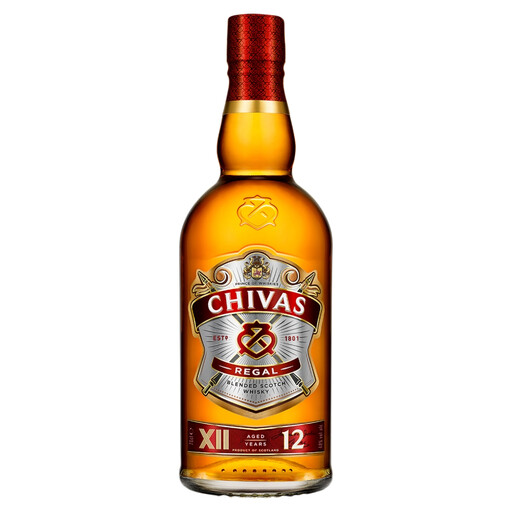
Why This Fits Their Persona: A 40% ABV blended Scotch whisky with a stated 12-year maturation, suitable for newcomers seeking a rounded bottle for sipping or simple mixed drinks.
The category, age statement, 70cl quantity and 40% ABV are clearly specified, making it easier to compare like for like.
Blended malt and grain whisky; 28 UK units per 700ml bottle.
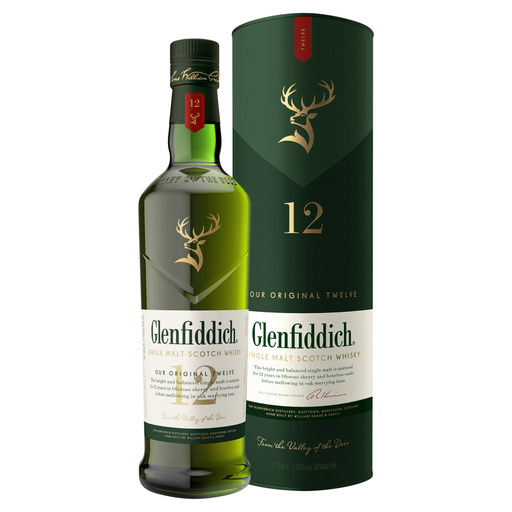
Why This Fits Their Persona: A Speyside single malt with a stated 12-year maturation for drinkers who want a recognisable regional style and a bottle suitable for gifting.
The stated region and age provide more useful buying information than relying on packaging or award language alone.
40% ABV; listed notes include pear, butterscotch, malt and subtle oak.
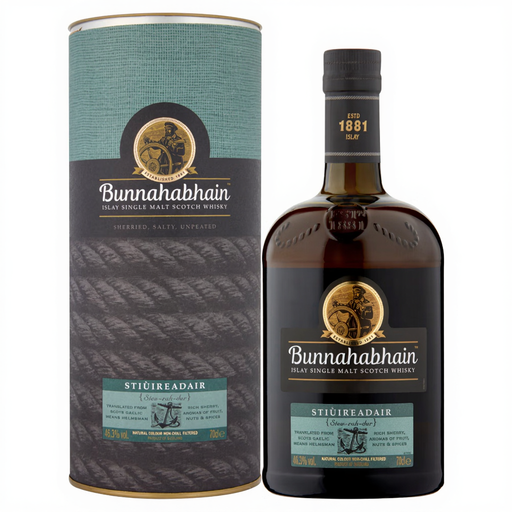
Why This Fits Their Persona: A 46.3% ABV Islay single malt for drinkers who prioritise a higher-strength bottle and a more distinctive regional style.
Its ABV is stated prominently, helping buyers avoid assuming every Scotch whisky 70cl bottle has the same strength.
46.3% ABV; made with water, malted barley and yeast.
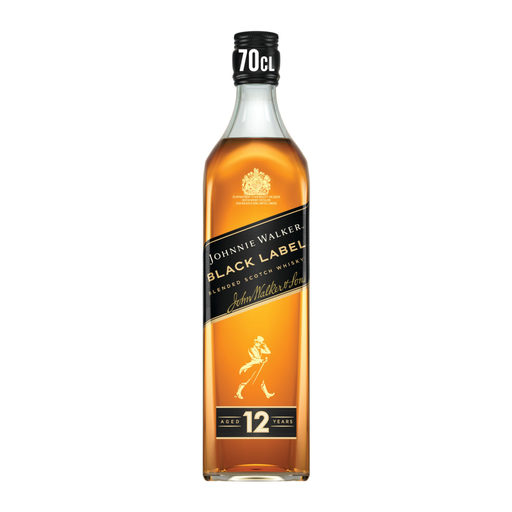
Why This Fits Their Persona: A 40% ABV blended Scotch whisky that can be served neat, over ice or in mixed drinks when hosting at home.
The 70cl size and standard ABV are easy to verify, while the blend format avoids paying solely for single-distillery positioning.
40% ABV; made in Scotland and listed with plain caramel colouring.
We have compiled a complete, real-time list of products that fully satisfy these strict selection criteria and UK safety regulations.
Store an unopened bottle upright in a cool, dry and dark place, away from direct sunlight and strong odours. Unlike wine, Scotch whisky should not be stored on its side because prolonged contact with high-strength alcohol can affect the closure.
After opening, keep the cap or cork tightly sealed. A bottle may remain enjoyable for a long time, but frequent exposure to air can gradually change its aroma. If you are buying a whisky multipack, keep spare bottles sealed until needed.
Serve a milder Speyside or blended style neat, with ice or in a highball. For smoky Islay or island whisky, a few drops of water may soften the alcohol impression and reveal additional aromas. Avoid presenting serving suggestions as rules: personal preference should determine the final choice.
A 70cl bottle contains 700ml. At 40% ABV, it holds approximately 28 UK units. A 25ml measure contains one unit. Check the exact ABV on higher-strength bottles because the unit total will be different.
Yes. The format is widely used for gifts and home bars, and it is large enough for several measured servings. Choose a single malt for someone interested in regional character, or a blended Scotch whisky if you are unsure of their preferred style.
Look for a clearly described, lower-intensity profile featuring fruit, honey, vanilla or gentle oak. A smooth Speyside whisky or approachable blend may be easier to start with than a heavily peated Islay whisky. Buy according to flavour descriptions, ABV and serving plans rather than price alone.
All alcohol products featured are for adults aged 18 and over. Drink responsibly, do not drink and drive, and follow UK Chief Medical Officers’ guidance that adults should not regularly exceed 14 units per week. It is safest not to drink alcohol during pregnancy.