
24/7 Customer Support

Free returns

Same-day & Next-day Delivery

Quality Guaranteed

Unlock Your Welcome Offers: FREE Delivery | Up to 80% OFF | Free 30-day JoyPlus trial
Download the APP
Buying a Scotch whisky 70cl bottle online can seem straightforward, but the label often contains more useful information than the front-of-pack marketing. Whether you are choosing a whisky gift, building a home bar or exploring regional styles, a few checks can prevent an expensive bottle from ending up untouched.
The main risks are usually not product faults. They are buying a flavour profile you do not enjoy, confusing age statements with overall quality or overlooking the difference between a 70cl single bottle and a multipack. Use the guide below to compare bottles more objectively.
A 12 year old whisky contains whisky aged for at least 12 years, but age does not automatically indicate whether it will suit your palate. Cask type, blending, alcohol strength and regional style all influence the finished drink.
For example, a 12 year old blended Scotch whisky may taste softer and more balanced than a strongly peated single malt. Neither style is inherently preferable; they simply suit different drinkers.
Descriptions such as “honey”, “vanilla”, “smoke” and “dried fruit” are useful signposts, not promises that every drinker will identify the same notes. Your serving method, glassware and personal taste affect perception.
Look for objective details alongside tasting notes, including single malt or blended Scotch whisky, maturation casks, region and ABV.
Most standard Scotch whisky bottles contain 70cl, but some listings are for a pack of two. Check the product title, quantity and price per bottle before ordering.
At 40% ABV, a 70cl bottle contains approximately 28 UK units, while a 25ml measure contains about 1 unit. Higher-strength whisky contains more alcohol units per bottle. UK Chief Medical Officers advise that adults should not regularly exceed 14 units per week. Drink responsibly and follow the information on the product label.
Single malt Scotch whisky is made at one distillery using malted barley. It can provide a clear sense of a distillery’s regional and cask style.
Blended Scotch whisky combines malt and grain whiskies from different distilleries. Blends can offer a consistent, rounded profile and may be approachable for newcomers or useful when serving several guests.
If you prefer a gentler starting point, a smooth blend may be practical. If you want to compare distillery character, consider a single malt.
The region gives a broad indication of style, although it is not a strict flavour rule.
Cask information also matters. Sherry cask whisky may show notes associated with raisins, orange, chocolate or baking spice, while ex-bourbon casks commonly contribute vanilla and oak tones. Read the full product description to see whether the whisky was matured or finished in a particular cask.
Many accessible bottles are bottled at 40% ABV, while selected expressions use a higher strength such as 45.3% or 48.2%. A higher ABV can provide a fuller mouthfeel, but it may also taste more intense.
Age statements should be considered together with cask type and style. Also check serving guidance. Some whiskies are designed for neat drinking or a small amount of water, while others can work in cocktails or with ice. Store an opened bottle upright in a cool, dark place away from direct sunlight.
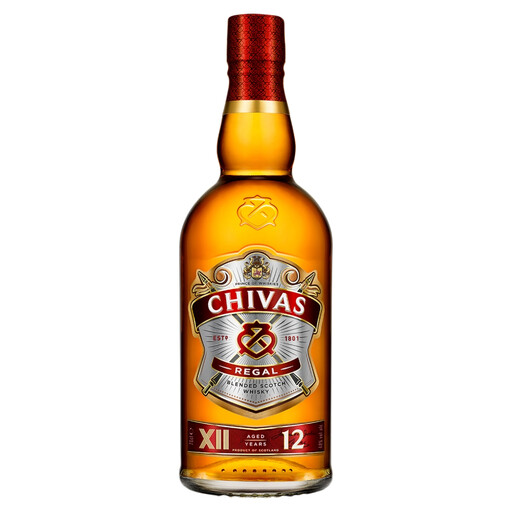
Why This Fits Their Persona: This 40% ABV blended Scotch whisky is a practical starting point for shoppers seeking a rounded bottle for relaxed home pours or casual gifting.
The label clearly identifies it as a blend and gives the 70cl size and 40% ABV, helping buyers avoid confusing a standard bottle with a multipack or stronger expression.
Blended malt and grain whisky; 12-year age statement; 28 UK units per 700ml bottle.
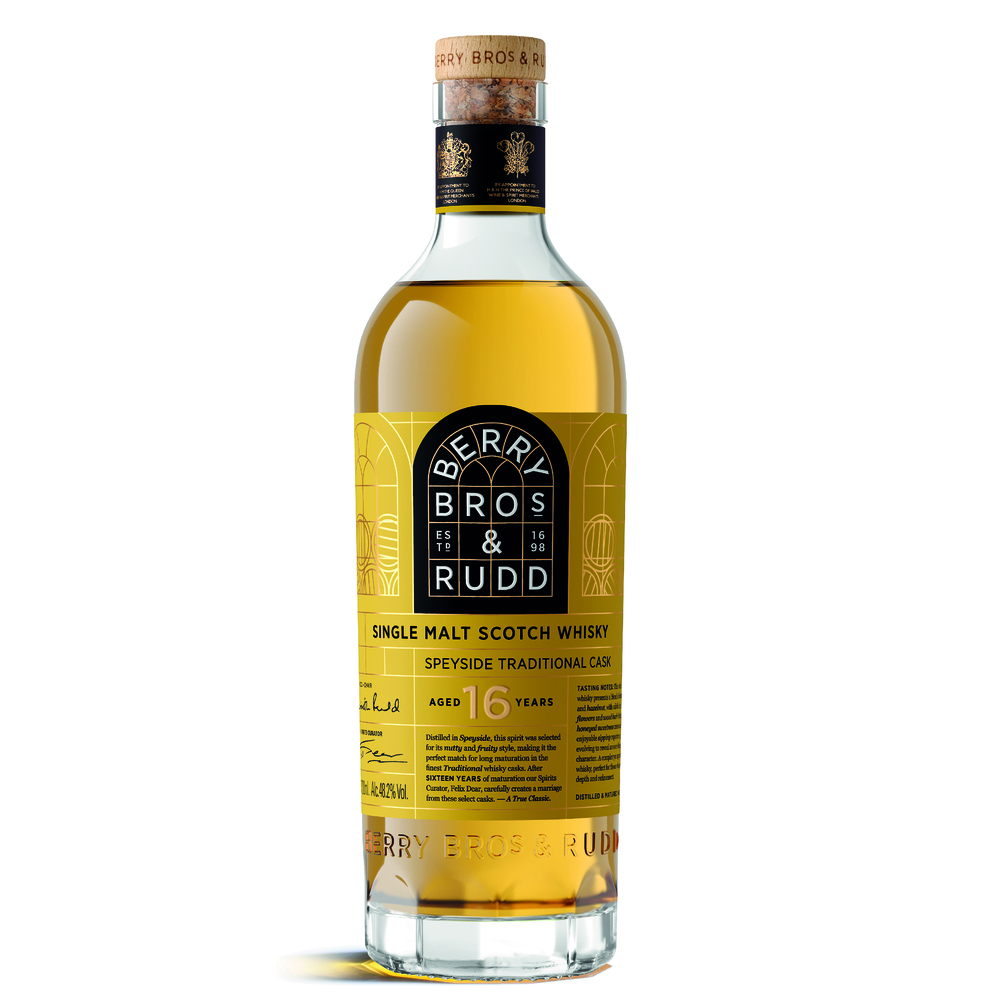
Why This Fits Their Persona: A 70cl Speyside single malt with a 16-year age statement and 48.2% ABV suits drinkers looking for a more concentrated pour for special occasions.
Its stated age, region and ABV are visible selection points rather than relying only on luxury wording or vague maturity claims.
Speyside single malt; traditional cask maturation; 48.2% ABV for a fuller-strength serving.

Why This Fits Their Persona: Buyers who already enjoy smoky flavours may prefer this Islay single malt, with its peated character and 40% ABV format.
The Islay origin and 10-year age statement set clear expectations, so shoppers can distinguish a deliberately peated profile from a mild Highland or Speyside style.
Islay single malt; peated whisky style; 70cl bottle at 40% ABV.
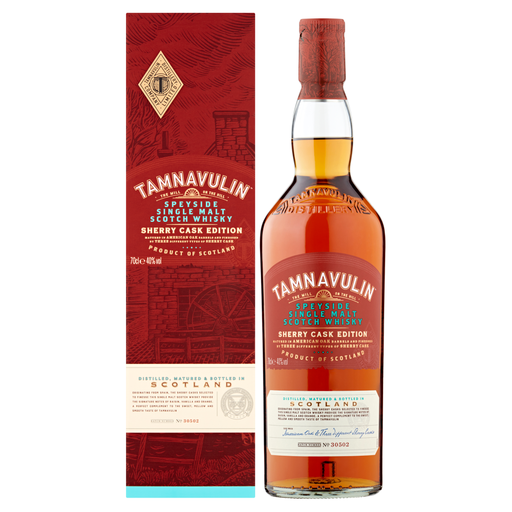
Why This Fits Their Persona: This Speyside single malt is suited to shoppers who enjoy sweeter, fruit-led whisky and want a sherry cask option for a home collection or whisky gift.
The listing specifies American oak plus three types of sherry cask, giving more useful information than a generic “rich” or “smooth” claim.
Speyside origin; sherry cask influence; 40% ABV and 28 UK units per bottle.
If a Speyside profile appeals to you, compare bottle size, cask details, age statement and ABV across the wider range before buying Scotch whisky online. You can also consider a pack of two when sharing bottles, although always confirm the total quantity and unit count at checkout.
We have compiled a complete, real-time list of products that fully satisfy these strict selection criteria and UK safety regulations.
A 70cl bottle contains approximately 28 x 25ml measures. The exact number of servings depends on whether you pour 25ml, 35ml or larger measures. At 40% ABV, the bottle contains about 28 UK units.
Usually not. Store the bottle upright in a cool, dry, dark place away from direct sunlight and large temperature changes. Refrigeration is generally unnecessary. Keep the cap or cork securely closed to reduce air exposure after opening.
It can be, but flavour intensity varies considerably. A fruit-led Speyside whisky or a rounded Highland expression may feel more approachable than a heavily peated Islay whisky. Check the region, cask type and tasting description, then choose according to the recipient’s known preferences rather than relying only on age or price.