
24/7 Customer Support

Free returns

Same-day & Next-day Delivery

Quality Guaranteed

Unlock Your Welcome Offers: FREE Delivery | Up to 80% OFF | Free 30-day JoyPlus trial
Download the APP
Buying a Scotch whisky 70cl bottle should be straightforward, yet crowded shelves and polished marketing can make comparison difficult. A higher price does not automatically mean a better match for your palate, while an age statement tells you only part of the story.
Whether you are choosing a single malt Scotch whisky for yourself, a blended Scotch whisky for sharing or a whisky gift bottle for a UK occasion, focus on the details that affect flavour, strength and value.
An age statement refers to the youngest whisky in the bottle. A 12-year-old Scotch whisky has been matured for at least 12 years, but age does not tell you whether the flavour will be sweet, smoky, spicy or light. Cask type, distillery style and blending decisions also influence the final profile.
An aged Scotch whisky can offer depth, but a younger bottle may be more suitable if you prefer fresh fruit, vanilla or an easy-drinking style.
Regions such as Speyside, Highland and Islay are useful starting points, not strict flavour rules. Speyside whisky is often associated with fruit and sweetness, while Islay whisky is frequently linked with peat and coastal notes. However, individual maturation methods can create substantial variation within each region.
Read the tasting description and cask information rather than relying on the region alone.
Most standard Scotch whisky bottles contain 70cl (700ml) and are sold at around 40% ABV, but some expressions are stronger. For example, a 40% ABV 70cl bottle contains approximately 28 UK alcohol units, while a 46.3% ABV bottle contains more.
Check the ABV, net quantity, age restriction and storage guidance before buying. Alcohol is only for adults aged 18 and over, and responsible drinking advice should always be followed.
A 70cl bottle is a practical format for home use and gifting. It provides approximately 28 measures of 25ml at 40% ABV, although serving sizes vary. Stronger whisky, such as a 46.3% ABV single malt, contains more alcohol per serving.
The ABV also affects mouthfeel. Higher-strength whisky may taste fuller or more intense, while standard-strength bottles are often easier to approach neat, with ice or in a mixed drink.
A single malt Scotch whisky is made from malted barley at one distillery. It may suit drinkers who want a distinctive distillery and regional character.
A blended Scotch whisky combines malt and grain whiskies from different distilleries. Blends can offer a consistent, rounded profile and may be practical for sharing or mixed drinks.
Single grain Scotch whisky is made primarily from grains other than malted barley and is often lighter in style. Haig Club Clubman, for example, is listed as a 40% ABV single grain Scotch whisky with vanilla and toffee notes.
Cask information is one of the most useful indicators when comparing bottles:
For a sweeter style, look towards sherry cask whisky or bourbon-cask maturation. If you want a smoky whisky, Islay bottles and peated malt expressions are sensible places to start.
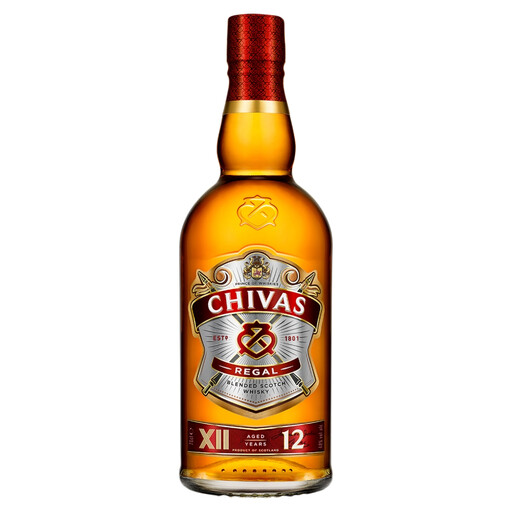
Why This Fits Their Persona: A 40% ABV blended Scotch with a stated minimum age of 12 years, suited to newcomers seeking a rounded bottle for relaxed home drinking or sharing.
The label clearly identifies it as a blended Scotch whisky, 70cl and 40% ABV, making the basic specification easy to compare.
Malt and grain whiskies; 28 UK units per 700ml bottle; vanilla, honey and ripe apple notes are listed in the product description.
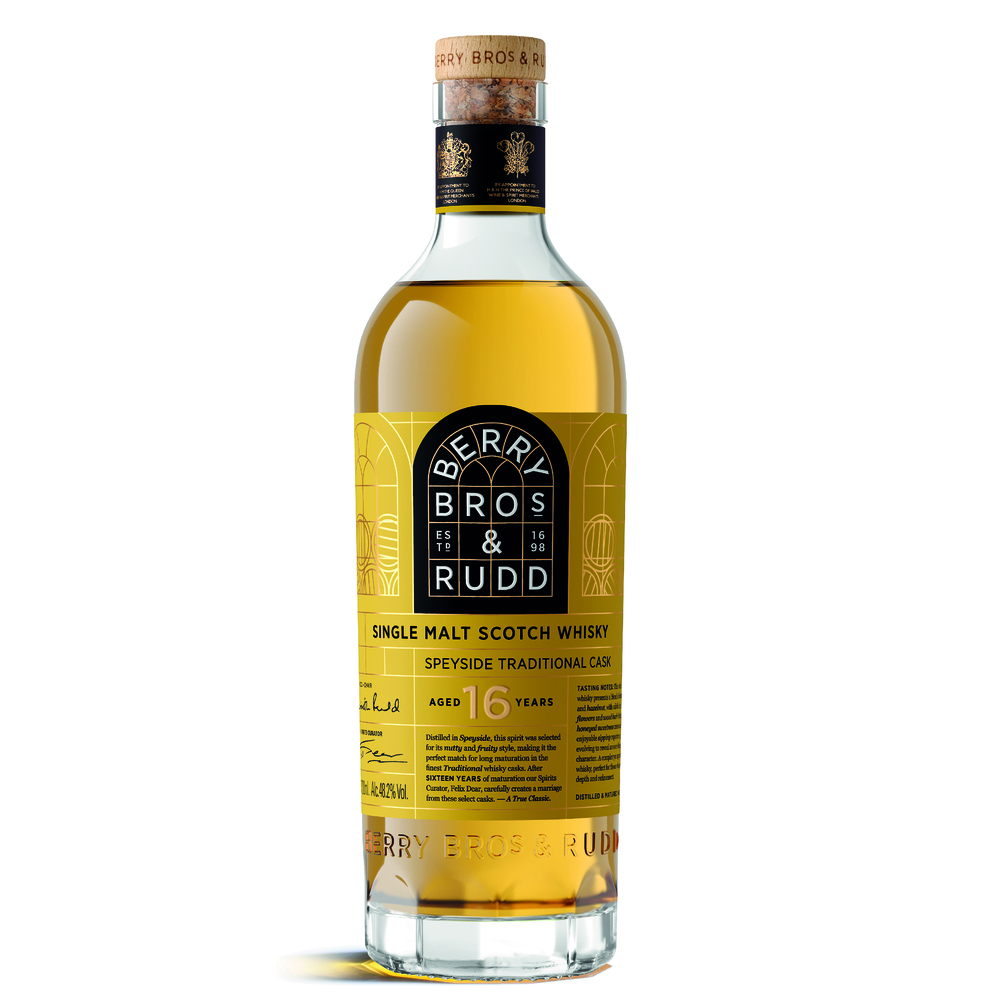
Why This Fits Their Persona: A 16-year-old Speyside single malt bottled at 48.2% ABV, appropriate for drinkers looking for a mature, fuller-strength bottle for slow sipping or gifting.
The age statement and 48.2% ABV are specified, so the buyer can assess maturity and strength instead of relying on vague premium wording.
Speyside origin; 16-year age statement; 48.2% ABV and listed notes of honeyed malt, orchard fruit, toffee and soft spice.

Why This Fits Their Persona: Its product description focuses on intense peat, earthy smoke, sea salt and spice, making it a clear option for drinkers who specifically want a bold Islay profile.
The prominent peated and smoky description reduces the risk of buying an unexpectedly delicate whisky when a powerful style is required.
Islay single malt; 70cl bottle; 40% ABV; listed flavour cues include peat smoke, coastal salt, spice and subtle sweetness.
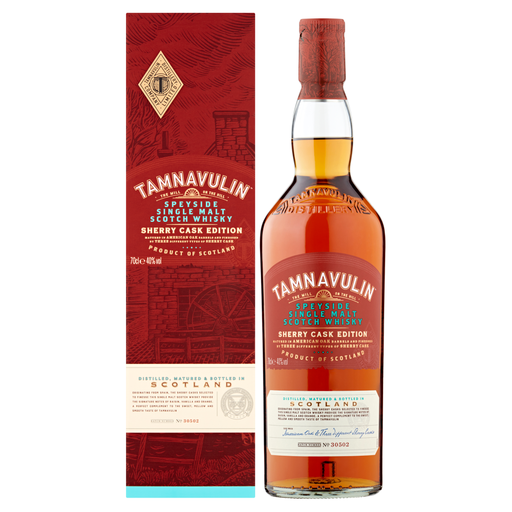
Why This Fits Their Persona: A 40% ABV Speyside single malt with American oak and three sherry-cask influences, suitable when a softer, fruit-led whisky gift is preferred.
The cask information is stated clearly, helping shoppers select dried-fruit and sweet-spice characteristics rather than guessing from the packaging.
Speyside origin; 70cl format; listed notes include raisin, vanilla, orange, maple syrup and gentle spice.
We have compiled a complete, real-time list of products that fully satisfy these strict selection criteria and UK safety regulations.
Before placing an order to buy whisky online, check the product page for 70cl volume, ABV, age statement, region, cask details and allergen information. Packaging can also matter when selecting a whisky gift bottle, particularly if presentation is important.
Store an unopened bottle upright in a cool, dry place away from direct sunlight. Whisky does not generally improve with age once bottled. After opening, keep the cap or cork secure and avoid prolonged exposure to heat, light and air.
At a 25ml serving size, a 70cl bottle contains approximately 28 measures. Larger pours will reduce the number of servings. A 40% ABV bottle contains around 28 UK units in total.
Not necessarily. Strength depends on the bottling rather than whether the whisky is single malt or blended. Many bottles in both categories are 40% ABV, while some single malts are bottled at higher strengths.
A lighter Speyside or Highland whisky, or a smooth blend, may be easier to approach than a strongly peated Islay whisky. Fruit, vanilla and honey notes are often gentler starting points, while smoky whisky can be selected later if you want a more intense flavour profile.