
24/7 Customer Support

Free returns

Same-day & Next-day Delivery

Quality Guaranteed

Unlock Your Welcome Offers: FREE Delivery | Up to 80% OFF | Free 30-day JoyPlus trial
Download the APP
Navigating the world of Scotch whisky can feel overwhelming. With shelves lined with bottles boasting impressive age statements and evocative regional names, it’s easy to fall into common traps that lead to a disappointing purchase. Many of us have been there: spending a premium on a bottle that doesn’t suit our taste, or defaulting to the same old choice for fear of picking the wrong one.
As a Joybuy Product Recommendation Officer, my role is to help you see past the marketing jargon. Before you decide to buy whisky online, let’s look at the frequent pitfalls that catch out UK shoppers and how to sidestep them to find a dram you’ll genuinely enjoy.
To make an informed choice, focus on these two core parameters. They will tell you more about the liquid in the bottle than most marketing slogans.
The category of Scotch is the first clue to its character. All Scotch must be matured in oak casks in Scotland for at least three years, but their composition differs significantly.
The flavour of a whisky is heavily influenced by the oak casks it matures in and the region it comes from.
Here are a few recommendations matched to different tastes and occasions, helping you find the right whisky 70cl bottle for your cabinet or as a thoughtful whisky gift.
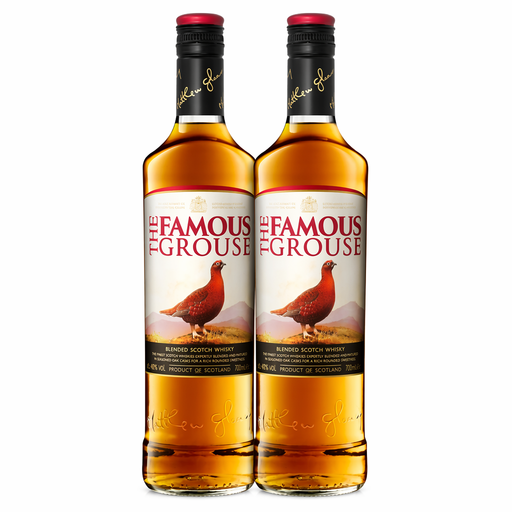
Why This Fits Their Persona: This is for the person who wants a reliable, no-fuss dram. It's perfect for a simple whisky and ginger ale after work or for sharing with friends without worrying about a hefty price tag. It's a staple in many UK homes for a reason.
It sidesteps the "single malt superiority" myth by demonstrating the value of a well-made blended Scotch whisky. Its purpose is balance and mixability, not singular intensity.
Consistently smooth and balanced profile. Highly versatile for sipping neat, on the rocks, or in a wide range of simple mixed drinks.
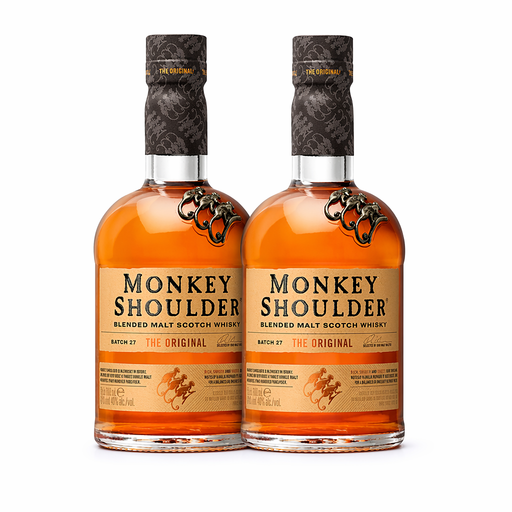
Why This Fits Their Persona: This is for the enthusiast who enjoys making cocktails at home but wants a base that is high quality in its own right. It's a blended malt whisky, combining three different Speyside single malts for a smooth, rich and versatile character.
It challenges the simplistic view of blends by showcasing what a blended malt can be: complex, premium and specifically crafted for a modern palate, bridging the gap between simple blends and single malts.
Exceptionally smooth with notes of zesty orange, vanilla and honey. It's crafted to excel in cocktails like a Whisky Sour or Old Fashioned.
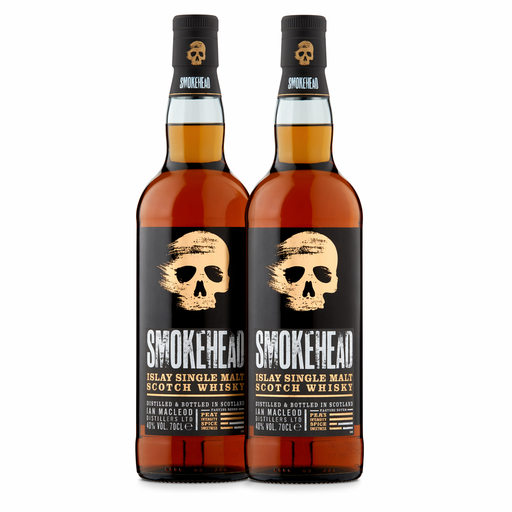
Why This Fits Their Persona: For the drinker who is ready to explore one of Scotland's most iconic flavour profiles. If you enjoy bold, intense flavours and are curious about smoky whisky, this is an excellent and unapologetic introduction to a classic peaty Islay whisky.
It completely avoids the "flavour confusion" pitfall by being upfront about its character. The name itself is a clear signal. This isn't a subtle dram; it's a full-on peat and smoke experience for those who seek it.
Delivers a powerful wave of thick, earthy smoke, balanced with notes of sea salt and a subtle sweetness. It's a memorable and distinctive single malt.
We have compiled a complete, real-time list of products that fully satisfy these strict selection criteria and UK safety regulations.
A single malt whisky is produced by a single distillery using only malted barley, offering a unique snapshot of that distillery's character. A blended Scotch whisky contains a mix of different malt and grain whiskies from various distilleries, crafted by a master blender to achieve a specific, consistent flavour profile.
Once opened, a bottle of Scotch whisky should be stored upright in a cool, dark place, away from direct sunlight and significant temperature changes. Unlike wine, whisky does not mature further in the bottle. A tightly sealed bottle will maintain its character for a year or two, though the flavour may slowly soften over time as it is exposed to air with each pour.
Not necessarily. Age can add complexity and mellow harsh notes, but it's not a guarantee of quality. The type and quality of the cask, the distillation process and the blender's skill are equally, if not more, important. Many younger whiskies are celebrated for their vibrant and distinct flavours, so it's worth exploring different age statements to find what you prefer.