
24/7 Customer Support

Free returns

Same-day & Next-day Delivery

Quality Guaranteed

Unlock Your Welcome Offers: FREE Delivery | Up to 80% OFF | Free 30-day JoyPlus trial
Download the APP
Buying Scotch whisky online should be straightforward, but attractive labels and vague tasting language can make comparison difficult. A bottle described as “premium” may simply have a decorative presentation, while a larger whisky multipack may not offer useful value if the flavour style is not suited to your household.
The practical approach is to check the whisky category, maturation details, bottle size and alcohol strength before paying. This guide explains the key differences between blended Scotch whisky, single malt Scotch whisky and related spirits, then matches several bottles to common UK buying profiles.
A 12 year old Scotch whisky is not automatically stronger, smokier or more complex than a younger bottle. The age statement indicates the youngest whisky in the bottle, but flavour is also influenced by the cask, distillery style, blending and alcohol strength.
Similarly, a whisky without a prominent age statement is not necessarily poor value. Look at the complete product description rather than judging by the number on the label alone.
Peat and smoke are associated particularly with some Islay whisky and island single malt whisky styles, but many Scotch whiskies are soft, fruity, honeyed or spice-led. A shopper seeking an easy dram may find an intensely peated bottle difficult to enjoy, while a smoky whisky enthusiast may find a light Speyside whisky too gentle.
A 70cl whisky bottle is a common format for gifting or occasional sipping. A 1L whisky bottle or whisky multipack can be more practical for a home bar, cocktails or sharing, but compare the price per 100ml and check whether the pack contains two identical bottles.
At 40% ABV, a 70cl bottle contains approximately 28 UK units, while a 1L bottle contains approximately 40 units. The number of servings depends on the pour size, so responsible drinking remains important. UK Chief Medical Officers advise that adults should not regularly exceed 14 units per week.
Blended Scotch whisky combines malt and grain whiskies from more than one distillery. Blends are often selected for consistency and can work well neat, with ice, in a highball or in cocktails.
Single malt Scotch whisky is made at one distillery from malted barley. It can be a useful choice when you want to explore regional character, although the flavour profile still varies considerably between distilleries.
Scotch whisky must be produced in Scotland and matured in oak casks for the legally required period. By contrast, Tennessee whiskey and Irish whiskey are different categories with their own production origins and conventions. Jameson Black Barrel is Irish whiskey, while Jack Daniel’s bottles are Tennessee whiskey, so neither should be treated as a Scotch comparison despite their similar serving occasions.
Cask information can provide a useful flavour guide:
Cask descriptions are indicators rather than guarantees. Personal taste, peat level and the underlying spirit still matter.
Most bottles in this selection are 40% ABV, while Talisker Skye is listed at 45.8% and Jack Daniel’s Bonded at 50%. Higher ABV can mean more alcohol units per bottle and a more concentrated drinking experience, but it does not automatically indicate superior quality.
Check the label for ABV, allergens, net quantity and responsible drinking information. Whisky generally contains no fat or protein and has no added sugar in the usual sense, although some products list permitted caramel colouring such as E150a. Always follow the current packaging information.
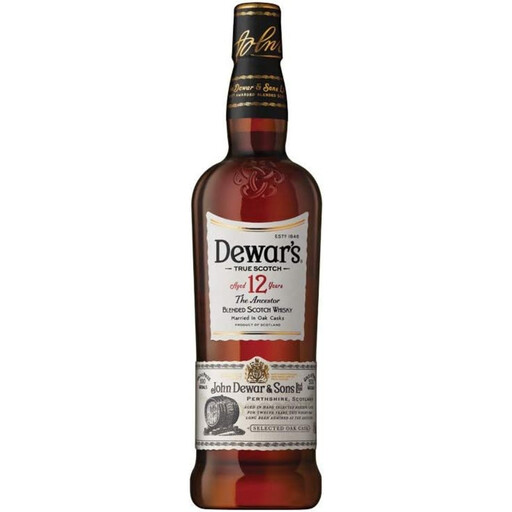
Why This Fits Their Persona: A 70cl blended Scotch whisky with a 12-year age statement suits shoppers seeking a familiar format and a fruit-led style for relaxed sipping.
The stated blend, 70cl quantity, 40% ABV and minimum 12-year maturation make the purchase easier to assess than a vague “premium” description.
Blended malt and grain whisky; 40% ABV; suitable for neat serves or simple mixed drinks.
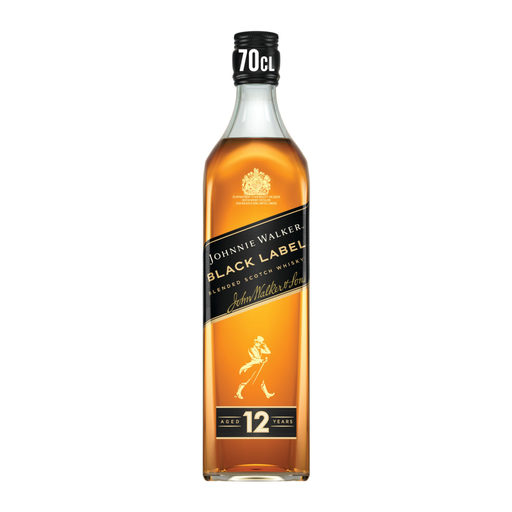
Why This Fits Their Persona: Its recognisable presentation and standard 70cl format make it suitable for a whisky gift or a considered addition to a home collection.
The product listing identifies Scotch whisky, 40% ABV and storage requirements, helping you assess the bottle beyond its presentation.
70cl bottle; 40% ABV; a versatile blended style for neat serves, ice or mixed drinks.
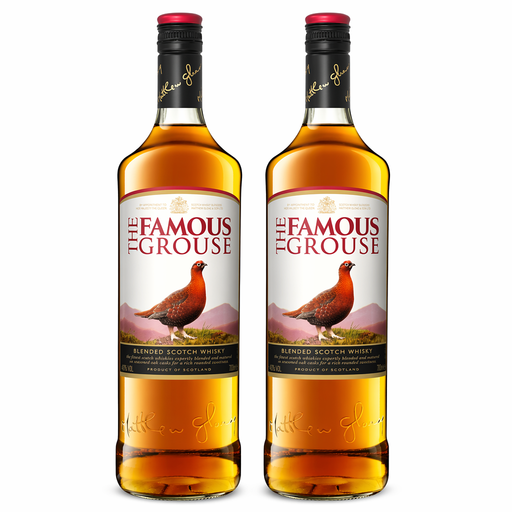
Why This Fits Their Persona: Two 1L bottles are practical for hosts, cocktail makers and home-bar owners who want a familiar blended Scotch whisky in a generous format.
The listing clearly states the two-bottle format and 1L size, so the quantity can be compared with 70cl bottles and the higher unit total considered.
Two 1L bottles; 40% ABV; suitable for sharing, highballs and cocktails.
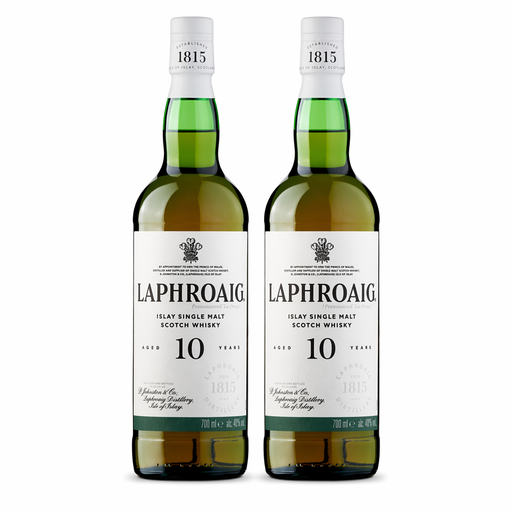
Why This Fits Their Persona: This two-bottle Islay whisky pack suits drinkers who specifically seek peat, coastal character and a pronounced smoky profile.
The stated Islay origin, single malt category and 10-year maturation provide clearer style information than relying on dramatic packaging language.
Islay single malt; 70cl bottles; 40% ABV; designed around peated, smoky and maritime notes.
We have compiled a complete, real-time list of products that fully satisfy these strict selection criteria and UK safety regulations.
Store Scotch whisky upright, in a cool, dry and dark place away from direct sunlight and strong temperature changes. Unlike wine, whisky should not generally be stored on its side because prolonged contact with high-strength alcohol can affect the closure.
A tulip-shaped glass can concentrate aromas, while a tumbler with ice is convenient for casual serves. Try a small amount neat first, then add a few drops of water if you want to open the aroma. Blended Scotch whisky also works well with ginger ale, soda or cola, while sherry cask whisky can pair with dark chocolate, dried fruit and desserts.
No. Smoke usually comes from peat and is more common in certain Islay and island single malt whisky styles. Speyside whisky often leans towards fruit, honey, vanilla or spice, although individual bottles vary.
A properly sealed bottle can remain drinkable for a long time when stored upright and away from heat and sunlight. However, a bottle with a small amount remaining may gradually lose aroma through air exposure. Reseal it firmly and avoid transferring it repeatedly between containers.
Not necessarily. Compare the total price with the combined bottle volume and calculate the cost per 100ml. Also consider whether you genuinely want two bottles of the same style, particularly when buying strongly peated whisky or a higher-ABV spirit.