
24/7 Customer Support

Free returns

Same-day & Next-day Delivery

Quality Guaranteed

Unlock Your Welcome Offers: FREE Delivery | Up to 80% OFF | Free 30-day JoyPlus trial
Download the APP
Buying Scotch whisky online can be surprisingly difficult. Labels often highlight age, cask type or regional character, while leaving out details that affect how the bottle will actually suit your preferences. A 70cl whisky may look impressive on a shelf but still be the wrong choice if you dislike smoke, prefer cocktails or need a suitable whisky gift.
This guide explains the practical details to check before purchasing, followed by our top recommendations for different drinking occasions.
A 12 year old whisky is not necessarily lighter or less interesting than a bottle with a higher age statement. Age indicates the minimum time the youngest whisky in the bottle spent maturing in oak. It does not describe sweetness, smoke, body or overall style.
For a first purchase, match the flavour profile to the recipient rather than choosing by age alone. A 12-year single malt Scotch whisky may suit someone who enjoys fruit and vanilla, while a younger non-age-statement peated whisky could be more appropriate for someone who prefers smoky flavours.
Regions such as Speyside, Highland and Islay whisky provide useful context, but they are not complete tasting descriptions. Speyside whisky often includes fruity, honeyed expressions, yet it can also include richer sherry cask whisky. Islay whisky is commonly associated with peat and coastal notes, although individual distilleries vary considerably.
Likewise, island Scotch whisky can range from gently maritime and fruity to strongly smoky. Check the product description, maturation details and ABV rather than relying on the region alone.
Most standard bottles contain 70cl whisky at around 40% ABV. A 700ml bottle at 40% ABV contains approximately 28 UK units, while higher-strength bottles contain more. For example, the Bunnahabhain listed below is 46.3% ABV, so its total alcohol content is higher than a standard 40% bottle.
Also consider how it will be served. A smooth blended Scotch whisky may work well in highballs and mixed drinks, while a distinctive single malt may be more suitable for sipping neat or with a little water.
Under the Scotch Whisky Regulations, Scotch whisky must be produced in Scotland, matured in oak casks for at least three years and bottled at a minimum of 40% ABV. The main categories include:
These categories describe production, not a guaranteed quality level. Choose according to taste and serving plans.
A stated age refers to the youngest whisky in the bottle. A 12-year expression has been matured for at least 12 years, but cask selection remains important. Bourbon cask whisky often develops vanilla, coconut and soft oak notes, whereas sherry cask whisky may offer dried fruit, chocolate and spice.
A sherry cask finish does not necessarily mean the whisky spent its full maturation in sherry casks. Look for wording such as “finished in” or “matured in” to understand the distinction.
Peated whisky gains smoky, earthy or medicinal notes from peat smoke used when drying malted barley. Islay expressions can be particularly smoky, but not every Islay bottle has the same intensity.
ABV also affects mouthfeel and dilution. Higher-strength whisky can be enjoyed with a splash of water, while 40% expressions are often ready to serve neat, over ice or in a mixed drink. Always check the label for allergens, responsible drinking guidance and storage instructions.
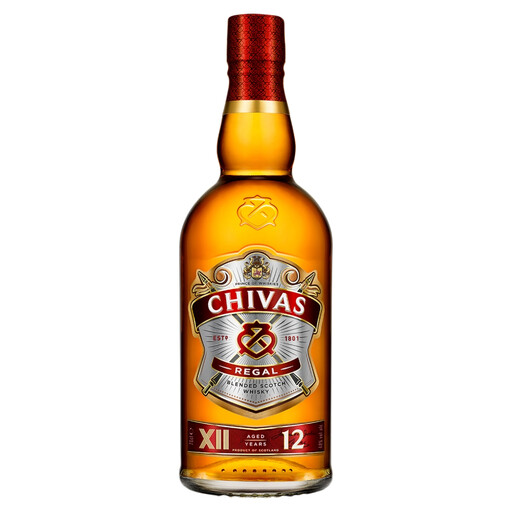
Why This Fits Their Persona: A practical starting point for UK shoppers who want a familiar 40% ABV blended Scotch whisky for casual sipping, home bars or mixed drinks.
Its clear 12-year age statement, 70cl size and 40% ABV make the key purchase details easy to compare without relying on vague tasting language.
Blended malt and grain whisky; suitable for neat serves, ice or long drinks.
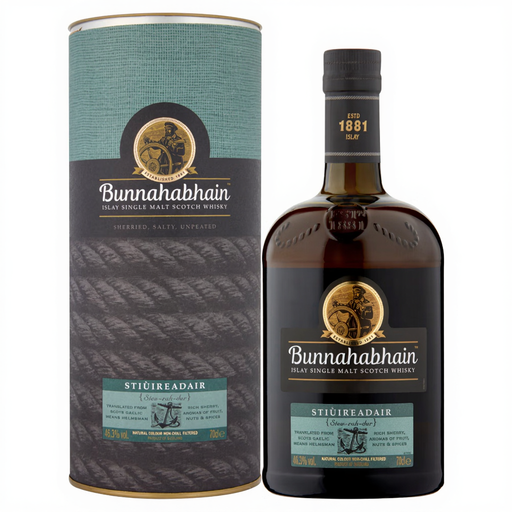
Why This Fits Their Persona: A single malt option for drinkers seeking a higher-strength Islay whisky with a more distinctive bottle for slow sipping or gifting.
The 46.3% ABV is clearly stated, helping buyers avoid confusing a fuller-strength expression with a standard 40% bottle.
Single malt Scotch whisky from Islay; 70cl bottle with a stated 46.3% ABV.
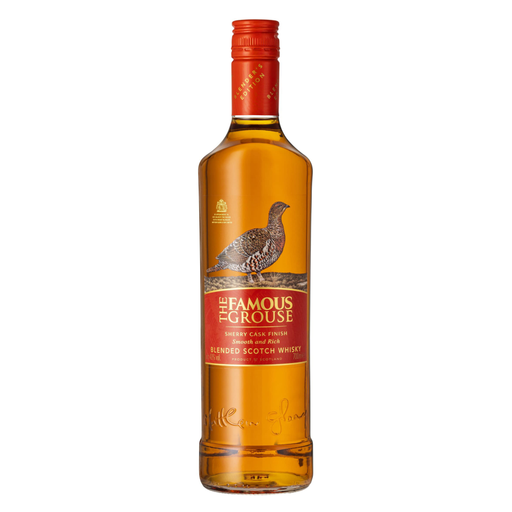
Why This Fits Their Persona: A versatile choice for households that want one bottle for seasonal gatherings, highballs, cocktails and relaxed serves over ice.
The label identifies a sherry cask finish and 40% ABV, so shoppers can distinguish added cask influence from an age statement.
Blended Scotch whisky; sherry-seasoned oak finish; suitable for highballs or neat serves.

Why This Fits Their Persona: Designed for adults who specifically enjoy peated whisky, smoky coastal notes and a more pronounced Islay style.
The Islay origin, single malt category and 10-year age statement are explicit, reducing the risk of buying a smoky style by accident.
Single malt Scotch whisky; 10-year maturation; 40% ABV and 28 UK units per 70cl bottle.
We have compiled a complete, real-time list of products that fully satisfy these strict selection criteria and UK safety regulations.
Blended Scotch whisky and lighter single grain expressions are often convenient for highballs, Whisky Sours and other mixed drinks. More characterful single malts can also be used, but their regional and cask notes may be less noticeable once combined with mixers.
Store Scotch whisky upright in a cool, dry place away from direct sunlight and strong odours. Keep the cap tightly closed. Unlike wine, whisky should not be stored on its side because prolonged contact with alcohol can affect the closure.
A 70cl bottle at 40% ABV contains approximately 28 UK units. Higher-strength bottles contain more. Adults are advised not to regularly exceed 14 units per week, and alcohol should be avoided during pregnancy. All buyers and recipients must be aged 18 or over, and no one should drive or operate machinery after drinking.