Breakfast plate presenters
If tuna will be a separate part of the breakfast rather than mixed into another dish, steak or fillet pieces let you serve it visibly. Check the packing medium as well as the cut.


For a full Scottish breakfast, choose steak or fillet pieces when tuna will sit visibly on the plate, no-drain chunks when quick preparation matters, or standard chunks when mixing the fish into eggs or beans. Tuna is an optional addition rather than a traditional component; choose its packing medium with the rest of the plate in mind instead of relying on a premium label.
If tuna will be a separate part of the breakfast rather than mixed into another dish, steak or fillet pieces let you serve it visibly. Check the packing medium as well as the cut.
If you want to add tuna to eggs or plate it with little handling, a no-drain format avoids the draining step. Check the individual pack size against the number of servings.
If you are changing the composition of a cooked breakfast, compare the tuna's packing medium and nutrition label alongside the other ingredients and cooking methods, rather than judging the plate by its fish alone.
Decide whether the tuna needs to hold its shape on the plate, blend into another item or save a preparation step. Then compare the exact tin or jar, since cut, packing medium and quantity can vary independently.
| Concern | What to check | Who this matters to |
|---|---|---|
| Pieces for plating | Look for steak, fillet or chunk wording, then check the drained weight. | If tuna is a separate part of my breakfast, I want pieces I can place on the plate rather than stir into something else. About 40% of consumers put that presentation need first. |
| Flavour and richness | Check whether the tuna is packed in olive oil, sunflower oil, spring water or brine. | When the rest of the plate is already rich, I want to choose deliberately how much the tuna's packing medium contributes to its flavour. That balance is the primary concern for about 30% of consumers. |
| Preparation and portions | Look for explicit no-drain wording, the pack count and the quantity of each tin or pot. | On a hurried morning, I would rather avoid draining tuna and have enough for the people eating. About 20% of consumers chiefly need that preparation and portion convenience. |
| Fit with the whole breakfast | Read the product's ingredients and nutrition panel, and consider the other breakfast components. | If I am adjusting a cooked breakfast, I need to consider the entire plate instead of treating tuna as a shortcut. For about 10% of consumers, that whole-meal fit comes first. |
Steaks, fillets, chunks and no-drain products serve different purposes. Larger pieces matter more when the fish is plated separately than when it is stirred into eggs.
Decide how you will serve the tuna, then compare its cut, packing medium and quantity.
Food Standards Scotland notes that cooked breakfasts and fried foods can be high in fat, sugar and salt. Adding tuna does not determine the composition of everything else on the plate.
Read the exact tuna label and consider the other ingredients and how they are cooked.
A statement about a brand programme or a labelled product does not identify the certification on every individual tin.
If certification will decide your choice, check the mark and sourcing information on the specific product.
Storage requirements can change once a tin or pot has been opened. Food Standards Scotland advises following label instructions for refrigeration and any period for eating the contents.
Check the pack before opening it, and store and use leftovers according to its instructions.
These brands offer different tuna formats to compare; a brand name alone does not establish the cut, packing medium or claims on the tin you choose.
A range to examine if no-drain chunks or steak formats suit your breakfast plans.
A range spanning chunks, drained tuna and steaks for different ways of serving breakfast.
Own-label chunks and steaks offer cuts and packing media to compare for plating or mixing.
For an optional fish addition to a full Scottish breakfast, these selections include steaks and fillets for separate plating and no-drain chunks for quicker preparation or mixing.
 Image unavailable
Consider the steak format when you want to serve tuna as a separate part of the plate. It is packed in sunflower oil, so take that medium into account alongside the other breakfast items. Check the pack quantity when planning servings.
 Image unavailable
The no-drain chunk format suits quick preparation or stirring tuna into another breakfast item. This springwater variant comes as three 100g tins; choose a steak or fillet format instead if distinct plated pieces are your priority.
 Image unavailable
Choose these no-drain chunks when avoiding the draining step matters and sunflower oil suits the plate you are making. The pack contains three 100g tins; the chunk format is more suited to mixing than to serving distinct steak or fillet pieces.
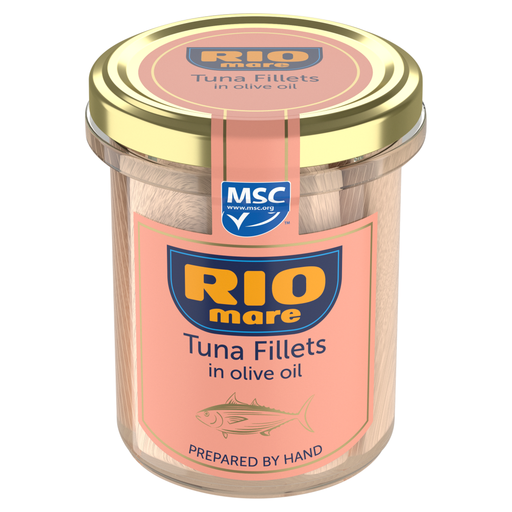 Image unavailable
The fillet format is worth considering when tuna will have its own place on the breakfast plate. This 180g glass jar contains tuna in olive oil; check the label if serving instructions or product-specific sourcing claims matter to your choice.
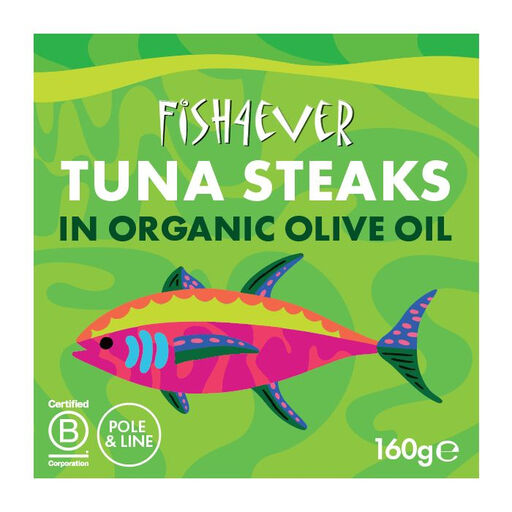 Image unavailable
Consider these steaks when you want tuna served visibly beside the other breakfast items and olive oil fits your flavour preference. The product is labelled 160g; check its serving instructions and pack information if preparation or the organic olive oil claim is decisive.
Tuna is better treated as an optional addition. Live Breathe Scotland's description of a full Scottish breakfast highlights items including Lorne sausage, haggis, black pudding and tattie scones rather than tuna.
Choose a steak or fillet format if you want to serve identifiable pieces separately on the plate; chunks make more sense when the tuna will be mixed into eggs, beans or another item. Check the cut on the exact pack instead of treating premium wording as a description of its contents.
NHS pregnancy guidance says to eat no more than four cans or two tuna steaks a week. Count tuna eaten at other meals as well as at breakfast when following that guidance.
Follow the instructions on the particular tin or pot for refrigeration and how soon to eat the contents. Food Standards Scotland also notes that best-before dates rely on food being stored as the label directs.