
24/7 Customer Support

Free returns

Same-day & Next-day Delivery

Quality Guaranteed

Unlock Your Welcome Offers: FREE Delivery | Up to 80% OFF | Free 30-day JoyPlus trial
Download the APP
Buying scrapbooking cutting dies can make personalised cards, photo albums and invitations more distinctive, but product listings often leave out details that matter at the craft table. A low price may look appealing until a die is too large for your machine, a delicate design is difficult to release, or a set creates an embossed impression when you expected a clean cut.
This guide explains the practical points to check before buying metal cutting dies, card making dies and related paper craft dies in the UK.
Most metal cutting dies are designed to pass through a compatible manual or electronic die-cutting machine, but machines differ in platform size, roller pressure and recommended material layers. A listing that says “for scrapbooking” does not automatically confirm compatibility.
Check:
If the dimensions are not clearly stated, contact the seller before ordering rather than relying on the product photograph.
A cutting die separates a shape from paper. An embossing die or embossing folder creates a raised or pressed pattern, while die-cutting stencils may be intended for ink, paint or texture rather than a full cut.
Some listings combine these terms because one metal design may support more than one technique. Read the title and description carefully to see whether you are buying:
This distinction is particularly important when buying flower cutting dies, butterfly cutting dies or intricate border cutting dies.
Fine lace, lettering and botanical patterns can look attractive online but may require more patience during removal. Small internal sections can remain attached to the paper, especially when using heavier card or a blunt cutting plate.
For beginners, simple silhouettes and medium-detail designs are generally easier to position and release. For experienced card makers, layered blossoms, wedding cutting dies and detailed backgrounds can add depth, provided the machine and materials are suitable.
Many scrapbooking cutting dies use thin metal, allowing the cutting edge to create a defined outline when pressure is applied. Look for a clearly described metal construction and an even, flat shape. Avoid listings that do not show the complete die or provide enough detail to identify the cutting edge.
A smooth finish can make cleaning paper fibres easier, but it does not guarantee that every paper type will cut in one pass. Keep a spare piece of card nearby for testing the correct plate arrangement.
Measure the finished design, not just the outer packaging. A small motif may suit a greeting card, while a larger background die may be more appropriate for scrapbook album decorations or a full-page photo layout.
Before buying, consider:
A border cutting die can frame a page or invitation, while smaller decorative shapes are useful for filling empty areas without covering important photographs.
Check whether the listing refers to paper, card, vellum, adhesive sheets or other craft materials. Not every die is suitable for fabric, foam or thick board. Using unsuitable materials may damage the die or your machine.
For UK craft projects, also consider the finished item’s purpose. Wedding stationery may need repeated, consistent cuts, whereas a family scrapbook can accommodate more variation. If using embellishments, glitter or small pieces, follow the product warnings and keep loose components away from young children.
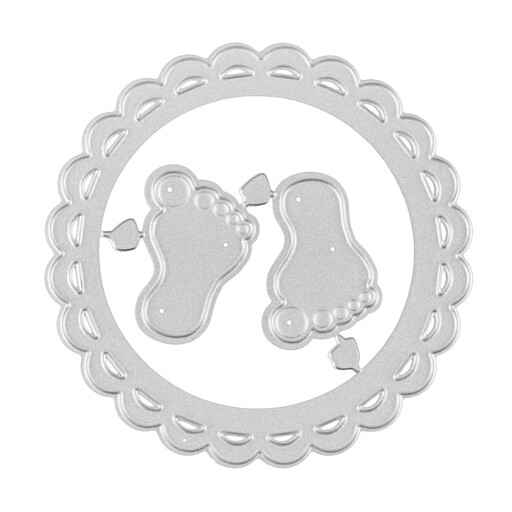
Why This Fits Their Persona: A focused baby-themed motif suits occasional makers creating new-baby cards, album pages or keepsakes without buying a large themed collection.
The product title identifies it as a metal cutting and embossing paper die, helping shoppers distinguish it from a stamp-only product.
Baby-themed design; listed for card making, scrapbooking and DIY album projects.
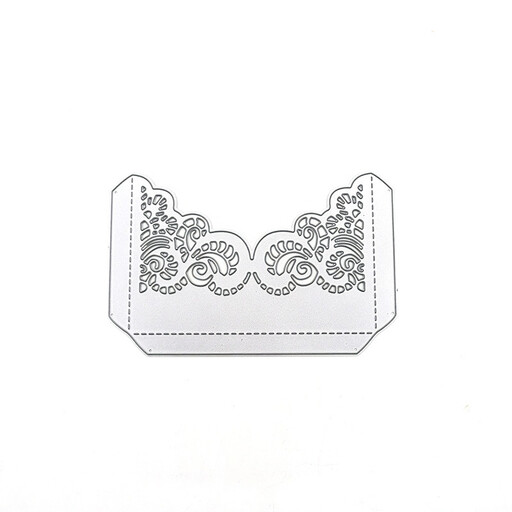
Why This Fits Their Persona: Makers planning coordinated invitations or formal stationery can use lace, flower and border elements to build a consistent paper design.
Its title describes a set and identifies the intended wedding invitation, lace, flower and border applications rather than suggesting a single generic shape.
Multiple decorative themes; suitable for wedding invitations, albums and embossing projects.
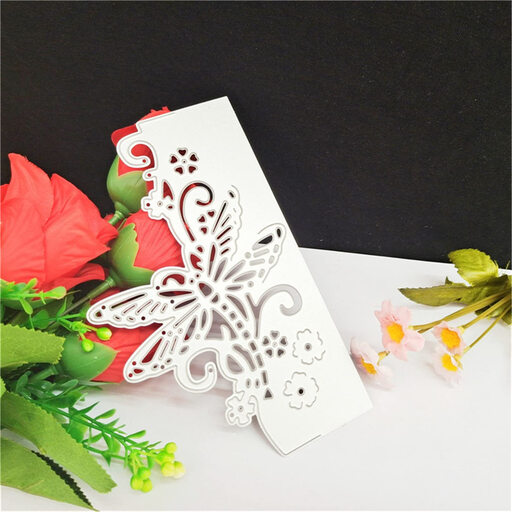
Why This Fits Their Persona: Regular card makers preparing seasonal batches can select a Christmas-focused design for repeated festive cards and DIY album décor.
The seasonal purpose is stated clearly, so buyers are less likely to mistake a Christmas design for an all-purpose background die.
Christmas theme; listed for card making, paper craft, embossing and scrapbook decoration.
Build a small collection around your typical projects rather than buying unrelated designs. Flower metal cutting dies and leaf dies can be layered for botanical cards, while butterfly designs work well as accents on photo album pages. For stamped detail, a clear stamp and die set can combine an outline image with a matching cut shape.
For formal projects, pair wedding cutting dies with a border design and plain card blanks. Seasonal makers may prefer Christmas cutting dies, snowflake motifs or festive background patterns. A photo album craft supplies collection can also include a scrapbook album, adhesive, patterned paper, corner decorations and journalling cards.
When using several dies together, test the arrangement on scrap paper first. This helps you check spacing, colour contrast and whether the finished design leaves enough room for a message or photograph.
We have compiled a complete, real-time list of products that fully satisfy these strict selection criteria and UK safety regulations.
No. Compatibility depends on the machine’s platform dimensions, roller pressure and plate system. Check the die measurements and your machine’s instructions before purchasing. If the listing does not provide dimensions, ask for them.
Lifespan varies according to the metal, design detail, paper type, machine pressure and storage. Keep dies dry, avoid forcing unsuitable materials through the machine and store intricate shapes flat. If a die begins producing incomplete cuts, review the plate arrangement before assuming it is worn out.
The die itself is a one-off purchase, but ongoing costs include paper, card, adhesive, replacement cutting plates and electricity for your machine. Manual machines do not require mains power during cutting, while electronic models may use power for longer cutting sessions. Testing on inexpensive paper can reduce material waste.