
24/7 Customer Support

Free returns

Same-day & Next-day Delivery

Quality Guaranteed

Unlock Your Welcome Offers: FREE Delivery | Up to 80% OFF | Free 30-day JoyPlus trial
Download the APP
Scrapbooking cutting dies can turn plain paper into layered borders, lettering, leaves and decorative motifs in seconds. However, the product image rarely tells the whole story. A die may look versatile online but prove unsuitable for your machine, too delicate for repeated use or too intricate for the paper you already have at home.
This guide explains what to check before buying scrapbooking cutting dies, with practical recommendations for card makers, scrapbookers, teachers, parents and DIY crafters in the UK.
Metal die cuts are generally used with a compatible manual or electronic die-cutting system, but machine compatibility varies. Cutting platforms differ in width, roller pressure and recommended sandwich layers. A die that works with one system may not cut properly in another.
Before ordering, check:
A listing described as an embossing stencil may not include a machine, plates or paper.
Some products are designed to cut through paper, while others create a raised or pressed pattern. Certain metal die cuts can do both, but this depends on the die construction and your machine setup.
Read the title carefully for terms such as cutting dies, embossing stencils, die-cutting template or background embossing. If you want a shape that separates cleanly from the paper, look for cutting functionality. If you want texture without removing the paper, an embossing stencil may be more suitable.
Very fine details can create attractive scrapbook album decorations, but intricate designs may need slower handling, suitable cardstock and careful removal from the die. Small pieces can also be easy to lose.
For regular family crafting, card-making workshops or classroom use, a balanced selection of leaves, alphabet cutting dies and simple borders may offer more practical value than a single highly detailed pattern.
Most metal die cuts use thin shaped metal fixed to a backing. Look for a clearly stated metal construction and check whether the product is described as a cutting die, embossing stencil or combined tool. A flat, clean cutting edge is important for producing defined shapes without excessive tearing.
Product titles may use terms such as “durable”, but this should not be treated as a guarantee of lifespan. Storage, machine pressure, paper thickness and frequency of use all affect performance.
Check the dimensions where provided, particularly if you are making:
For card-making dies, consider whether the design will fit the front panel without trimming. Border cutting dies are useful when you want a repeatable edge, while leaf dies and floral motifs can be layered across larger scrapbook pages.
Thin paper, patterned scrapbook sheets and heavier cardstock behave differently. Test a small piece before making a full design, especially when using detailed metal die cuts. Consider whether you want a clean cut, an embossed impression or both.
For children or group activities, avoid assuming that a metal die is a complete craft kit. Adult supervision may be appropriate when using manual machines, sharp-edged tools or small decorative pieces.
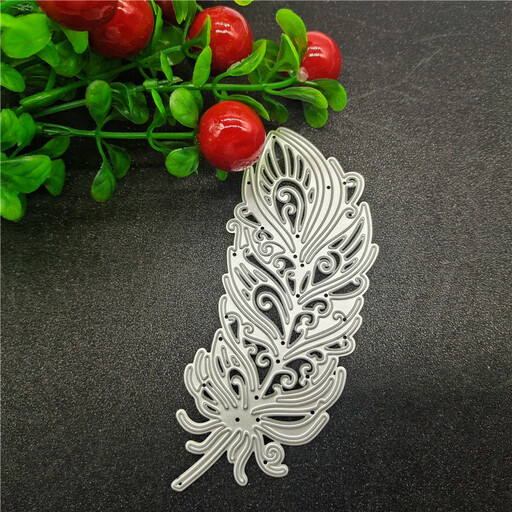
Why This Fits Their Persona: Leaf motifs are easy to combine with photographs, seasonal layouts and simple card fronts, giving new crafters a flexible starting point for different projects.
The recognisable leaf design avoids committing to a highly specialised occasion or lettering set before you know which crafts you enjoy.
Leaf-themed metal cutting die; suitable for scrapbook pages, paper cards and album decoration.

Why This Fits Their Persona: Crafters who prioritise consistent personalised details can use the capital-letter set for names, greetings, headings and decorative words.
The listed contents are specific: 26 capital letters and 10 numbers. This makes it easier to check whether the set matches your lettering needs before purchase.
Includes 26 capital letters and 10 numbers; listed for scrapbooking, card making, paper crafts and album decoration.
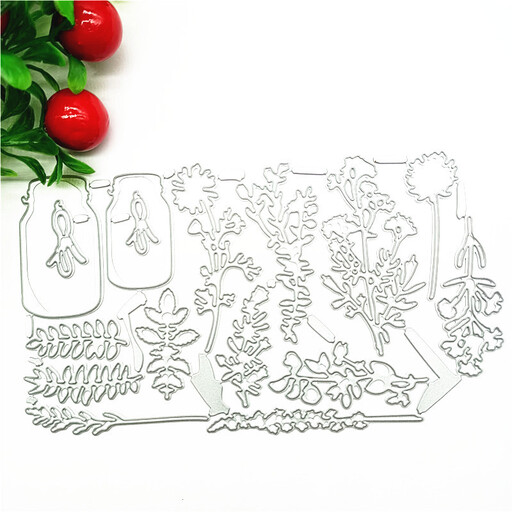
Why This Fits Their Persona: Frequent scrapbookers and card makers who repeat layouts may prefer a border-focused tool for framing pages, panels and photo sections.
A border-specific design has a clear role, helping you avoid buying a decorative shape that cannot be reused across larger layouts.
Border-cutting format; described for photo albums, decorative embossing, paper dies and card-making templates.
We have compiled a complete, real-time list of products that fully satisfy these strict selection criteria and UK safety regulations.
For seasonal crafting, the Christmas metal cutting dies listing may suit festive cards and scrapbook pages. For floral projects, Blossoms in Bloom cutting dies are listed as cutting dies only, so check the contents before ordering.
If you need a general decorative shape, the Silver Box cutting dies and embossing stencils may be worth comparing with the DIY scrapbooking embossing paper card dies. Always confirm whether the product includes one design, a set or any additional stamps.
No. Compatibility depends on the machine’s platform, roller pressure, plate arrangement and the die’s thickness. Check the machine manufacturer’s instructions and the product listing before buying. Do not force a die through a machine if the recommended sandwich is unclear.
There is no universal lifespan. Occasional paper use may place less stress on a die than frequent cutting of heavy cardstock. Keeping dies flat, dry and free from adhesive residue can help maintain their condition. Store small dies in labelled pockets or magnetic sheets to prevent loss.
The die itself has no electricity requirement, but a manual or electronic cutting machine may involve an initial purchase and replacement plates or accessories over time. You will also need paper or cardstock, adhesive and storage. Buying designs that suit several projects can reduce waste and make your DIY card-making supplies more practical.