
24/7 Customer Support

Free returns

Same-day & Next-day Delivery

Quality Guaranteed

Unlock Your Welcome Offers: FREE Delivery | Up to 80% OFF | Free 30-day JoyPlus trial
Download the APP
Choosing scrapbooking and card making cutting tools can quickly become confusing. Product listings often combine terms such as metal cutting dies, embossing stencils and die cutting templates, even though each item may produce a different result. A low-priced set can also become poor value if it is incompatible with your machine or too small for the projects you make most often.
Before buying, look beyond decorative product photographs and check three practical points: machine compatibility, the intended material and the tool’s actual dimensions. This guide explains what to consider, then matches a selection of products to different crafting profiles.
Metal dies require a compatible manual die-cutting or embossing machine, along with the correct cutting plates and sandwich arrangement. A listing may describe a die as suitable for card making, but that does not confirm compatibility with your particular machine. Check the manufacturer’s instructions for accepted die thicknesses and maximum working area before ordering.
Some products are described as both cutting dies and embossing stencils. A cutting die is designed to separate a shape from paper or card, while an embossing stencil or embossing folder creates a raised or recessed pattern. Some thin dies may support both functions when used with the correct plate or shim, but this depends on the tool and machine. Read the product specification rather than relying on the title alone.
A flower, alphabet or border design may look substantial in a product image but be much smaller in person. Dimensions matter when creating scrapbook titles, card fronts or layered decorations. Also check whether the set includes multiple pieces that need a storage wallet or magnetic sheet. Loose alphabet cutting dies and small paper craft dies can be easy to misplace.
Carbon steel or other steel cutting dies are commonly used for paper and card projects. Fine details may create attractive results, but intricate designs can require careful removal of small paper pieces. For beginners, designs with wider openings and fewer delicate sections are generally easier to handle.
Check whether the product is intended for paper, cardstock, vellum, fabric or other materials. A paper cutting die should not automatically be used on thick leather or multiple layers of fabric. If you need textile versatility, a dedicated rotary cutter is usually more appropriate.
Look for the die’s dimensions, number of pieces and design type. Alphabet die sets are useful for names and greetings, while flower cutting dies can create layered embellishments. Border cutting dies suit card edges and scrapbook panels, and frame cutting dies help create windows or mounted focal areas.
For repeated projects, nesting frame sets can offer several graduated sizes. A single detailed design may be more suitable if you want a particular motif without buying a large collection.
For a rotary cutter for crafts, check blade diameter, locking features and handle design. A 45mm blade can support both detailed work and longer cuts, but it still requires a suitable self-healing cutting mat and a ruler for straight lines.
A cordless electric paper cutter can reduce the hand movement needed for repeated cutting. However, rechargeable tools have operating and charging requirements. Keep sharp blades covered or locked when stored, keep fingers away from the blade path and follow the supplied charging instructions. A fabric and leather rotary cutter should only be used on materials within its stated capacity.
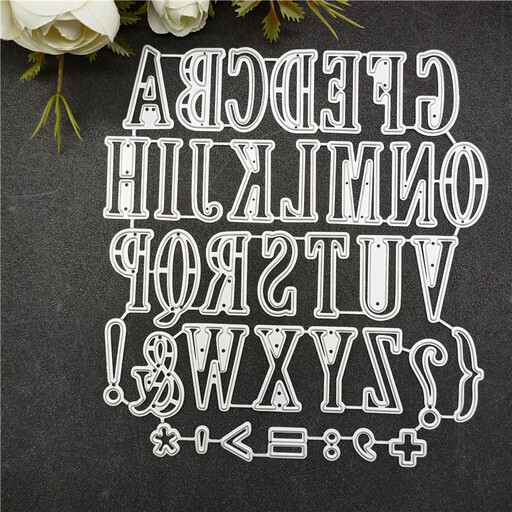
Why This Fits Their Persona: A practical starting point for UK card makers who want personalised greetings, names and scrapbook titles from one alphabet set.
The listing identifies 26 capital letter dies, making the set contents clearer than a generic decorative assortment.
Includes capital letters and is listed for scrapbooking, card making and paper crafts.
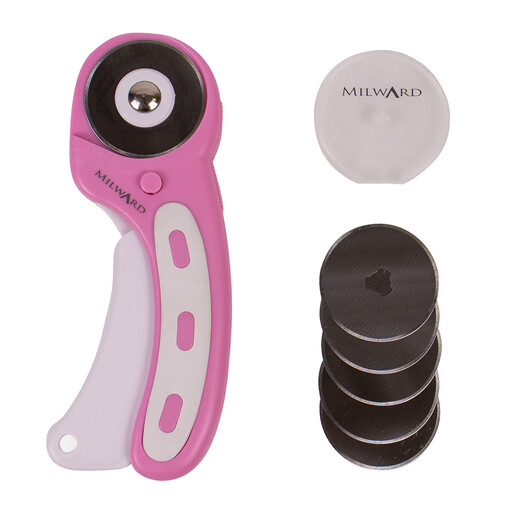
Why This Fits Their Persona: Suitable for makers who move between quilting, sewing, paper crafts and leather projects and want spare blades included.
The 45mm blade size and five spare blades are specified, reducing uncertainty about replacement requirements.
Features a safety button, soft-grip handle and stated suitability for fabric, paper, leather and craft materials.
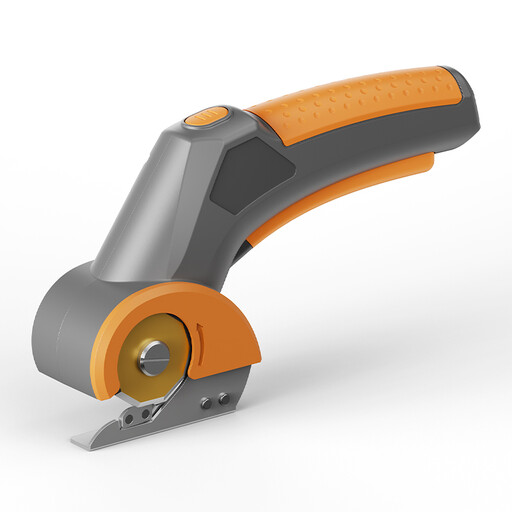
Why This Fits Their Persona: A cordless option for frequent cutting across paper, corrugated cardboard, carpet, leather, felt and plastic.
The stated 4V battery, USB-C charging and up to two hours of continuous use provide useful operating information.
Includes a dust bag and spare blade, with a stated lightweight design and safety lock.
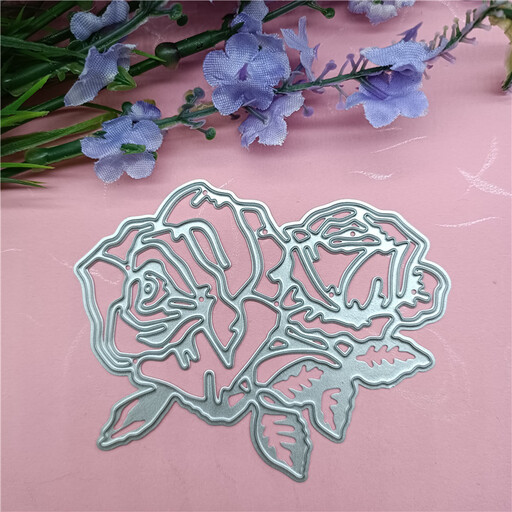
Why This Fits Their Persona: Designed around rose-flower motifs for handmade cards, scrapbook pages and decorative paper layering.
The product is clearly presented as a rose-flower metal die and embossing stencil rather than an unspecified mixed bundle.
A themed design for card making, photo decoration and scrapbooking projects.
We have compiled a complete, real-time list of products that fully satisfy these strict selection criteria and UK safety regulations.
Usually, yes. Most metal cutting dies require a compatible manual die-cutting or embossing machine, cutting plates and sometimes shims. Confirm the machine’s supported die types before purchase, particularly for thicker card or intricate paper craft dies.
They can be useful for trimming paper, card and larger sheets, especially when paired with a cutting mat and ruler. For small motifs, lettering and decorative edges, metal cutting dies may offer more suitable shapes. Always use the correct blade setting and keep the safety lock engaged when the cutter is stored.
Lifespan depends on usage, material and maintenance. Cutting dies should be kept dry and free from adhesive residue. Rotary cutter blades gradually become less effective, especially when used on abrasive materials, so spare blades or replacements should be considered. Rechargeable cutters also need correct charging and dry storage to support continued use.