
24/7 Customer Support

Free returns

Same-day & Next-day Delivery

Quality Guaranteed

Unlock Your Welcome Offers: FREE Delivery | Up to 80% OFF | Free 30-day JoyPlus trial
Download the APP
Creating a personalised scrapbook or a heartfelt greeting card is a rewarding process. It’s about turning memories and sentiments into something tangible and beautiful. For many UK craft enthusiasts, the key to elevating these projects lies in the details. The right tools can transform a simple piece of cardstock into an intricate work of art, and that's where scrapbooking die cuts come in.
With so many options available, from delicate floral patterns to bold sentiments, choosing the right ones can feel overwhelming. This guide is designed to help you navigate the world of metal cutting dies for card making and other papercrafts. We will offer some practical advice on what to look for and share a few recommendations to help you find the perfect additions to your crafting kit.
Before adding to your collection of papercraft supplies, it's helpful to consider a few key factors. Keeping these points in mind will ensure your new tools are a perfect fit for your creative style and existing equipment.
Most metal cutting dies are designed to be compatible with a wide range of manual die-cutting machines available on the market. However, it is always a good practice to confirm that the dies you are interested in will work with your specific machine. The pressure and platform "sandwich" can vary, so a quick check of the die's specifications can save you from any potential disappointment.
The majority of craft die cuts are made from carbon steel, a material known for its durability and ability to hold a sharp edge for clean, precise cuts. The intricacy of the design is another important consideration. Highly detailed dies, such as elaborate flower frame dies, can produce stunning results but may require a bit more care when separating the cut paper from the metal. Using a piercing tool or a specialised brush can make this process much easier.
Many DIY scrapbooking tools offer more than one function. Some metal dies can also be used as embossing stencils. By swapping out your cutting plates for an embossing mat and rubber sheet (as per your machine's instructions), you can press the design into the paper instead of cutting it out. This dual functionality adds incredible value and versatility to your collection, allowing you to create a wider range of effects with a single tool.
Here are a few recommendations that stand out for their design and versatility, suitable for a range of papercraft projects.
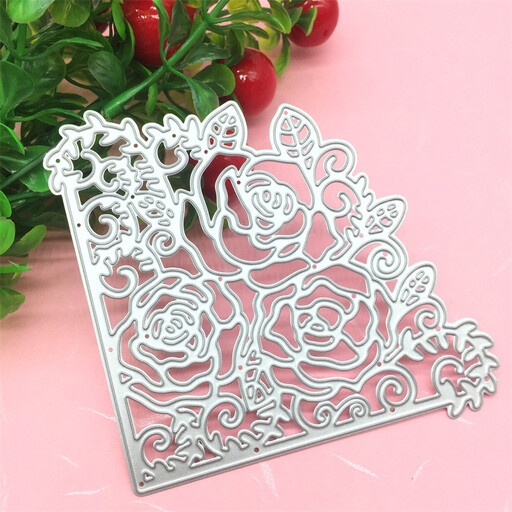
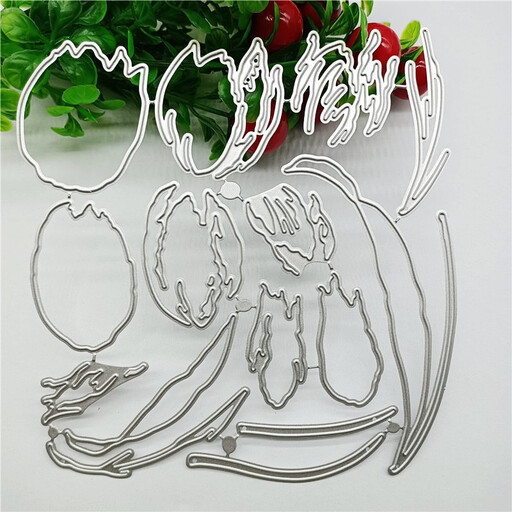
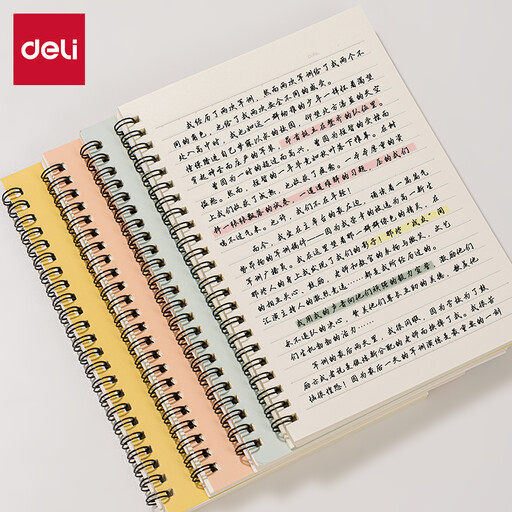
If our recommendations aren't quite what you're looking for, or if you're simply browsing for more creative ideas, our broader collection of papercraft supplies might have the perfect item. Explore our full range of design books and tools to find your next project.
Die cutting uses a metal die to cut a specific shape out of paper, cardstock or other thin materials. Embossing, on the other hand, uses a die or folder to create a raised or recessed pattern on the material without cutting through it. Many metal cutting dies can be used for both processes by using different plates and mats in your die-cutting machine.
For the cleanest and most precise results, a compatible die-cutting machine is strongly recommended. These machines provide the uniform and firm pressure needed to cut through paper cleanly, especially with intricate designs. While some crafters attempt manual methods for very simple shapes, a machine is essential for achieving a professional finish with detailed scrapbooking die cuts.
Proper storage will protect your investment and keep your workspace organised. Many crafters use magnetic sheets placed inside folders or storage boxes. This keeps the dies securely in place, prevents them from getting bent or lost and allows you to see your entire collection at a glance, making it easier to find the perfect die for your next project.