
24/7 Customer Support

Free returns

Same-day & Next-day Delivery

Quality Guaranteed

Unlock Your Welcome Offers: FREE Delivery | Up to 80% OFF | Free 30-day JoyPlus trial
Download the APP
Scrapbooking metal cutting dies can turn plain card, patterned paper and album pages into layered frames, borders and decorative motifs. However, attractive product images do not always tell you whether a die will suit your machine, fit your project or provide useful shapes beyond one occasion.
Before buying scrapbooking metal cutting dies, watch for three common pitfalls:
A little specification checking helps you choose card-making cutting dies that are practical for regular use rather than simply attractive in a listing.
Measure the largest area you plan to cut and compare it with the die dimensions. A small frame may suit greeting cards, while a larger background die could be more useful for scrapbook album pages.
Also check the opening and platform size of your die-cutting machine. Most manual machines use a sandwich of plates, a cutting platform and the die, but the required combination varies by model. Do not force a die through the machine if the sandwich feels unusually tight, as this may damage plates or the machine.
For beginners, compact paper craft dies and border designs are often easier to position. Larger metal frame dies require more careful alignment but can create a consistent page structure.
Material descriptions can help indicate how a die is intended to perform. One listed option, the Big Tree Metal Die Cuts, specifically identifies carbon steel. Other listings may describe the item only as metal, so check the product page for current material and size information before ordering.
Very fine patterns can create detailed lace, foliage or lettering effects, but they may need:
For embossed texture, confirm whether the item is a cutting die, an embossing die or a stencil. These terms are not interchangeable. Embossing dies shape or raise a design, whereas cutting dies create an outline or aperture. Scrapbooking stencils usually guide ink, paste or paint and may not be designed for use inside a die-cutting machine.
Read whether the listing includes one die, a collection of coordinated shapes or “only cutting dies”. This is particularly important when product images show clear stamps, sample cards or embellishments that are not included.
Match the shape to your regular projects:
You may also wish to compare dies with paper craft punches, which can be quicker for simple shapes but generally offer less flexibility in placement and pattern size.
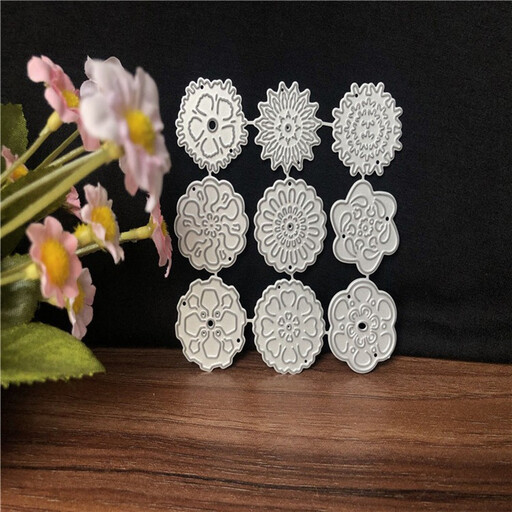
Why This Fits Their Persona: A practical starting point for crafters building a basic collection for cards, paper projects and album decoration without committing to a highly specialised motif.
The product title identifies card-making, background embossing and album décor uses, helping buyers assess the design category before ordering.
Versatile description; suitable for several paper-crafting formats and DIY album décor.
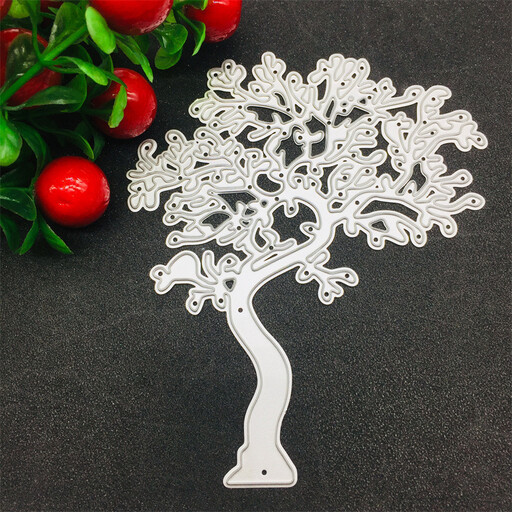
Why This Fits Their Persona: Suitable for scrapbookers who want a clearly identified material and a strong focal motif for family albums, nature pages or handmade cards.
Its listing specifically states carbon steel, reducing uncertainty around the advertised material compared with descriptions that simply say “metal”.
Carbon steel is stated in the product name; tree motif suits layered scrapbook album decorations.
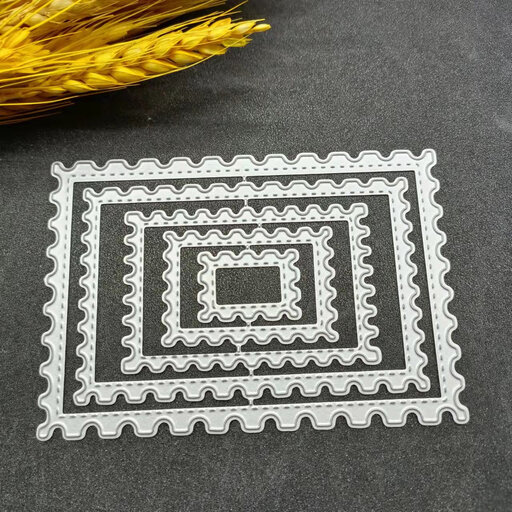
Why This Fits Their Persona: A considered option for frequent card makers and scrapbookers who repeatedly need framed photo mats, journalling panels and shaped borders.
The listing identifies wave-edge and postage-stamp frame shapes, making the intended use clearer than an unspecified decorative die.
Frame formats can be reused across cards and albums; combines embossing-stencil and frame-die terminology.
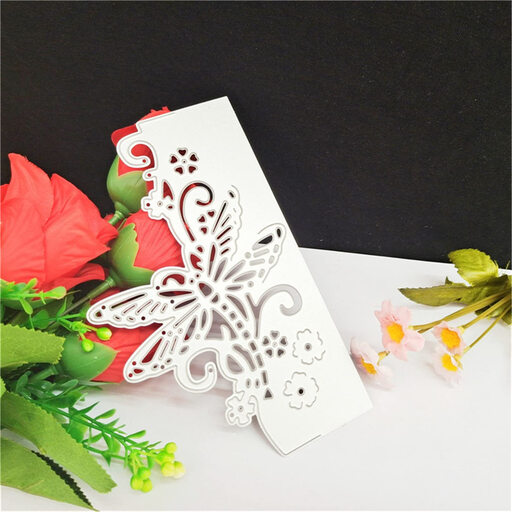
Why This Fits Their Persona: A focused choice for handmade-greeting-card creators preparing festive cards, tags and seasonal scrapbook pages.
The Christmas designation sets a clear use case, so shoppers can judge whether the design will justify seasonal storage between projects.
Clearly aimed at Christmas card making; can support festive album décor and paper embellishments.
We have compiled a complete, real-time list of products that fully satisfy these strict selection criteria and UK safety regulations.
Use fresh or lightly textured card when learning a new design. Place the paper on the cutting side of the die and keep the layers flat. If a detailed die leaves uncut areas, check the machine’s recommended sandwich before increasing pressure.
Store dies dry and flat, ideally in magnetic folders or labelled sleeves. Remove paper fibres promptly and avoid bending thin dies. For die-cutting machine accessories, a spare cutting plate, release paper and a small poking tool can make intricate designs easier to manage.
When comparing greeting card-making supplies, calculate value by likely use rather than the number of shapes alone. A frame, border or flower pattern used across several albums may be more practical than a larger set containing motifs that do not match your usual themes.
No. Compatibility depends on the machine’s platform, plate arrangement, die thickness and cutting area. Check the manufacturer’s guidance and the product listing before purchase. If dimensions are missing, contact the seller rather than guessing.
Lifespan depends on material, paper thickness, cutting pressure, storage and frequency of use. Keeping dies clean, dry and flat can help prevent rust, warping and loss of detail. Avoid forcing unsuitable materials through the machine.
It depends on the project. A punch can be convenient for repeated basic shapes, while metal dies offer more varied outlines, frames and layered designs. For regular card making or scrapbook layouts, choose the format that matches the shapes you use most often.