
24/7 全天候客户支持

免费退货

当日/次日达

品质保障

开启新人专享福利: 全场免邮 | 低至 2 折 | 免费试用 30 天 JoyPlus 会员
下载 Joybuy
Choosing scrapbooking and paper craft supplies can feel straightforward until you discover that a die does not fit your machine, adhesive damages your paper, or sanding sheets wear through halfway through a renovation task. Product listings often focus on appearance and quantity, while the details that affect everyday use are easy to miss.
This guide explains the key specifications to check, common buying traps and suitable options for beginners, scrapbookers, card makers and DIY users in the UK.
A detailed floral pattern or Christmas motif may look appealing, but metal cutting dies for card making require a compatible die-cutting and embossing machine. Check the product dimensions, die format and machine compatibility before ordering. Some listings use terms such as “universal” without clearly stating which machines or platforms are supported.
A die that is too large, too intricate or unsuitable for your machine may produce incomplete cuts or put unnecessary pressure on the rollers.
A large pack is not automatically good value. A set may contain many similar shapes, colours or grit grades that do not match your projects. For paper crafting, consider whether the pack includes useful motifs such as borders, backgrounds, flowers or lettering. For sanding, check the balance of coarse and fine grades rather than looking only at the piece count.
Adhesive, chalk markers and paper all behave differently on coated, porous and textured surfaces. Bostik removable glue dots, for example, are intended for controlled placement of small embellishments, but removable performance can vary depending on the surface, pressure and item weight. Chalk markers are generally easier to wipe from non-porous surfaces; porous materials may absorb the ink and leave marks.
Always follow the product instructions and try a small test area first.
For scrapbooking die cuts and embossing templates, look for:
Intricate designs can create attractive layers, but they may need careful paper removal. Thin paper, wax paper or a suitable release sheet can sometimes make detailed shapes easier to separate, provided this is compatible with your machine and materials.
For DIY card making supplies, paper weight affects folding, layering and adhesive performance. Lightweight paper is useful for die-cut details and backgrounds, while heavier card is more suitable for card bases and album covers. Check whether the paper is smooth, textured, coated or porous before choosing markers and glue.
If you use alcohol markers, a dedicated marker pad can help reduce unwanted feathering. Keep wet media away from scrapbook pages until the adhesive and ink are fully dry.
For sanding accessories, grit determines how aggressively material is removed:
The backing and attachment system also matter. Hook-and-loop sanding sheets need to match the sander pad dimensions, while the holes should align with the machine’s dust extraction ports. A mismatch can reduce dust collection and cause the sheet to lift during use.
Wear suitable eye and respiratory protection when sanding, particularly indoors or when working with painted surfaces.
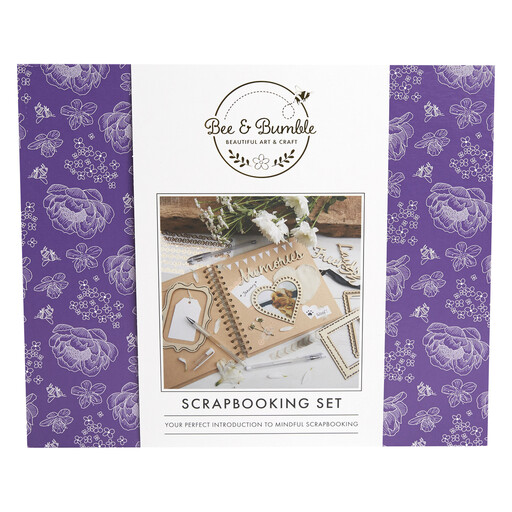
Why This Fits Their Persona: A practical starting point for UK beginners, gift shoppers and families wanting several basic materials in one scrapbook project.
It provides a scrapbook, embellishments, pens, tape, tags and glue stick, reducing the need to buy every basic item separately.
Includes an 8 x 8-inch, 40-page spiral-bound scrapbook, metallic gel pens, wooden frames and patterned tape.
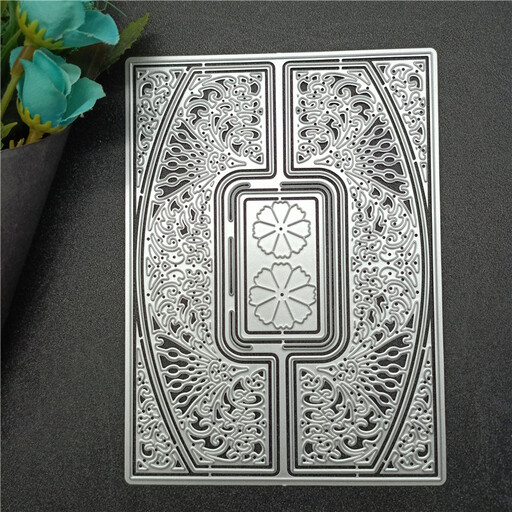
Why This Fits Their Persona: Suited to crafters who want repeatable floral borders and framework designs for layered cards, albums and paper projects.
The listing identifies it as a metal cutting die and embossing paper die-cut set, helping distinguish it from a stencil-only product.
Flower framework designs support borders, focal panels and layered card compositions.
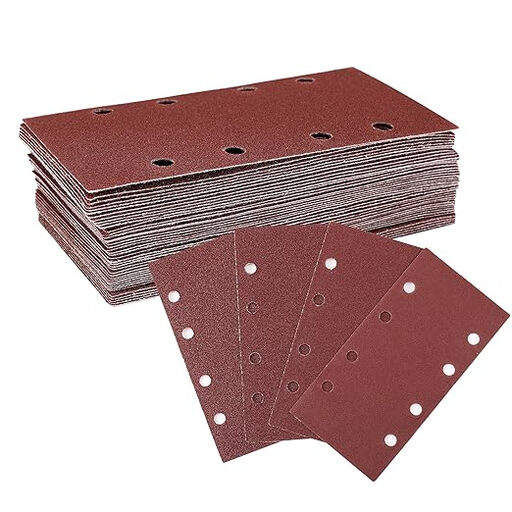
Why This Fits Their Persona: A practical choice for home renovation users handling wood, metal, paint and surface preparation with compatible orbital or multi-sanders.
The set states its 93 x 185mm size, hook-and-loop backing and 8-hole layout, so buyers can compare it with their sander before purchase.
Includes 100 sheets across 40, 60, 80 and 120 grit, with aluminium oxide abrasive and cloth backing.
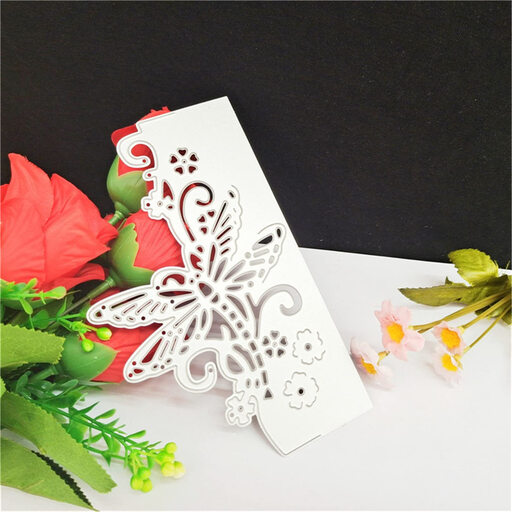
Why This Fits Their Persona: Useful for makers preparing personalised Christmas cards, gift tags and seasonal scrapbook album decorations.
The product is specifically described as Christmas cutting dies with embossing stencil and card-making uses, rather than a generic decorative template.
Supports repeatable seasonal motifs for cards, paper layers and album decoration.
We have compiled a complete, real-time list of products that fully satisfy these strict selection criteria and UK safety regulations.
Small accessories can make paper projects easier to assemble. Removable glue dots are suitable for positioning lightweight embellishments such as sequins, beads and paper shapes without liquid glue strings. For temporary displays, wet-erase chalk markers can be used on non-porous boards, windows and glass, then wiped with a damp cloth. Keep the caps fitted when not in use and avoid porous surfaces if easy removal is important.
For floral designs, compare floral cutting dies, flower stencils and layered embossing templates according to the finish you want. A cutting die creates a separated shape, whereas a stencil transfers a pattern or allows ink application through an opening.
Start with an album or scrapbook, acid-safe or project-suitable paper, scissors, adhesive, a ruler, pens and a small selection of embellishments. Add scrapbooking die cuts after deciding whether you want floral, seasonal, wedding or geometric designs. A modest range is easier to organise and reduces unused materials.
They are generally more suitable for non-porous surfaces such as glass, windows, whiteboards and chalkboards. On porous scrapbook paper, the ink may absorb and become difficult to remove. Test the marker on a spare piece of the same paper before using it on a finished page.
Lifespan depends on the material, pressure, dust extraction and grit. Coarse sheets may clog or wear faster during paint or adhesive removal. Replace a sheet when the abrasive surface is clogged, uneven or no longer removing material efficiently. Use the correct grit sequence rather than applying excessive pressure.