
24/7 全天候客户支持

免费退货

当日/次日达

品质保障

开启新人专享福利: 全场免邮 | 低至 2 折 | 免费试用 30 天 JoyPlus 会员
下载 Joybuy
Choosing scrapbooking and paper craft supplies can quickly become confusing. Listings often combine terms such as metal cutting dies, embossing stencils, stamps and templates, even when the set contains only one component. A low-priced purchase may also become poor value if it does not fit your cutting machine, uses unsuitable paper or lacks a practical storage solution.
This guide focuses on the details that matter for UK scrapbookers, card makers, students, teachers, gardeners, artists and anyone building a creative stationery collection.
Metal cutting dies generally require a compatible manual or electronic die-cutting machine, cutting plates and the correct sandwich arrangement. Product listings may not always state compatibility clearly. Before ordering, check the die size, machine instructions and whether the item is a cutting die, an embossing folder, a stencil or a combined set.
A die described as a “template” may not include a cutting machine or paper. Factor in these additional costs before comparing prices.
A large alphabet cutting dies set may sound useful, but check whether it contains 26 letters, numbers, punctuation or duplicate letters. For frequent card making, commonly used letters may be needed several times. Similarly, a pack of scrapbook die-cuts may contain decorative shapes but no blank cards, adhesive or backing paper.
Look for a clear contents list rather than relying on promotional images alone.
Paper that is too light may curl when painted or become difficult to handle with wet media. Conversely, heavyweight card can be unsuitable for some punches and dies. Storage is another overlooked issue: loose dies, stamps and paper craft templates can become difficult to identify and easy to misplace.
For ongoing projects, consider storage pockets, dividers, project books or a dedicated craft organiser.
For repeated paper projects, look for clearly described metal cutting dies and confirm the intended use. Designs may include borders, flowers, leaves, lettering, seasonal motifs or background patterns. Check the product photographs for the actual shapes and compare their dimensions with your card blanks and scrapbook pages.
If you use both cutting and embossing, confirm whether the item is designed for both functions. Some products are cutting dies only, while others are described as embossing stencils or die-and-stamp combinations.
Paper weight is measured in gsm, or grams per square metre. Lightweight paper can suit layering, journalling and basic scrapbook die-cuts. Heavier paper is generally more suitable for watercolour, acrylic, pencils and pastels, provided the product description specifically supports those media.
The Ohuhu Mixed Media Sketchbook listed below has 200 gsm acid-free paper according to its product information, making the specification relevant to artists who use both wet and dry techniques. A project notebook with 80 gsm ruled pages, by contrast, is designed primarily for writing and organisation rather than painting.
A4 project books provide a practical size for documents, class notes, sketches and larger craft plans. A5 sketchbooks are easier to carry and suit quick ideas, garden notes or smaller studies. Check whether pages are ruled, plain, perforated or spiral-bound.
For scrapbook storage, also consider whether your chosen album or organiser can accommodate card blanks, adhesive sheets, die-cut pieces and embellishments without bending.
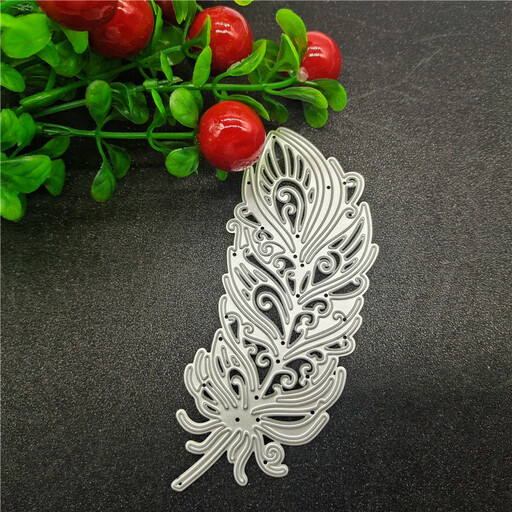
Why This Fits Their Persona: A focused leaf design gives beginners a straightforward way to add botanical details to cards, albums and paper craft projects without buying a large themed collection.
The product title identifies it as a metal cutting die and stencil, helping buyers distinguish the item from a complete die-cutting machine kit.
Leaf motif; suitable for scrapbook albums and paper cards when used with a compatible machine.
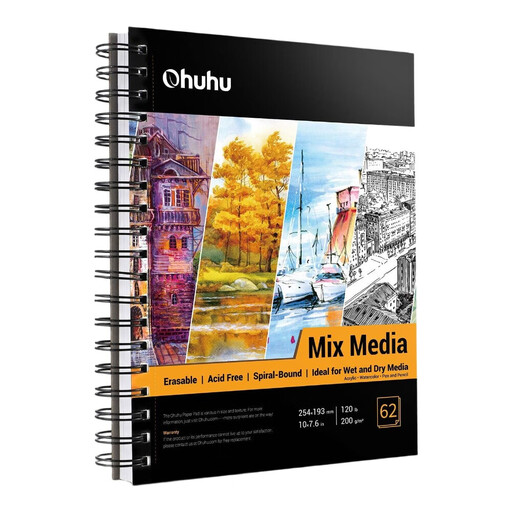
Why This Fits Their Persona: Artists and scrapbookers who combine drawing with painted backgrounds may value a larger paper specification and a portrait-format sketchbook.
The listing specifies 200 gsm, acid-free paper and support for watercolour, acrylic, pencils and pastels, rather than leaving media suitability unclear.
200 gsm paper; 124 pages, or 62 sheets; spiral-bound portrait format.
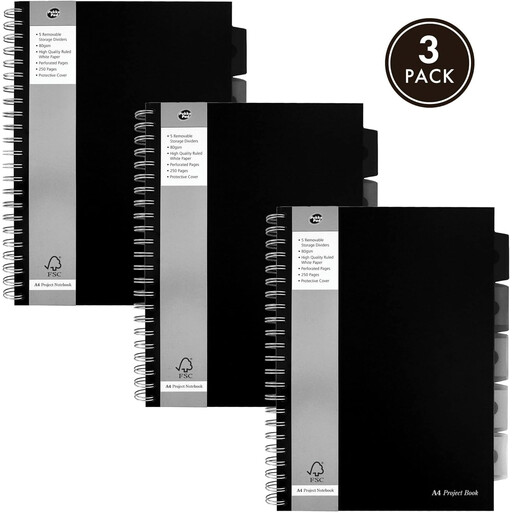
Why This Fits Their Persona: Teachers, students, office professionals and busy crafters can separate multiple projects, notes or design plans in one organised format.
Its listing provides page count, paper weight, line spacing, divider count and format, allowing a more meaningful comparison than cover colour alone.
Three A4 books; 250 pages per book; five repositionable dividers with storage pockets and perforated pages.
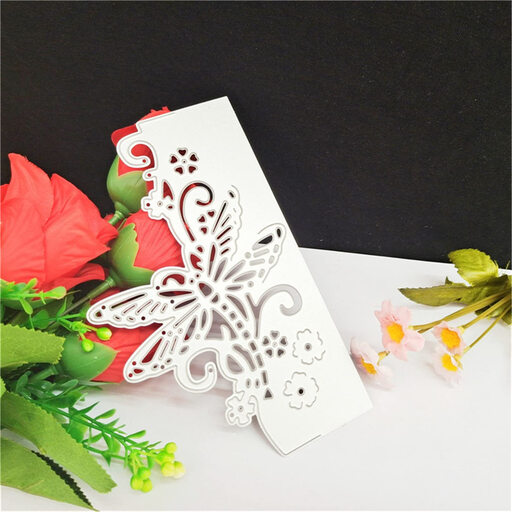
Why This Fits Their Persona: Crafters preparing Christmas cards, gift tags or seasonal DIY photo album decorations can choose a design theme suited to a specific occasion.
The title identifies Christmas use, metal cutting dies, background embossing stencils and a paper craft punch template, helping clarify the intended project type.
Seasonal design; intended for card making, scrapbooking and decorative paper projects.
We have compiled a complete, real-time list of products that fully satisfy these strict selection criteria and UK safety regulations.
Once the main item is selected, these supporting supplies can improve project planning:
For paper that will be stored long-term with photographs, check whether the product description identifies it as acid-free or suitable for archival use. Keep finished work away from damp, direct sunlight and excessive pressure.
Start with a suitable album or sketchbook, paper, scissors or a compatible cutting system, adhesive and a small selection of scrapbook die-cuts. A focused flower, leaf or border design can be more practical than buying a large mixed set before you know which projects you enjoy.
Metal cutting dies are generally designed to make repeated cuts, but their working life depends on the material being cut, machine pressure, storage and handling. Use the manufacturer’s recommended machine settings, avoid forcing unsuitable materials through the machine and store dies flat or in protective pockets.
The initial cost depends on whether you already own a die-cutting machine, paper trimmer and basic tools. Buying one project book or sketchbook and a small number of compatible dies can help spread spending over time. Always check whether listings contain only the decorative die or include additional stamps, folders and accessories.